 info@sweetrich.cn
  +86-(0)512-82283871
Content
- 1 How Does A Portable 3 Wheel Scooter Support Urban Short Trips?
- 2 Why Does Seat Padding Influence Body Pressure Distribution During Movement?
- 3 What Challenges Do Users Face Without Adequate Cushioning?
- 4 How Does Padded Seat Design Affect Posture Control On Uneven Surfaces?
- 5 What Materials Are Commonly Used In Scooter Seat Cushion Structures?
- 6 How Does Seating Design Interact With Handlebar Position And Riding Angle?
- 7 Why Is Heat And Pressure Build-Up A Concern During Repeated Short Trips?
- 8 How Can Seat Design Influence User Experience In Travel 3 Wheel Scooter Applications?
- 9 What Design Considerations Help Balance Portability And Seating Comfort?
- 10 How Does Repeated Short Trip Use Shape Seating Comfort Needs?
- 11 Why Does Surface Texture Matter As Much As Cushion Depth?
- 12 How Can Seating Design Support Different Short Trip Conditions?
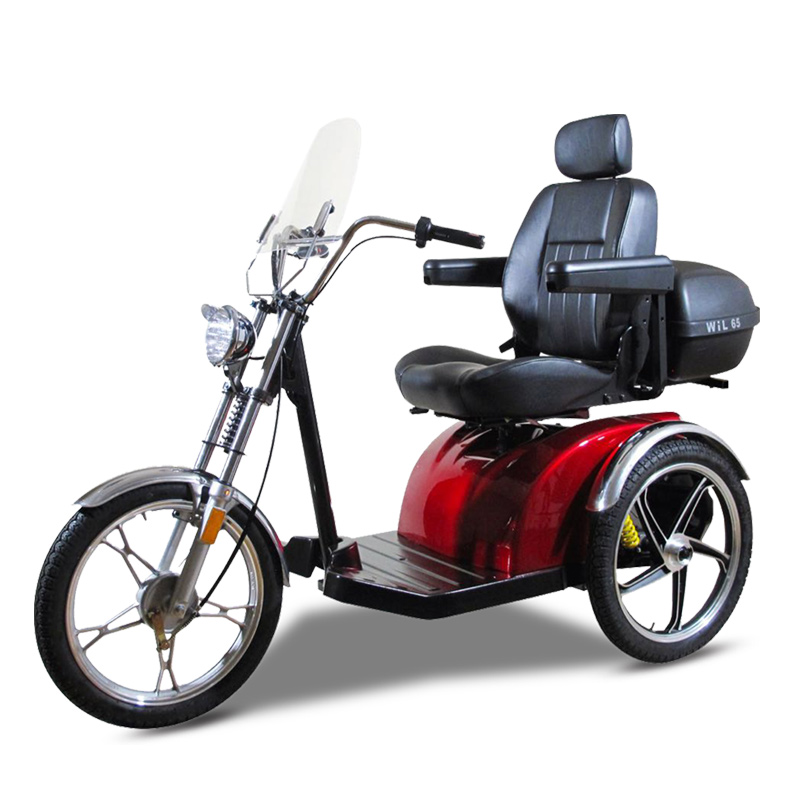
Short distance movement often looks simple from outside, yet sitting time still changes how body reacts during travel. A Portable 3 Wheel Scooter used for short trips usually involves frequent stopping, slow turning, and repeated mounting actions. Seat comfort quietly becomes part of how steady body position feels during those moments.
Pressure tends to build around hips and lower back when seating surface stays too firm. Padding helps spread body weight across a wider area, so contact points do not carry all load at once. Sitting posture feels less rigid, and body does not need to adjust repeatedly during movement.
Travel 3 Wheel Scooter use in short trips often includes quick up-and-down motion between stops. A softer seating surface helps transitions feel smoother, especially when rides are repeated within a short period.
How Does A Portable 3 Wheel Scooter Support Urban Short Trips?
Urban environments usually create short and fragmented travel patterns. A Portable 3 Wheel Scooter fits into this type of movement because structure stays compact and turning space requirement stays small.
Seat design becomes part of how easy the whole movement feels. When sitting position feels stable, rider does not need to correct posture frequently during short stops or slow movement.
Typical short trip patterns include:
- brief sitting periods with frequent pauses
- repeated start and stop motion during errands
- narrow space turning and direction adjustments
Padding inside seating area helps reduce small shocks that come from these repeated actions. Body feels more settled even when travel time stays short.
Why Does Seat Padding Influence Body Pressure Distribution During Movement?
When sitting on a Portable 3 Wheel Scooter, body weight naturally concentrates around lower body contact zones. Without cushioning, pressure stays focused on limited points, especially during vibration or uneven rolling.
Seat padding changes how force spreads. Instead of one area taking full load, cushioning layers share pressure across a wider surface. This reduces sharp contact feeling and supports more even sitting balance.
| Seat Condition | Pressure Behavior | Body Response During Short Trips |
|---|---|---|
| Thin surface seating | Pressure gathers in one area | Faster discomfort during repeated use |
| Padded seat structure | Pressure spreads across surface | More stable sitting feel over time |
Even short rides include small continuous movements. Cushioning reduces how strongly those movements transfer into the body.
What Challenges Do Users Face Without Adequate Cushioning?
A Travel 3 Wheel Scooter without proper seat padding may still function, yet comfort changes become noticeable during repeated short use.
Some common situations include:
- stiffness around lower back after multiple short rides
- pressure feeling around hip area during longer sitting moments
- frequent body shifting to reduce discomfort
- less stable feeling when scooter slows down or turns
Short trips may seem minor individually, yet repeated cycles make seating comfort more noticeable.
Padding helps soften these small stress points so sitting does not require constant adjustment.
How Does Padded Seat Design Affect Posture Control On Uneven Surfaces?
Even smooth urban roads carry small surface changes that are not always visible. A Portable 3 Wheel Scooter reacts to these changes through wheel movement, and vibration naturally travels upward toward seating area.
Cushioned seating reduces how much vibration reaches the body. Instead of direct impact, padded layers absorb part of the movement and soften its effect on spine and hips.
Posture behavior becomes more stable:
- upper body stays more aligned during small bumps
- less side leaning when surface changes suddenly
- reduced need for constant hand and shoulder correction
Short trips benefit from this because body does not need to constantly react to minor surface variations.
What Materials Are Commonly Used In Scooter Seat Cushion Structures?
Seat comfort depends not only on thickness but also on how layers are arranged. A Portable 3 Wheel Scooter seat often uses more than one material to balance softness and support.
Different layers serve different roles:
- soft upper layer for initial contact comfort
- firmer middle layer for structural support
- outer covering layer for durability and surface smoothness
| Layer Type | Function | Comfort Character |
|---|---|---|
| Soft foam layer | Reduces direct pressure | Gentle surface contact |
| Support foam layer | Maintains shape under load | Steady and firm feel |
| Cover material | Protects inner structure | Smooth and easy to clean |
Layer combination helps seat keep shape while still offering comfort during repeated short trips.
How Does Seating Design Interact With Handlebar Position And Riding Angle?
Seat structure does not work alone in a Portable Scooter. Height, angle, and cushioning depth all influence how upper body aligns during movement.
When seat padding increases slightly, sitting height changes, and arm position may shift accordingly. This affects how rider holds handlebar during movement.
Key interaction points include:
- arm reach distance during steering
- shoulder tension level during slow movement
- spine alignment when sitting for repeated short rides
Balanced design helps body remain in natural position without extra effort. If seat height and handlebar position feel mismatched, upper body may lean forward or backward more than needed.
Comfort during short trips often depends on how well these elements work together rather than one single part.
Why Is Heat And Pressure Build-Up A Concern During Repeated Short Trips?
Short trips on a Portable Scooter often look light in effort, yet sitting time adds up through repetition. When seat surface stays in continuous contact with body, heat gradually collects in contact areas. At the same time, pressure keeps acting on hips and lower back without long breaks.
Padding plays a quiet role in easing both effects. Air pockets inside cushioning layers allow slight airflow movement, which helps reduce trapped warmth. Pressure distribution also reduces concentrated load, so one point does not carry all body weight for long periods.
During repeated short rides, small comfort changes become noticeable:
- warmth increases around seated area after multiple stops
- slight numbness may appear in fixed sitting positions
- body tends to shift more often without realizing it
Seat design that balances softness and structure helps reduce these patterns during daily short travel cycles.
How Can Seat Design Influence User Experience In Travel 3 Wheel Scooter Applications?
A Travel 3 Wheel Scooter is often used in environments where movement is broken into many small segments. Seating design becomes part of how smooth those segments feel together.
Padding affects experience in a subtle way. Instead of changing ride behavior directly, it influences how body reacts to movement. When seating feels stable, attention stays on surroundings rather than discomfort.
Several experience-related points appear during use:
- sitting feels more consistent across multiple short rides
- body adjustment frequency becomes lower during travel
- transition between motion and stop feels less abrupt
- upper body stays more relaxed during steering
Comfort does not depend on a single factor. Seat shape, padding depth, and surface texture all interact during short distance travel.
What Design Considerations Help Balance Portability And Seating Comfort?
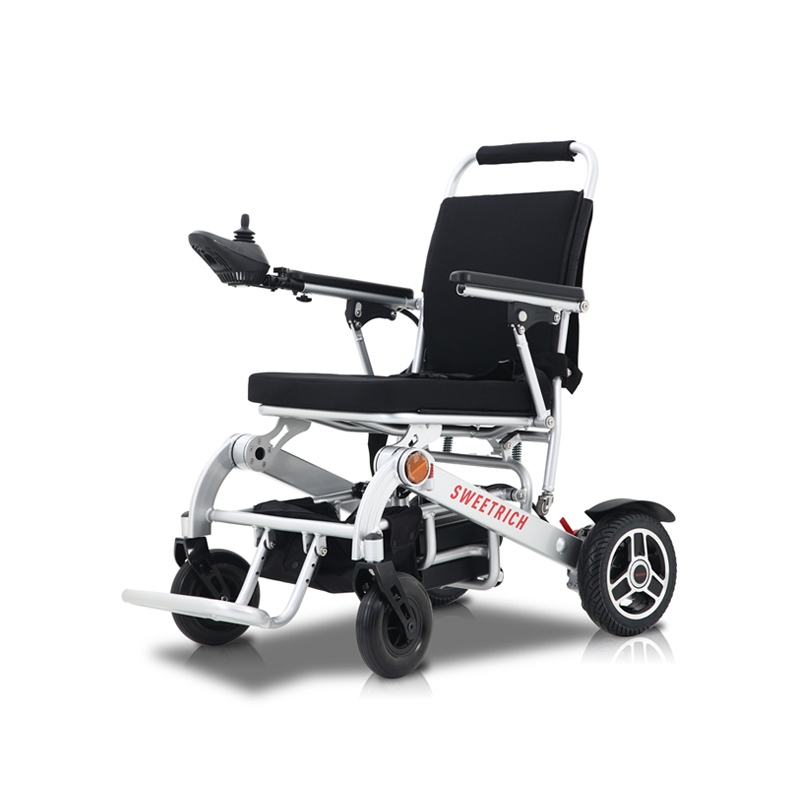
Portable Scooter structure usually focuses on ease of movement, storage, and daily handling. Adding seating comfort brings another layer of design balance.
Heavier cushioning can improve softness, yet it may also affect overall structure feel. Lighter padding improves portability, though comfort level may feel limited during repeated sitting.
Design balance often includes:
- moderate foam density instead of overly soft structure
- layered cushioning rather than single thick material
- compact seat shape that supports body without extra bulk
- breathable outer cover to reduce heat buildup
| Design Focus | Seating Feel | Portability Impact |
|---|---|---|
| Thin structure | Light movement, lower comfort | Easier handling |
| Layered padding | Balanced comfort during short trips | Slight increase in structure volume |
| Thick cushioning | Softer seating feel | Reduced portability convenience |
Finding a balanced point helps scooter remain practical for daily short distance use while keeping sitting experience steady.
How Does Repeated Short Trip Use Shape Seating Comfort Needs?
Short trips rarely happen only once in daily routine. A Portable Scooter often supports many short movements across different times of day. Each ride may be brief, yet combined usage creates continuous sitting exposure.
This repeated pattern changes how seating comfort is perceived. Small pressure points become more noticeable over time, even if each ride feels short.
Common patterns include:
- multiple sitting sessions within limited hours
- frequent starting and stopping motion
- short pauses between rides without long rest periods
Padding becomes more relevant in this cycle because it reduces accumulated strain rather than focusing only on single ride comfort.
Why Does Surface Texture Matter As Much As Cushion Depth?
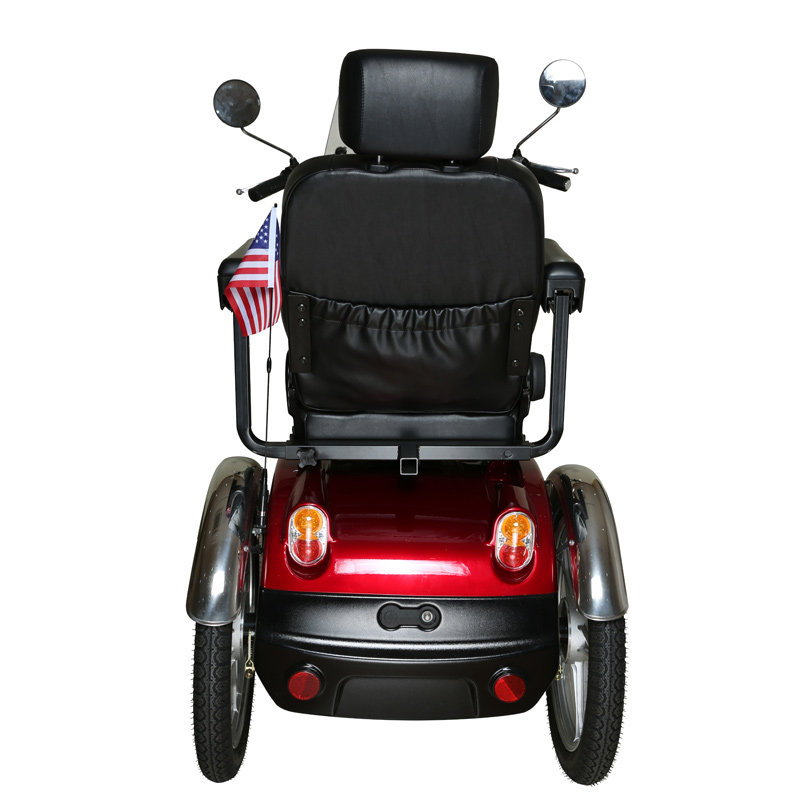
Seat comfort is not defined only by how soft padding feels. Outer surface texture also affects how body interacts with seating during short trips.
A smooth surface allows easier position adjustment, while a rough or stiff surface may create friction during movement. When rides involve frequent sitting and standing, surface feel becomes noticeable.
Key surface roles include:
- reducing friction during posture change
- supporting stable seating without slipping
- helping distribute contact feel more evenly
- working together with inner padding for balanced comfort
Even when cushioning layer stays consistent, outer layer behavior can change overall seating impression during repeated short use.
How Can Seating Design Support Different Short Trip Conditions?
Short trips do not always follow same pattern. Some involve flat surfaces, others include uneven paths or frequent stops. A Portable 3 Wheel Scooter seat must adapt to these variations without requiring adjustment from user side.
Cushioned seating helps absorb small differences in travel condition. When surface changes slightly, padding reduces direct transfer of impact to body.
In practical use, seating design supports:
- smoother feel during slow movement
- reduced discomfort during stop-and-go travel
- steadier posture on mixed surface paths
- consistent sitting feel across different short routes
Comfort stability across different conditions becomes more important than high softness level alone.
Balanced cushioning, surface design, and structural alignment together shape how body responds during daily short travel.