 info@sweetrich.cn
  +86-(0)512-82283871
Content
- 1 Size Considerations for Indoor Spaces
- 2 Turning Characteristics in Confined Areas
- 3 Controls That Support Ease of Use
- 4 Adjustments for Individual Needs
- 5 Construction That Supports Ongoing Reliability
- 6 Supporting Greater Participation in Daily Life
- 7 Fitting the Wheelchair into Home and Community Settings
- 8 Developing Skill and Familiarity
- 9 Reflections on Mobility in Everyday Contexts
- 10 Sweetrich Mobility
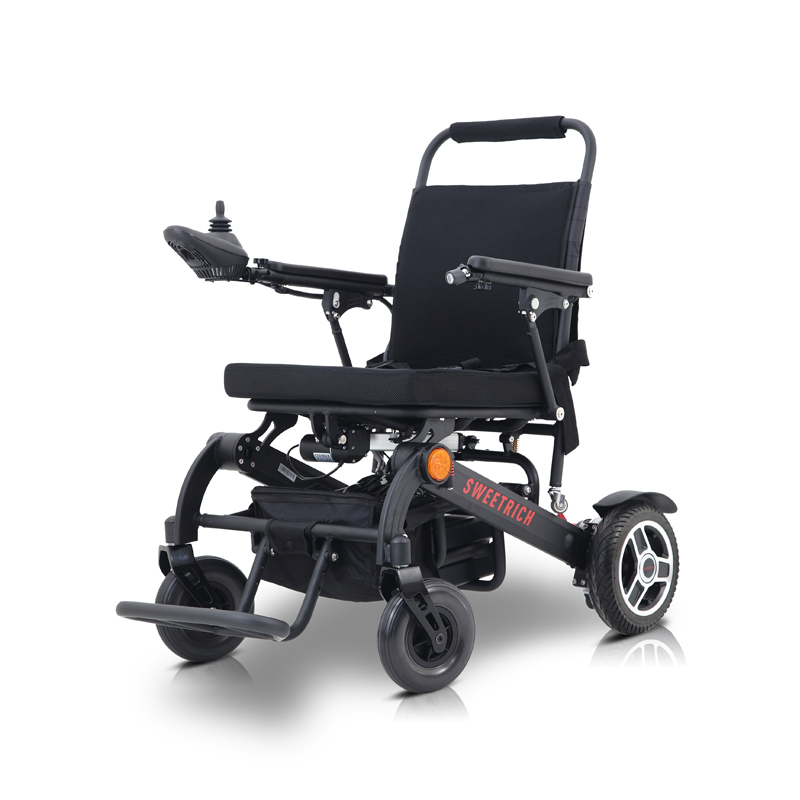
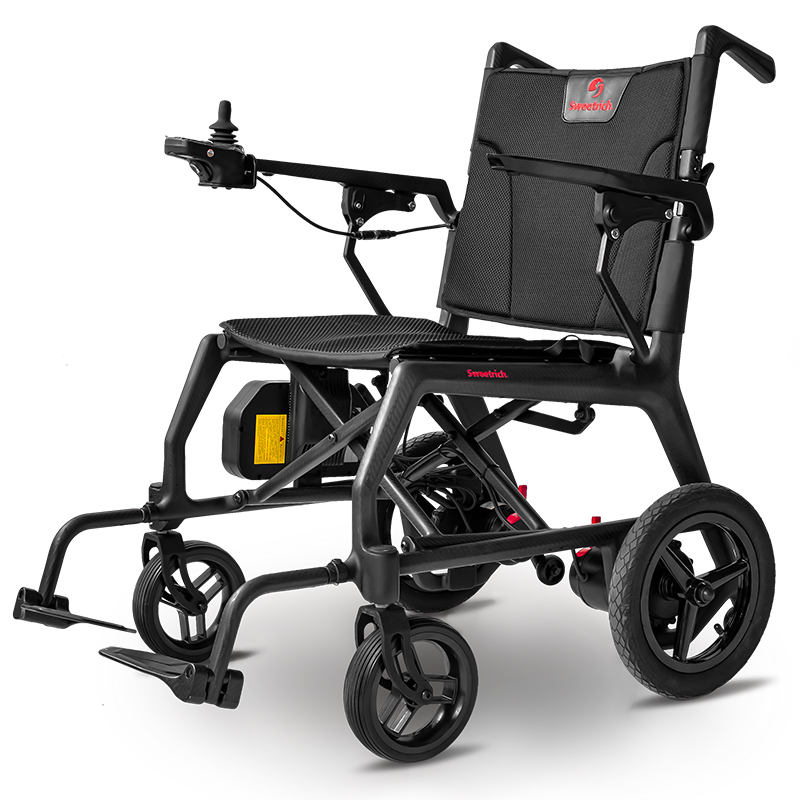
Portable Power Wheelchair make a real difference when moving around homes with limited space. Maneuverability is all about how well the chair handles turns and fits through everyday areas. In smaller living spaces, this quality determines how easily someone can pass through doorways, weave around furniture, or switch between rooms. Even modest improvements in turning radius or forward control can make daily movement feel much smoother.
Many houses have tricky spots that require extra thought, like hallways that tighten before a corner or doorways that open into compact bathrooms. A portable power wheelchair helps by cutting down on constant repositioning, allowing steadier progress instead of frequent stops and restarts.
The chair's weight affects how it feels in use. Lighter models tend to respond more easily when guiding into tight spots or making small adjustments. This helps on mixed indoor surfaces, whether sliding across hardwood or rolling over carpet, so the focus stays on the path rather than fighting the equipment.
Over weeks and months, many users discover that this kind of powered mobility becomes part of normal household life. Getting to the kitchen counter or slipping into a bedroom turns into routine motion instead of a separate challenge. The lower physical effort can help people stay active in their own surroundings.
Size Considerations for Indoor Spaces
The overall size of a portable power wheelchair plays a big role in how it works within typical home layouts. A shorter length paired with moderate width often makes it simpler to move through standard openings and around obstacles. This means approaching a table or sink without needing to back up repeatedly.
Compact dimensions allow the chair to pull up closer to counters and desks, making tasks like meal preparation or sorting items more straightforward. In bedrooms, it helps with getting near beds or closets where every inch counts.
When furniture or walls create narrow passages, a smaller footprint reduces the risk of scrapes or bumps. Families often like this because the chair lets someone join conversations and activities without forcing major changes to the room layout.
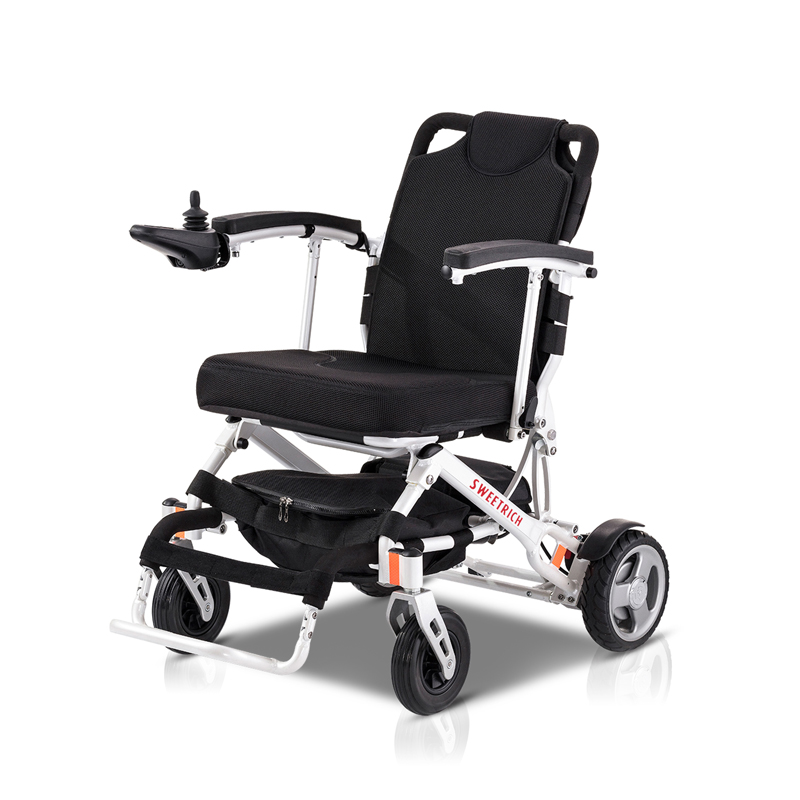
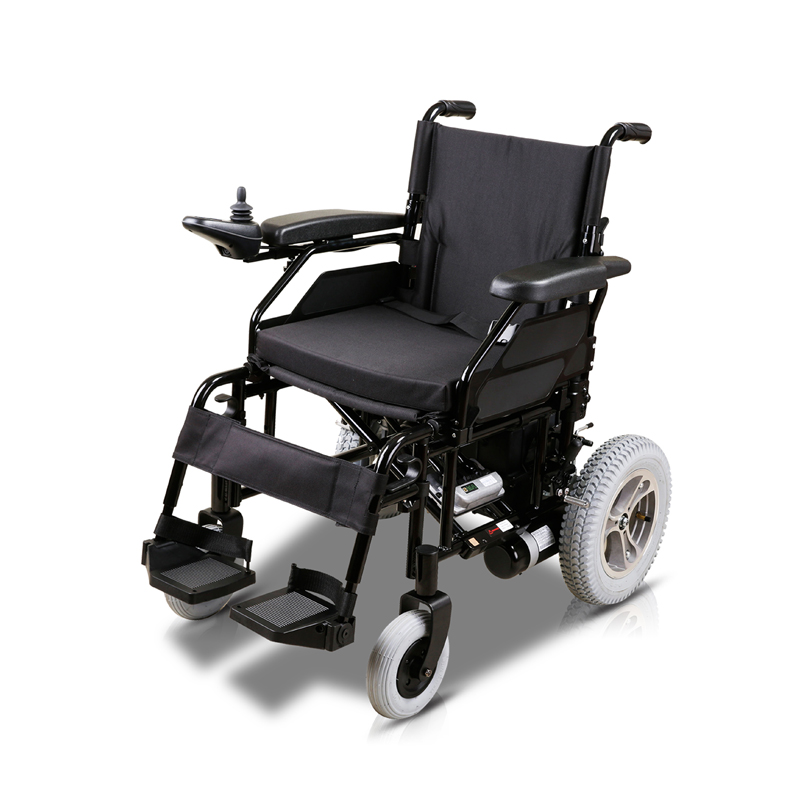
Adjustable features add practical flexibility. Armrests that swing out of the way create extra clearance for sliding next to surfaces or completing transfers. Footrests that can be raised or angled help with leg positioning and comfort during longer sits. These options let the chair adapt to the person rather than forcing the person to adapt to the chair.
Turning Characteristics in Confined Areas
How much space a wheelchair needs to change direction directly impacts navigation in rooms and hallways. Portable power models often use designs that support tighter rotations. This comes in handy when dealing with hallway corners or repositioning in living rooms.
In homes with angled passages or small entryways, the ability to turn with less room keeps things moving without constant adjustments. People frequently mention maneuvering into elevators or compact foyers more easily. The chair's handling matches the available space, giving a stronger sense of command.
Different drive systems affect turning behavior. Some arrangements position the drive components to allow pivoting closer to the chair's center. This works particularly well indoors, where straight travel mixes with frequent direction changes. While outdoor use brings other priorities, daily activities happen inside the home.
Spending time practicing in familiar areas helps users get a feel for the chair's responses. Small inputs on the controls create controlled movements, making it easier to line up with doors or position near furniture. Caregivers or therapists sometimes share simple techniques that speed up this learning curve.
Controls That Support Ease of Use
Most control systems on these wheelchairs use straightforward inputs that don't require much strength. A joystick typically lets users adjust speed and direction with gentle pressure. This design can work for a range of hand abilities.
How the chair reacts to commands makes a difference in smoothness. Gradual starts and stops help when moving near people or fragile items. Many systems allow sensitivity adjustments, so the response can be dialed down for crowded rooms or kept steady for longer distances.
Controller placement can often be shifted to keep it within easy reach, reducing strain over time. When extra features exist, they tend to simplify common actions without overcomplicating the main interface.
Getting comfortable with the controls takes practice. Early sessions focus on basic forward movement and turns. As confidence grows, users add more precise actions, such as aligning perfectly with a doorway or stopping at an exact spot. This gradual skill-building opens the door to greater everyday involvement.
Adjustments for Individual Needs
The ability to adjust seating and support elements helps the chair fit the user better. Armrests that move or fold away provide needed space in tight spots, such as next to a bed during transfers. This adaptability makes positioning feel more natural.
Footrests with adjustable height and angle options accommodate different leg lengths and support needs. Proper setup can improve circulation and reduce pressure during extended time in the chair. Some models include features that allow slight posture changes for added comfort.
The seat shape often helps distribute weight more evenly. Working with a therapist or mobility specialist makes it easier to find settings that match body proportions and movement patterns. When everything feels right, people tend to use the chair more independently throughout the day.
These customization options encourage consistent use because the equipment feels tailored to the individual. Daily routines become less tiring, and the chair supports everything from basic getting around to joining family moments at home.
A portable power wheelchair stays steady thanks to features that handle different floor surfaces and small height changes around the house. Support wheels placed in the right spots make it easier to glide over door thresholds or move from tile to carpet without any wobble. These little details help users feel more secure during those quick transitions that can sometimes feel tricky.
On even indoor floors, the chair rolls in a straight line even when you adjust the speed slightly. When you hit a low ramp or the small gap between two different floor types, the design softens the bump so the ride stays smooth. After a short time, people get a good feel for how the chair behaves on various surfaces, and that makes planning paths through the home much easier.
The brakes connect directly to the controls and allow for gentle, controlled stops instead of sudden jerks. This keeps things comfortable and protects balance and posture. The wheels themselves are built tough enough to handle constant rolling without wearing down fast.
Simple upkeep, such as checking the tires and keeping the battery topped up, helps the chair perform reliably day after day and avoids unexpected issues.
Construction That Supports Ongoing Reliability
Portable power wheelchairs are put together with materials that can take the daily grind of starts, stops, and turns. The frame holds strong through repeated use, and the motors give enough power for moving around indoors as well as short trips outside to reach a car.
The wheels grip well on different surfaces but stay quiet and gentle on indoor flooring. This balance lets users roll freely from room to room and then outside when the weather allows. With basic care, the chair is built to keep working dependably over time.
The power system fits easily into normal daily routines, with charging often done overnight as part of the household schedule. People like knowing the chair will be ready when they need it without any complicated planning.
This solid build also handles the shift from smooth indoor floors to lightly textured outdoor paths, giving access to more places without extra hassle.
Supporting Greater Participation in Daily Life
A portable power wheelchair can bring back the freedom of moving around on your own. When you don't need as much help for basic travel, it opens the door to simple household tasks like setting the table, grabbing items from shelves, or just shifting between rooms whenever you want. These everyday moments often to more natural time spent with family and friends.
In community settings, the ability to manage narrower aisles makes shopping trips or appointments feel less complicated. Moving along store shelves or into waiting areas becomes part of the outing rather than a challenge. Many users mention feeling more connected when they can position themselves comfortably with others nearby.
| Situation | Feature | Benefit |
|---|---|---|
| Narrow aisles in stores | Compact maneuverability | Easier navigation while shopping |
| Waiting areas or public spaces | Flexible positioning | More comfortable interaction with others |
| Community outings | Smooth movement in tight areas | Simpler and more relaxed trips |
Caregivers usually notice they have less physical work to handle because the chair takes care of of the movement. This leaves more energy for conversations and shared activities instead of constant assistance.
With regular use over time, the chair helps maintain daily routines, supports good circulation, and contributes to an overall sense of well-being. Being able to decide when and where to go quietly builds confidence in managing life on your own terms.
Fitting the Wheelchair into Home and Community Settings
Small changes at home often complement how the wheelchair moves. Clearing walkways, securing loose rugs, and measuring usual routes helps you see where the chair travels easily and where a quick adjustment can create a little more room.
In kitchens and bathrooms, reachable fixtures and open layouts work well with the chair. Adding grab bars or practical storage solutions can boost independence when combined with the chair's handling.
Before heading out, checking accessibility information ahead of time reduces surprises at new locations. Portable designs usually make loading into vehicles simpler, which opens up more chances to get out and about. Time spent in different places helps users discover what works for them.
Public buildings come in all kinds of layouts, and older ones can have tighter spaces. A compact power wheelchair makes it possible to handle many of these situations where larger chairs might have more trouble.
Developing Skill and Familiarity
Getting comfortable with any new mobility equipment takes time and practice. In the beginning, the focus stays on learning the basic controls and paying attention to your surroundings. As time goes on, users start handling more fluid turns and smoother approaches to obstacles.
Regular practice in familiar rooms builds consistent control habits. Understanding how far the chair travels before stopping and how it turns helps with planning and increases confidence. Advice from experienced users or therapists can make the learning curve shorter and smoother.
There's also an emotional side to the process. Adjusting to powered mobility means working through changes in independence. Talking with others who use similar chairs often brings helpful tips and a sense of not being alone in the experience.
Many people notice that careful movement at home gradually turns into relaxed rolling through stores or along neighborhood sidewalks. This natural progress shows how the right equipment can quietly fit into daily life.
Reflections on Mobility in Everyday Contexts
Portable power wheelchairs help solve the practical problems of moving through spaces that can feel tight or limiting. Their ability to handle confined areas, easy-to-use controls, and adjustable features all work together to reduce common obstacles. The important part is choosing equipment that matches a person's individual needs, the layout of their home, and the flow of their daily routines.
| Key Aspect | Description | Benefit |
|---|---|---|
| Compact maneuverability | Handles tight and limited spaces | Easier movement through rooms and hallways |
| Simple controls | User-friendly operation | Smooth and confident navigation |
| Adjustable features | Customizable seating and support | Better comfort and personal fit |
| Practical selection | Matches home layout and daily routines | More effective everyday mobility |
Picking the right mobility aid usually works with guidance from professionals who understand health needs, living situations, and personal habits. Design work keeps advancing with attention to better handling and improved comfort, aiming to create tools that feel like a normal part of life instead of something that stands in the way.
At its core, a portable power wheelchair supports everyday movement by working well in smaller spaces and offering controls and adjustments that fit real situations. When chosen thoughtfully, it helps people stay active in their homes, take part in community activities, and keep up with personal interests as their days unfold.
Sweetrich Mobility
Ultimately, the true value of a portable electric wheelchair often lies in the sense of ease and effortlessness it brings to daily mobility—whether gliding lightly between rooms, navigating familiar hallways with smooth turns, or stepping across a threshold with confidence rather than hesitation. This is precisely the experience Sweetrich Mobility strives to deliver to its users: by prioritizing thoughtful design, reliable handling, and tangible comfort, we aim to create wheelchairs that integrate seamlessly and naturally into the user's actual living environment.
Through meticulous observation of how people actually move within their homes and communities, Sweetrich Mobility continuously develops wheelchairs that serve less as specialized assistive devices and more as trusted companions in everyday life—empowering users to maintain their independence while continuing to participate in the daily activities and cherished moments that matter to them.