 info@sweetrich.cn
  +86-(0)512-82283871
Content
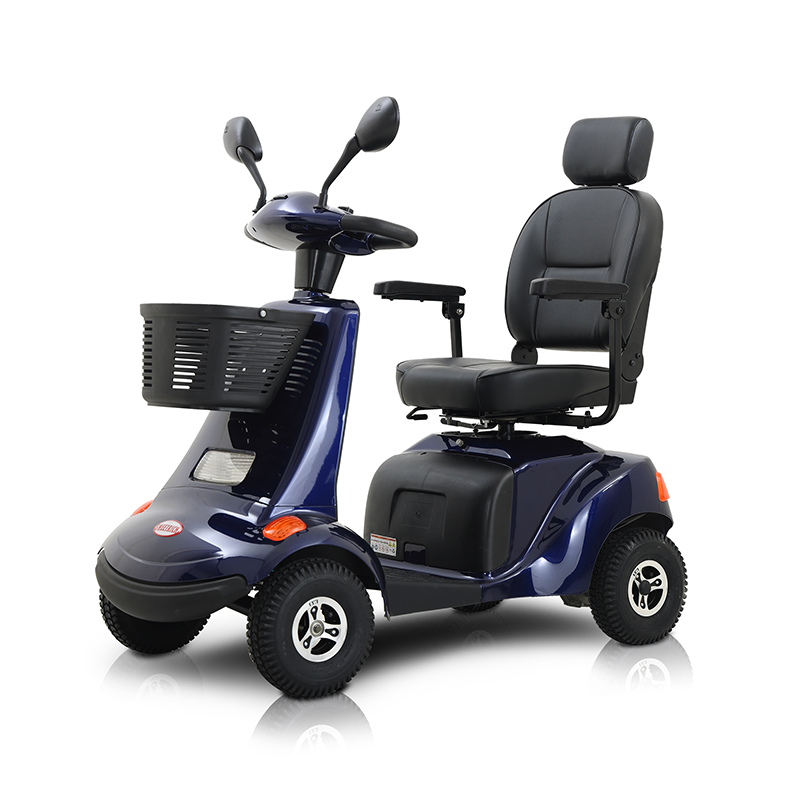
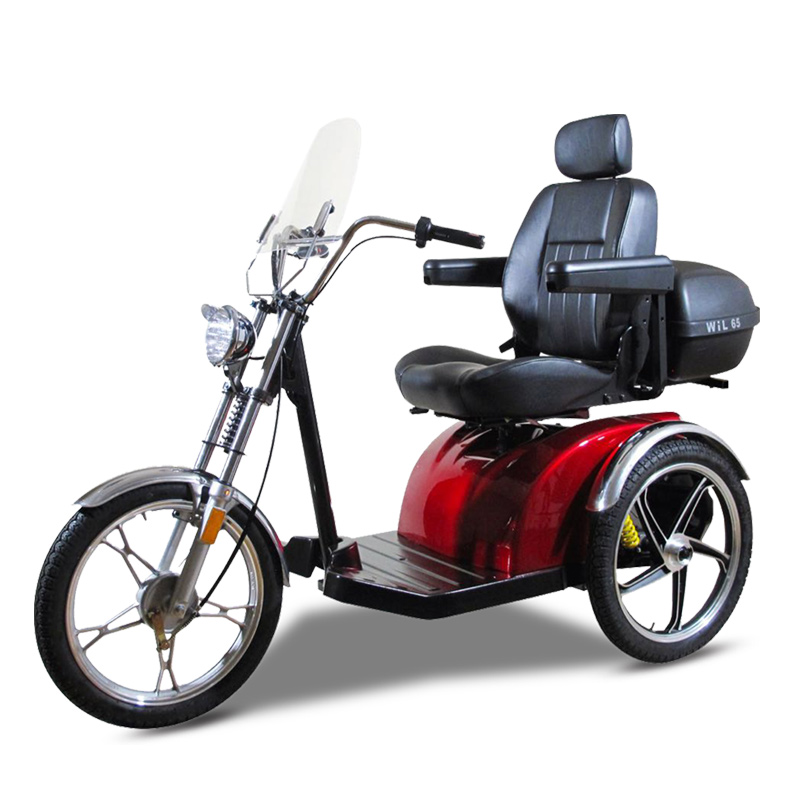
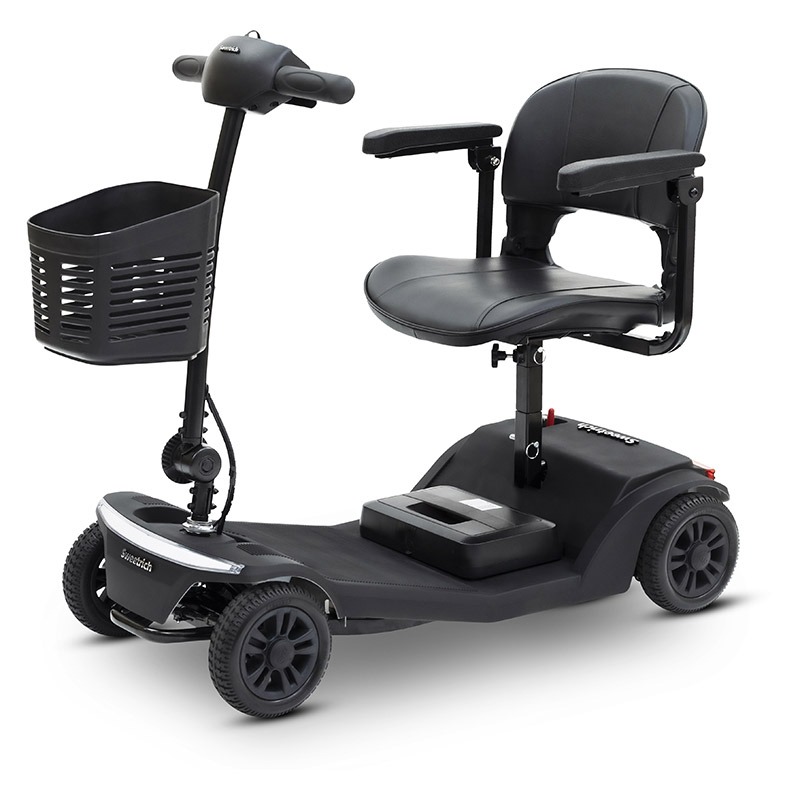
The rules for using a China Mobility Scooter on roads or sidewalks vary depending on the country, state, or local area. In some locations, mobility scooters are treated as pedestrian aids and are primarily intended for sidewalk use. In other places, users may have the option to travel on roads under specific conditions, especially when sidewalks are unavailable or unsuitable.
How Mobility Scooters Are Classified
In many regions, mobility scooters are legally considered pedestrian assistive devices rather than motor vehicles. This classification often means:
- Users follow pedestrian rules.
- Sidewalks and pedestrian paths are the default areas for travel.
- Road use may be permitted only when sidewalks are blocked, poorly maintained, or inaccessible (e.g., high curbs, construction, or missing ramps).
Some areas divide mobility scooters into classes:
- Class 2: Limited to 4–6 mph, usually restricted to sidewalks and pedestrian areas.
- Class 3: Capable of higher speeds (up to 8 mph), often allowed on roads with additional requirements (lights, indicators, registration in certain countries like the UK).
When Road Use May Be Allowed
Local laws sometimes permit mobility scooter users to travel on roads in these situations:
- No sidewalk is present.
- The sidewalk is obstructed or in poor condition.
- The road has low speed limits (typically under 30–35 mph).
Even when road use is allowed, users generally need to:
- Stay as close to the edge of the road as safely possible.
- Follow standard road rules (obey traffic lights, give way to pedestrians, use lights/reflectors if required).
- Travel at a speed and in a manner that does not impede other traffic.
| Category | Details |
|---|---|
| Situations When Road Use May Be Allowed | • No sidewalk available• Sidewalk blocked, damaged, or unsafe • Road with low speed limits (around 30–35 mph or below) |
| User Guidelines When Using the Road | • Stay close to the road edge where safe • Follow standard traffic rules and signals • Give way to pedestrians when required • Use lights or reflectors if regulations require • Travel at a controlled speed without obstructing traffic |
Safety Recommendations for Both Sidewalks and Roads
Regardless of location, safe operation includes:
- Wearing a helmet (recommended in many guidelines).
- Adding reflective materials or flags for better visibility.
- Using lights and indicators when travelling after dark or on roads.
- Watching for uneven surfaces, curbs, potholes, and obstacles.
- Keeping speed appropriate for the environment and surroundings.
Check Your Local Rules
Regulations differ significantly by location. To stay compliant and safe:
- Contact your local department of motor vehicles, highway authority, or disability services office.
- Review official government or council websites for the specific rules in your city or region.
- Look for guidance from national mobility or disability organisations.
By understanding and following the regulations that apply in your area, you can use your mobility scooter confidently while keeping yourself and others safe.