 info@sweetrich.cn
  +86-(0)512-82283871
Content
- 1 How Does An Elderly Electric Folding Scooter Structure Influence Daily Use
- 2 What Is The Correct Way To Fold An Elderly Electric Folding Scooter
- 3 How To Carry An Elderly Electric Folding Scooter Safely In Real Scenarios
- 4 What Should Be Considered When Storing An Elderly Electric Folding Scooter
- 5 How Do China Mobility Scooter Manufacturers Influence Folding Design Trends
- 6 What Common Mistakes Affect Folding And Storage Performance
- 7 How To Maintain Long-Term Usability Through Handling Habits
- 8 How Does Real-Life Environment Affect Folding Scooter Performance
- 9 What Should Be Checked Before Daily Use After Storage
- 10 How Do Design Improvements Support Easier Folding And Storage
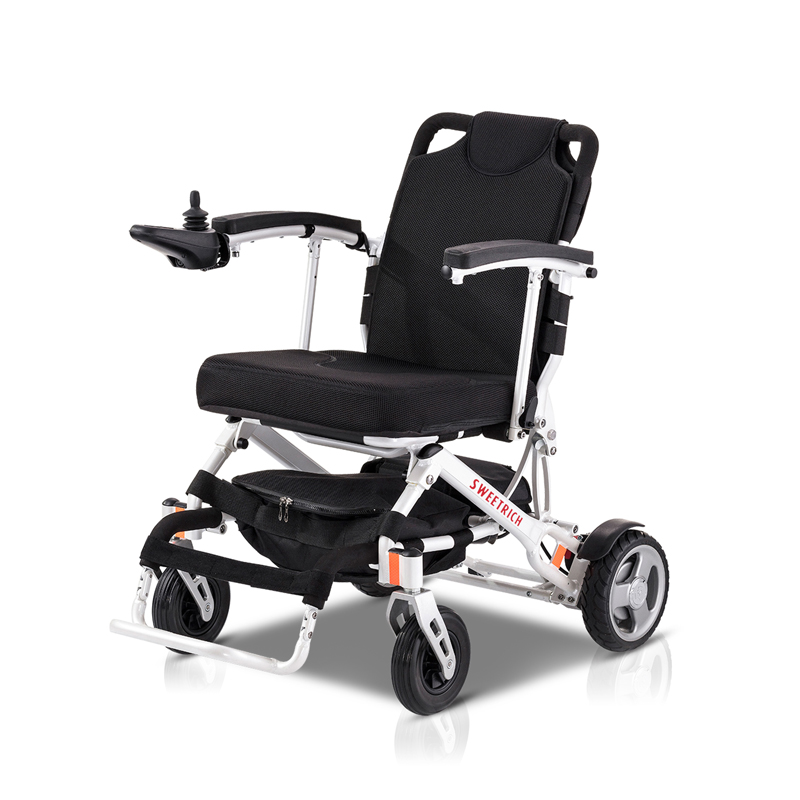
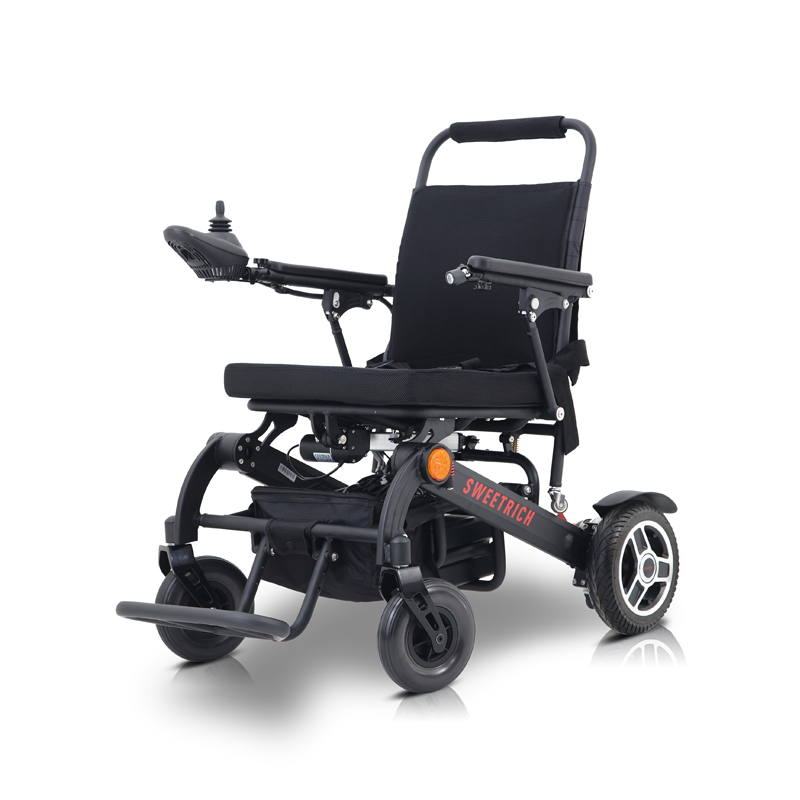
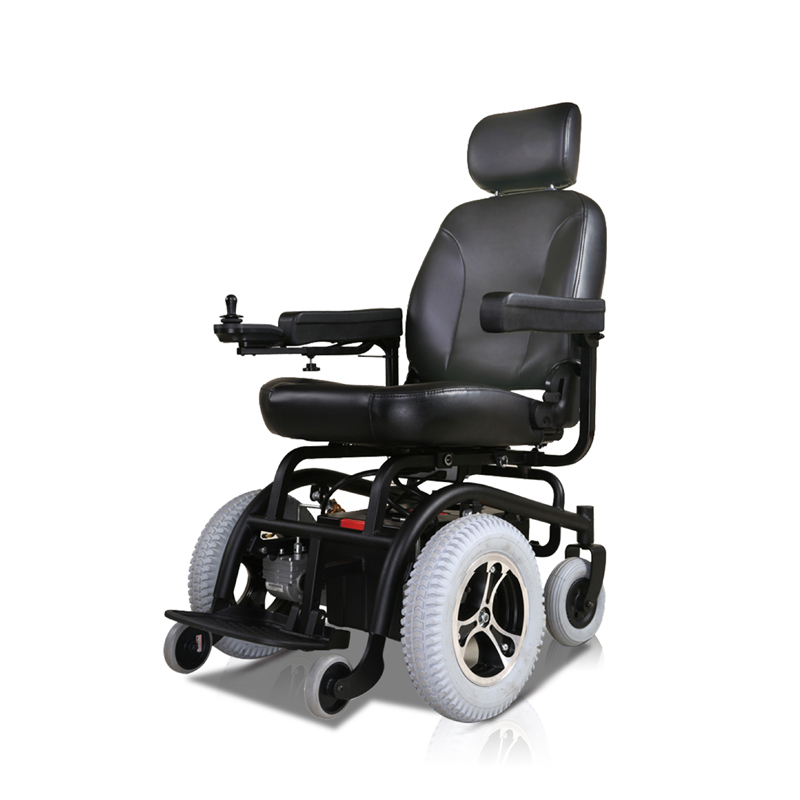
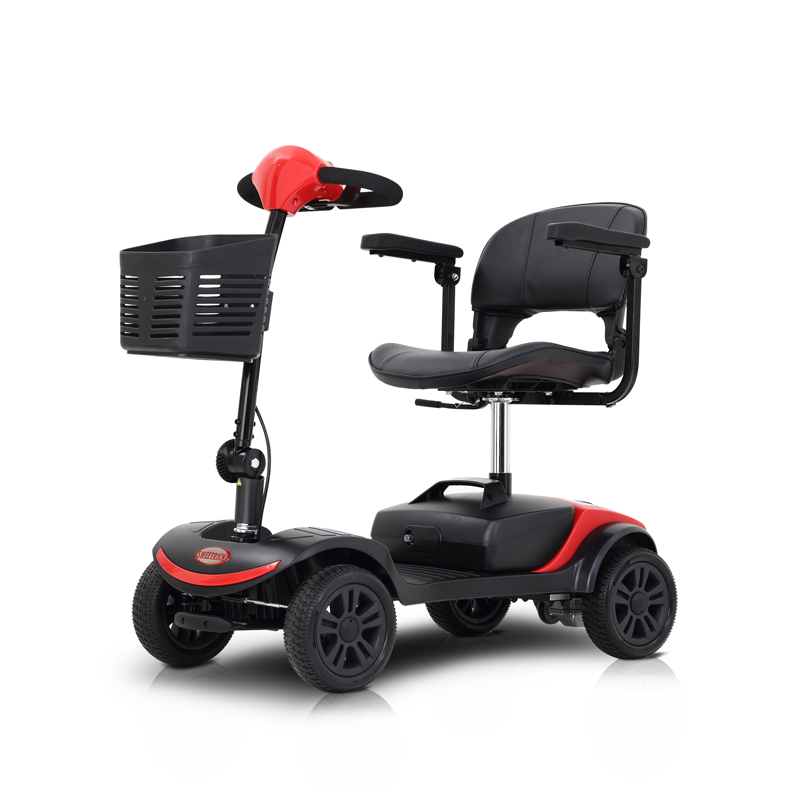
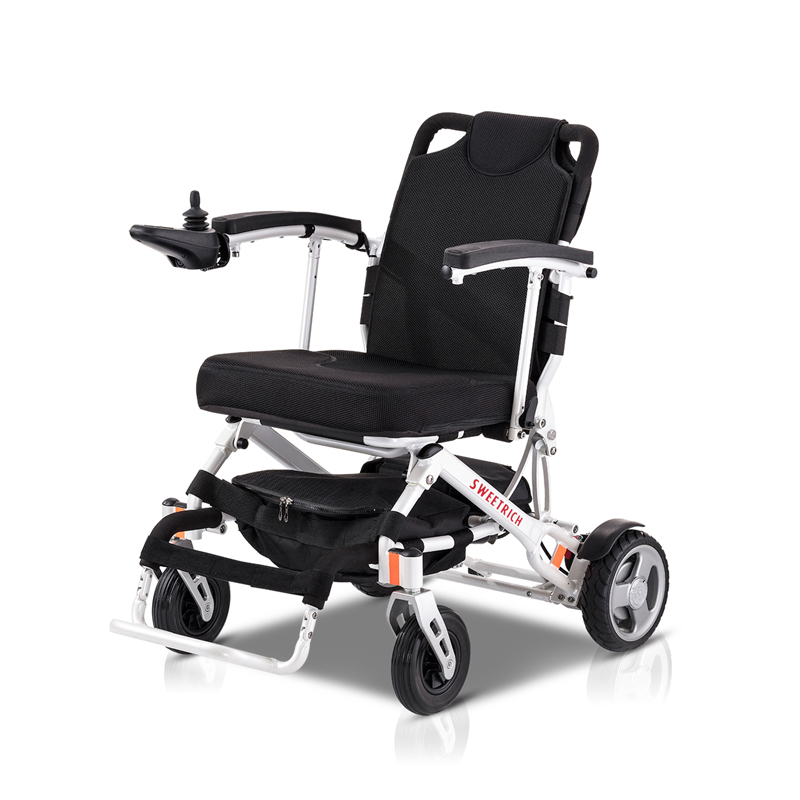
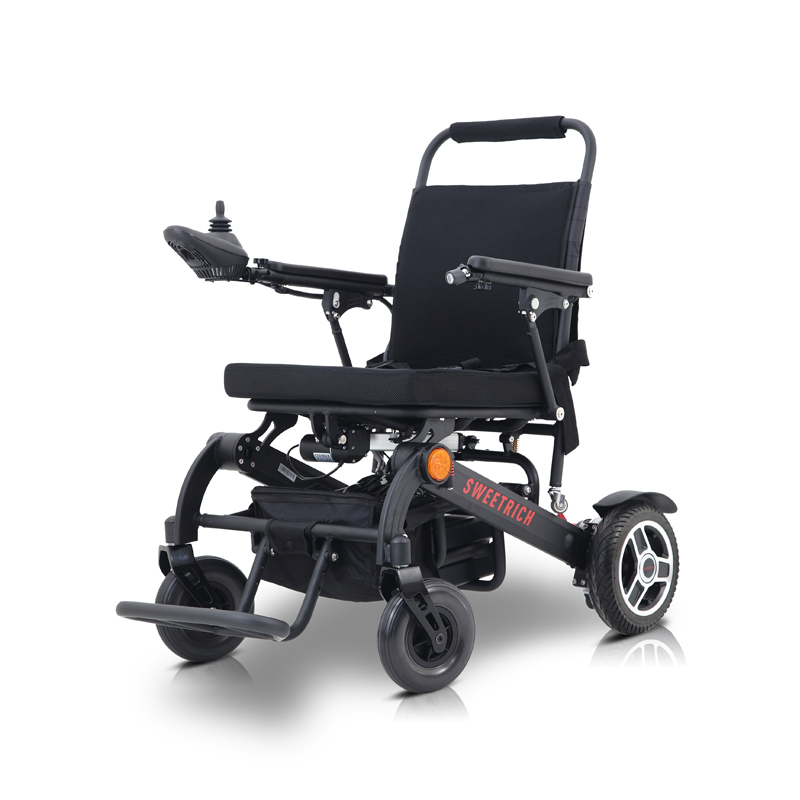
Folding mobility tools appear more often in daily movement between home, parking areas, and indoor public spaces. An Elderly Electric Folding Scooter usually sits in this category. It is built for short travel, simple transport, and storage in limited space.
In real use, the scooter is not always riding. A large part of time is spent in folded condition, moved by hand, placed in corners, or stored inside a vehicle. Because of that, folding and carrying become part of normal routine, not something occasional.
China Mobility Scooter Manufacturers continue adjusting frame layout and folding structure so handling feels more natural in tight environments. Small changes in design often aim at reducing awkward movement during lifting or storage.
How Does An Elderly Electric Folding Scooter Structure Influence Daily Use
A folding scooter is built around a frame that can change shape. One position supports riding, another supports storage. The same structure needs to hold weight in motion and stay compact when folded.
During riding, weight spreads across wheels and frame. When folding starts, that balance shifts. The center becomes heavier, edges move closer. That change allows compact form, though it also means the scooter needs steady hands during transition.
Folding points are where movement happens again and again. They are not fixed parts. Over time, small misalignment or forceful handling may affect how smoothly they move.
In daily situations, the scooter often passes through:
- narrow indoor walkways
- car trunks with limited space
- small storage corners at home
- shared areas where space is not fixed
Each situation changes how the frame feels in hand. A scooter that feels light in one place may feel awkward in another depending on angle and grip.
Structure is not only about shape. It decides how easy or difficult each small movement becomes in real life.
What Is The Correct Way To Fold An Elderly Electric Folding Scooter
Folding is not a single action. It is a sequence that needs calm movement and attention to position.
Before folding starts, the surface around the scooter matters. Small objects on the seat or frame can shift during movement and create imbalance.
Handle position usually needs to be aligned. When the handle sits straight, the frame tends to move more smoothly into compact form. When it is off-angle, folding may feel stiff or uneven.
A simple and steady flow in daily use often looks like this:
- clear space around the scooter
- remove loose items from frame or seat
- bring handle into aligned position
- release folding lock slowly
- guide frame downward with controlled movement
- check folded position stability
After folding, the scooter should stay in place without drifting. A stable folded form makes lifting or rolling easier.
Some users repeat the same folding steps every time. That habit reduces hesitation and avoids uneven pressure on joints. The movement becomes more predictable, which helps the structure stay in better condition over time.
How To Carry An Elderly Electric Folding Scooter Safely In Real Scenarios
Carrying a folded scooter is different from pushing it during riding. Weight is concentrated in one shape, and grip becomes the main control point.
Where hands are placed makes a clear difference. A balanced hold keeps the scooter close to the body and reduces strain on arms. Carrying too far from the body usually increases effort and reduces stability.
Most daily carrying happens over short distance. From room to hallway, from entrance to vehicle, or from storage corner to open space. Each movement is brief, yet repeated often.
In real use, people tend to follow patterns like:
- keep back straight while lifting
- avoid sudden turning while holding scooter
- pause before changing direction
- bring scooter close to body center
Some situations require two-person movement. Narrow stairs, uneven ground, or tight storage areas often make shared lifting more practical.
Lowering the scooter into a vehicle is another common moment. Smooth placement is easier than dropping movement. Controlled lowering protects both frame and surrounding surfaces.
Carrying habits build up over time. Even small care in movement reduces stress on folding joints and keeps handling more consistent.
What Should Be Considered When Storing An Elderly Electric Folding Scooter
Storage is often the longest stage in scooter use. After folding, the scooter may stay still for hours or longer periods, depending on daily routine.
Indoor space is usually preferred in many home settings. A corner or wall-side area gives enough stability for folded placement. Flat ground helps prevent leaning or shifting.
Environment around storage space also matters. Humidity, dust, and uneven temperature can slowly affect surface and joints. Dry and stable conditions reduce that kind of wear.
| Storage place | Condition in daily use | Practical note |
|---|---|---|
| Indoor corner | stable, easy access | low movement risk |
| Garage area | mixed exposure | needs dust cover |
| Vehicle space | temporary holding | limited space |
| Outdoor covered area | conditional use | needs protection layer |
Folded position should stay balanced. If the scooter leans or sits unevenly, small contact may cause shifting over time.
Battery handling may also be part of storage routine in some cases. Keeping system in calm condition during idle periods helps avoid unnecessary stress on components.
Storage is not only about placing the scooter aside. It is part of how the structure is preserved between uses.
How Do China Mobility Scooter Manufacturers Influence Folding Design Trends
Folding scooters keep changing in small ways that are not always obvious. The frame may seem familiar, yet the way it bends, locks, and sits in storage often feels different when used in daily life.
China Mobility Scooter Manufacturers have been paying more attention to real handling scenes. Not only riding comfort, also how the scooter behaves when lifted, folded, or placed into a tight corner.
Folding joints are one focus. Earlier structures often felt stiff or required extra effort. Newer approaches tend to make the motion more guided, so the frame moves in a smoother line rather than forcing a sudden fold.
Balance is another point. Once folded, the weight shifts toward the center. A more even balance makes carrying less tiring and reduces awkward tilting during short moves.
Common directions in design changes:
- fewer steps during folding movement
- clearer lock position when frame is closed
- lighter feel when lifting folded body
- more stable grip points for carrying
- tighter shape for storage in small spaces
Storage habits in real homes also influence these choices. Many scooters are placed in narrow corners, near doors, or inside vehicle spaces where every small adjustment matters.
What Common Mistakes Affect Folding And Storage Performance
Daily handling often decides how a scooter feels over time. Small habits, repeated many times, may slowly change folding smoothness or stability.
One frequent issue comes from rushing the folding process. When the frame is forced before alignment is ready, joints carry uneven pressure. The movement may still work, yet it can feel less smooth later.
Carrying is another area where mistakes appear. Holding from unstable edges or lifting from one side makes the scooter harder to balance. Even short distance movement can feel heavier than expected.
Storage also plays a role. A scooter placed on uneven ground or in damp corners may slowly lose smooth movement in folding joints.
Situations that often appear in daily use:
- folding without checking full lock release
- lifting from narrow or weak frame areas
- placing scooter on slanted surfaces
- leaving dust around folding joints
- storing in humid or unventilated areas
Each point alone seems small. Over time, repeated habits shape how the scooter responds during folding and unfolding.
How To Maintain Long-Term Usability Through Handling Habits
Keeping a folding scooter in steady condition is not only about maintenance tools. Daily handling habits often matter more than occasional checks.
A repeated folding routine helps the frame move in a predictable way. When the same order is followed each time, joints experience less uneven force.
Cleaning also fits into normal use. Dust near folding points can make movement slightly rough. A quick wipe before storage often keeps the motion smoother.
Carrying habits influence structure as well. Keeping the scooter close to the body reduces pressure on arms and frame edges. Sudden turns while holding it may create imbalance that feels unnecessary in tight spaces.
Simple habits used in everyday situations:
- use the same folding steps each time
- keep joints free from dust buildup
- avoid force when resistance appears
- place scooter gently during storage
- check stability before leaving it unattended
These actions are small on their own. Repeating them over time helps the scooter stay easier to handle.
How Does Real-Life Environment Affect Folding Scooter Performance
A folding scooter moves through different places during daily use. Each environment changes how folding, carrying, and storage feel.
Indoor areas usually give more control. Floors are flat, space is clearer, and folding can be done without pressure. Movement feels more predictable.
Outdoor paths bring different conditions. Uneven ground or narrow walkways may require quicker adjustments. Carrying becomes more sensitive to balance.
Vehicle transfer adds another situation. Space is limited, so folding needs to be accurate. Small misalignment may make placement slower or more difficult.
Environmental impact often shows in moments like:
- tight indoor corridors needing careful angle control
- uneven ground affecting balance during lifting
- humid storage areas influencing joint smoothness
- frequent movement between locations increasing folding cycles
These conditions slowly shape how the scooter behaves in long-term use. Even when structure stays the same, handling feel may change depending on surroundings.
What Should Be Checked Before Daily Use After Storage
After a period of storage, a quick check helps bring the scooter back into stable condition before use.
Folding joints are usually checked. They should move without unusual stiffness. Slight resistance may appear after resting, which often reduces after gentle movement.
Wheel position also matters. The scooter should sit evenly on the ground without tilting.
Handle alignment needs attention as well. A stable straight position helps maintain control during riding.
A simple daily check may include:
- visual look at folding joints
- light movement test of frame
- wheel balance confirmation
- handle straightening before use
- quick surface inspection
These steps do not take much time, yet they help avoid unexpected resistance during early movement.
How Do Design Improvements Support Easier Folding And Storage
Folding scooter design continues to move toward simpler handling. The aim is not only compact shape, also smoother movement during transition.
Folding systems are adjusted to reduce unnecessary force. The path from open state to folded state becomes more controlled, which helps users avoid sudden strain on joints.
Locking points are designed to feel clearer during operation. When the frame reaches folded position, the feedback is easier to notice.
Carrying comfort also becomes part of design attention. Better weight balance in folded state makes short transport less tiring.
Typical improvements seen in structure development:
- simpler folding sequence
- clearer locking feedback
- reduced resistance at joint movement
- more balanced folded weight
- improved grip areas for lifting
These changes connect directly with everyday use. Folding, carrying, and storing become part of a simple routine that fits different living spaces without complex steps.