 info@sweetrich.cn
  +86-(0)512-82283871
Content
- 1 What Does Lightweight Really Mean in a 3 Wheel Scooter
- 2 How Does a 3 Wheel Structure Handle a Higher Load
- 3 Which Parts Reveal Whether a Lightweight Frame Is Well Designed
- 4 How Does Rider Position Change the Real Load Balance
- 5 Why Folding Design Matters When Weight and Capacity Both Matter
- 6 How Should Storage Space Be Judged Alongside Load Capacity
- 7 How Can Different Use Scenarios Change the Right Choice
- 8 What Should Be Compared Before Choosing a Lightweight 3 Wheel Scooter
- 9 What Common Mistakes Should Be Avoided
- 10 How Can Daily Use Protect Load Balance
- 11 How Do Lightweight Design and Load Capacity Work Together
Choosing a mobility scooter often starts with two practical needs: easy handling and enough support for daily use. A lighter vehicle may be easier to move into storage, reposition at home, or prepare for transport. At the same time, a user may need space and structural support for personal belongings during everyday trips.
Those two requirements are connected more closely than they may appear. Reducing overall weight changes the way a frame, seat, wheels, and other components are arranged. Adding structural support can increase weight, while reducing unnecessary material requires careful attention to where support is actually needed.
For that reason, scooter weight should not be treated as a direct measure of load capacity. A lightweight design can still have a suitable rated load when the frame and weight distribution are planned around normal use.
A useful starting point is to separate two questions:
- How easy is the scooter to move or store?
- How much total weight is it designed to carry?
Rider weight and carried items should be considered together. A storage basket filled with groceries, for example, becomes part of the overall load rather than an independent consideration.
Appearance can also be misleading. A compact frame may look strong because of its shape, while a larger frame may contain unnecessary material for a particular use. Selection works better when the structure and intended load are considered together.
What Does Lightweight Really Mean in a 3 Wheel Scooter
Lightweight does not simply mean having a low number on a specification sheet. Daily handling gives the term more practical meaning.
A scooter may need to be moved around a home, positioned beside furniture, placed into a suitable storage area, or prepared for transport. In each situation, overall weight matters. Folded dimensions can matter just as much when the scooter needs to fit into a limited space.
Handling points deserve attention as well. A scooter that is relatively light can still feel awkward to move when its weight is difficult to hold or when folded components are poorly positioned.
For a Lightweight 3 Wheel Scooter, several questions can make comparison easier:
- Can the scooter be repositioned without unnecessary effort?
- Does its folded form make storage easier?
- Are there practical places to hold or guide the scooter?
- Does reducing weight leave enough structural support for normal use?
- Is the rated load suitable for the intended rider and carried items?
Transport requirements may differ from household storage. A scooter that works well beside a chair may need a different arrangement when placed inside a vehicle.
Consequently, lightweight design is better viewed as a combination of manageable weight, useful dimensions, and practical handling rather than a single specification.
How Does a 3 Wheel Structure Handle a Higher Load
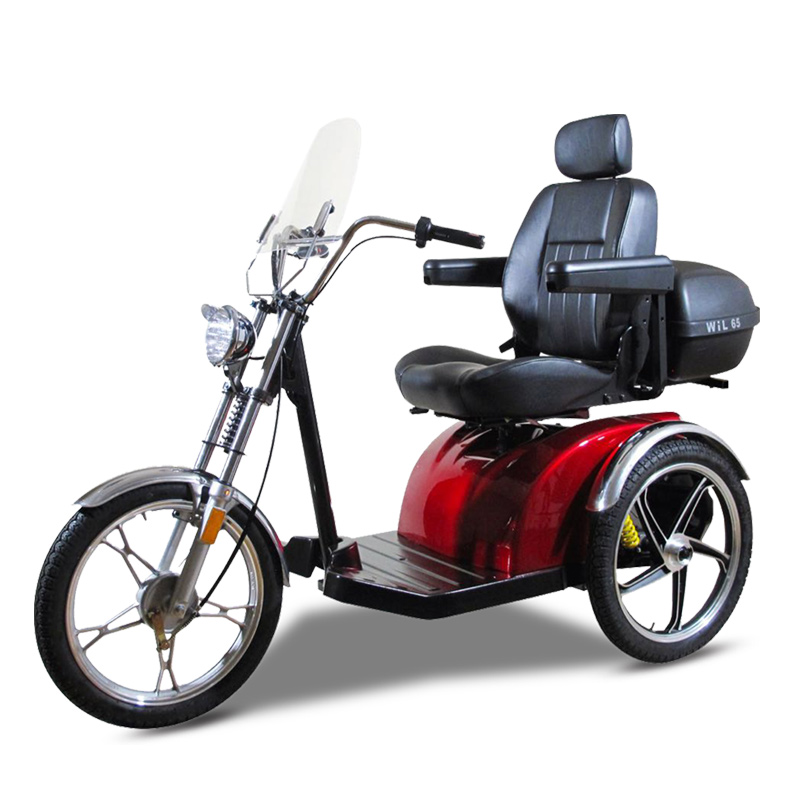
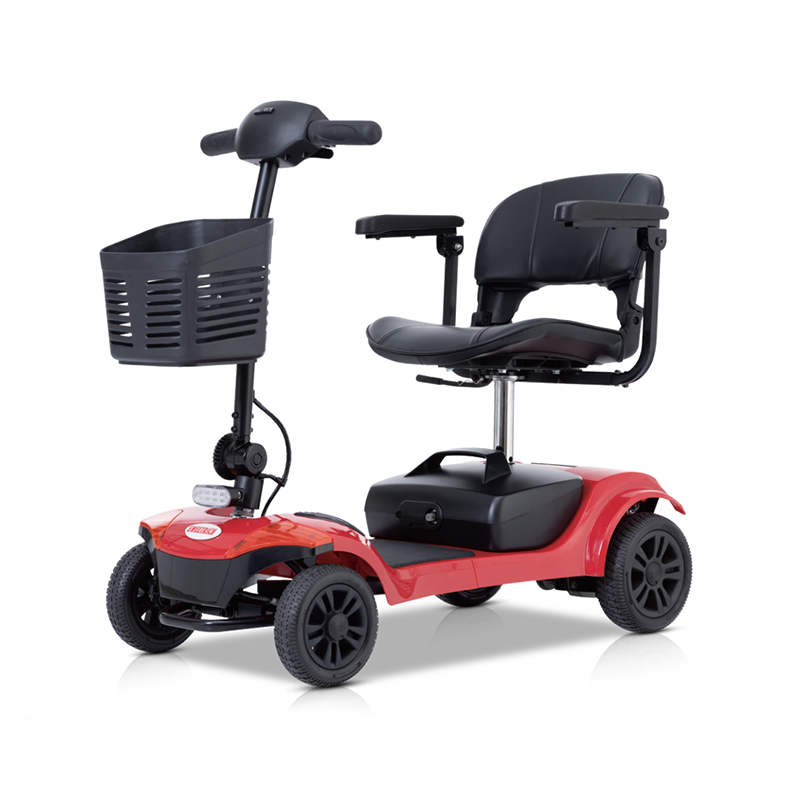
A three-wheel arrangement places one wheel at the front and two wheels toward the rear. Such positioning creates a particular relationship between steering, seating, and load distribution.
Front wheel placement influences turning behavior, while rear wheels provide support beneath the main body of the scooter. Seat position then becomes important because much of the rider's weight is located around that area.
A higher load does not simply disappear into the frame. Weight affects how the scooter responds during movement, especially when turning or when additional items are carried.
For everyday use, load distribution can be considered through three connected areas:
- Rider position
Where the rider sits affects the balance of the complete vehicle. - Storage position
Items placed toward the front, rear, or side can change how weight is distributed. - Wheel arrangement
Wheel locations determine where the load is supported in relation to the frame.
Three-wheel scooters can offer useful maneuverability in confined spaces, although turning requires attention to speed and surface conditions. A larger load placed in an unsuitable position may alter steering behavior even when the total weight remains within the stated range.
Consequently, load capacity should not be judged separately from load placement. Both describe how a scooter is likely to behave during actual use.
Which Parts Reveal Whether a Lightweight Frame Is Well Designed
A lightweight frame needs to provide support where support is required rather than carrying unnecessary material throughout the entire structure.
Looking at the connection between the seat and frame can provide useful information. Seat support needs to remain properly connected to the main structure because rider weight is concentrated around one area.
Wheel mounting points deserve attention as well. Wheels transfer movement between the ground and frame, so their connection with the main structure needs to remain properly aligned during normal use.
Folding areas require another type of consideration when the scooter is designed to fold. A folding joint needs to move during storage while remaining properly secured during operation.
Rather than focusing only on visible thickness, consider the overall arrangement:
- Where does the seat connect to the frame?
- How are the rear wheels supported?
- Where does the front steering structure meet the body?
- Which parts move during folding?
- Are important load areas properly supported?
Frame design is about distribution as much as material. A carefully arranged structure can place support around areas that experience greater loads while avoiding unnecessary bulk elsewhere.
How Does Rider Position Change the Real Load Balance
Rated load provides a useful reference, yet actual handling also depends on where that load sits.
A rider's position remains relatively fixed around the seat, while carried items may move from one location to another. A bag placed inside a designated rear storage area creates a different distribution from a heavy item hanging near the steering section.
For a three-wheel arrangement, changes near the front can have a noticeable effect on steering. Items placed too far to one side can also create uneven loading.
Seat position contributes to the same balance. A seat located too far forward or backward in relation to the wheel arrangement can alter how weight is distributed across the frame.
Normal carrying habits therefore matter. Heavy items should remain within areas intended for storage, while loose objects should not be placed where they can interfere with steering or movement.
| Load Situation | Possible Effect on Handling |
|---|---|
| Rider centered on the seat | Keeps the intended seating position |
| Small items in designated storage | Adds load within the planned arrangement |
| Heavy item near steering area | May change steering response |
| Uneven side load | Can affect balance |
| Excess load | Moves beyond the intended operating range |
Load capacity and load position belong to the same selection process. A suitable rating does not mean every possible arrangement of that weight will feel identical.
Why Folding Design Matters When Weight and Capacity Both Matter
Folding introduces another design challenge because part of the frame needs to move while the scooter remains structurally connected during use.
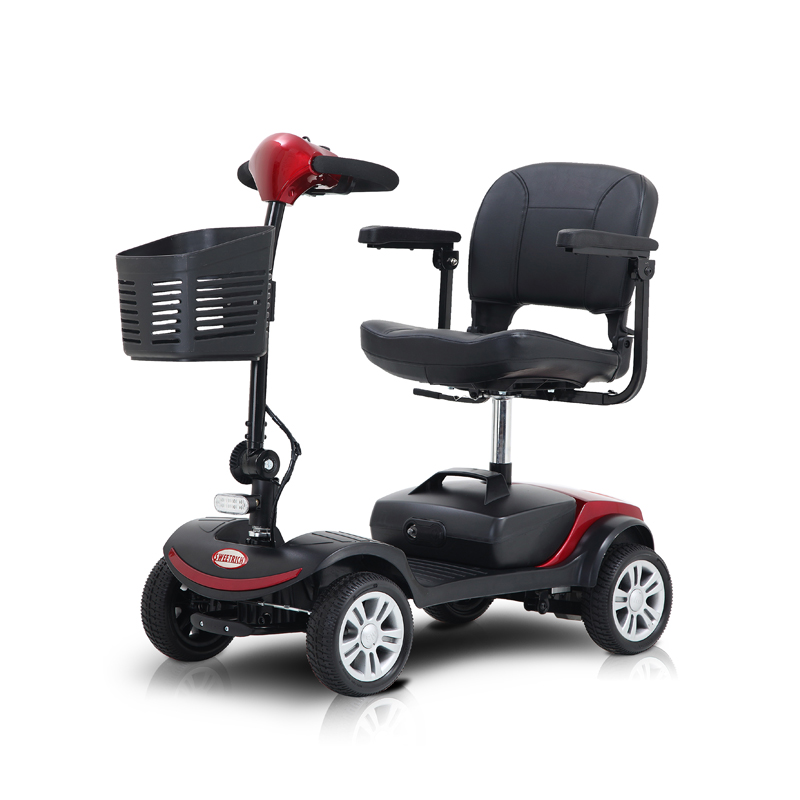
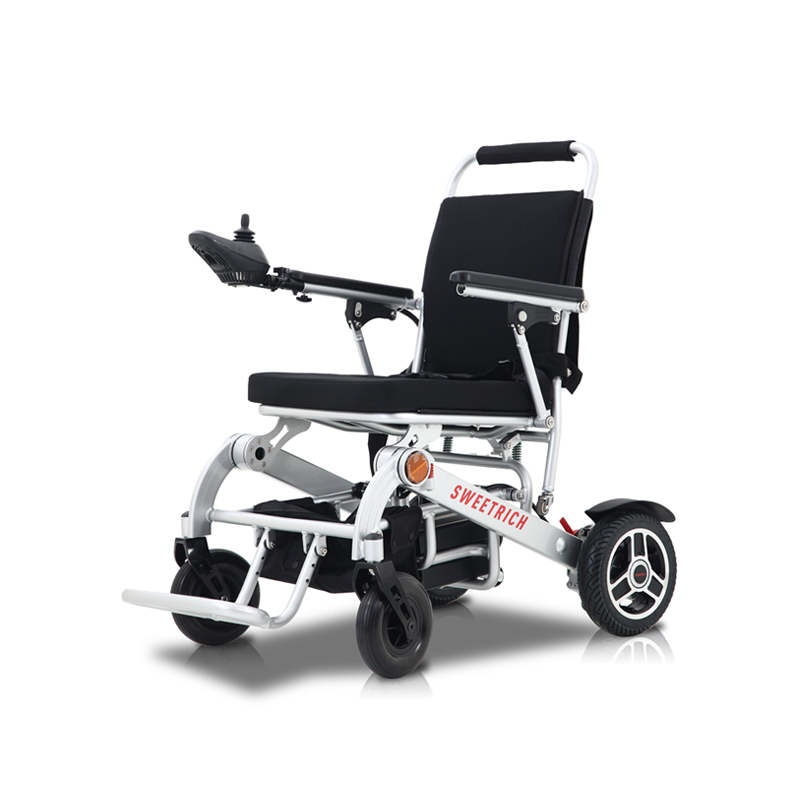
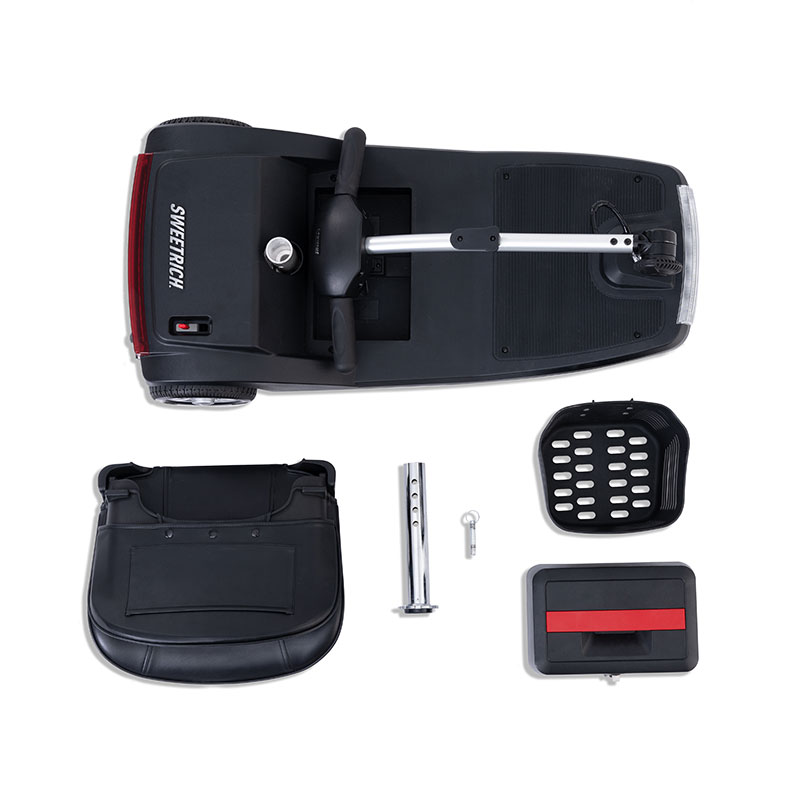
An Elderly Electric Folding Scooter may be selected because storage and transportation are important parts of daily mobility. Folding can reduce the space needed at home or during transport, although the folded size and handling weight still need consideration.
A folding mechanism usually involves moving joints and locking areas. During operation, such areas need to remain properly secured according to the product instructions. When folded, the same components need to allow the scooter to change shape without unnecessary difficulty.
Load capacity also needs to be considered in relation to the unfolded operating position. A scooter may be easy to fold and store, while its normal-use structure still needs to support the intended rider and carried items.
For selection purposes, check:
- How the frame folds
- Where the locking points are located
- Whether the folded form is practical to handle
- How much space is needed for storage
- Whether the intended load rating remains suitable in normal operation
Folding convenience and load support are not separate design topics. Both depend on how the frame is arranged.
How Should Storage Space Be Judged Alongside Load Capacity
Storage space can make a scooter more useful during everyday trips, although a larger basket or compartment does not automatically mean that heavier items should be carried there.
Location matters. A storage area placed near the front may influence steering when filled with bulky goods, while a rear compartment can change how weight sits over the back wheels. Side-mounted storage can also create uneven loading when one side carries considerably more than another.
For a Lightweight 3 Wheel Scooter, storage should therefore be judged through both capacity and position. A smaller compartment placed in a suitable location may be more practical than a larger one that changes the balance of the vehicle when filled.
Consider the type of items normally carried:
- Small personal belongings
- Light shopping
- A handbag or similar item
- Daily-use accessories
- Items that can remain securely inside a designated compartment
Heavy objects should stay within the manufacturer's stated carrying guidance. Hanging bags from the steering area or placing loose items on the floor can interfere with movement and make handling less predictable.
Storage also affects the lightweight concept. Additional baskets, boxes, or accessories add weight, so the scooter's original weight and the weight of added equipment should be considered together.
How Can Different Use Scenarios Change the Right Choice
A scooter that works well for one daily routine may not fit another. Looking at the intended activity before comparing specifications can make selection more straightforward.
| Use Scenario | Useful Considerations | Selection Focus |
|---|---|---|
| Home and short trips | Easy repositioning and storage | Scooter weight and size |
| Everyday shopping | Load and storage position | Rated load and storage layout |
| Frequent vehicle transport | Handling and folded form | Folding size and carrying weight |
| Indoor movement | Available turning space | Three-wheel layout and dimensions |
| Short outdoor trips | Load and surface conditions | Weight distribution and handling |
For home use, a manageable weight may matter more than carrying space. A scooter that needs to be moved around furniture or stored in a narrow area benefits from a practical overall shape.
Shopping creates a different requirement. Personal items and purchases add to rider weight, so the rated load needs to leave suitable room for normal belongings.
Vehicle transport introduces another question: can the folded scooter be handled comfortably enough for the intended routine? A low overall weight may help, although folded dimensions and gripping points remain relevant.
Indoor movement can also make a three-wheel layout useful because the front wheel arrangement can support turning in confined areas. Outdoor use introduces changing surfaces, so speed, wheel contact, and load placement require greater attention.
What Should Be Compared Before Choosing a Lightweight 3 Wheel Scooter
A long list of specifications can make comparison confusing. A simple sequence keeps attention on the actual reason for choosing a lightweight scooter.
- Check the Scooter Weight
Start with the weight of the complete scooter rather than judging individual components. Consider whether it needs to be lifted, pushed, repositioned, or placed into storage. - Check the Rated Load
Look at the stated load range and consider both the rider and anything normally carried. Treating storage weight as separate from rider weight can give an inaccurate impression of available capacity. - Check Load Position
A suitable load rating still needs sensible placement. Ask where bags or other items can be carried and whether those areas are designed for normal use. - Check the Frame Layout
Look at the relationship between the seat, wheels, steering section, and folding points. A coherent arrangement can provide useful support without creating unnecessary bulk. - Check Folding Needs
For an Elderly Electric Folding Scooter, folding should be judged according to the actual storage routine. Consider where the scooter will be kept and how it will be moved when folded. - Check Intended Use
Indoor movement, shopping trips, home storage, and vehicle transport can place different demands on a scooter. A specification that suits one situation may not suit another.
What Common Mistakes Should Be Avoided
Choosing a scooter mainly because it feels light can leave important questions unanswered. Weight is only one part of the selection process.
Another common mistake is treating load capacity as the same thing as storage capacity. A vehicle may support a certain total load while still having limited practical space for belongings.
Ignoring load position can create another problem. Two scooters with similar stated capacities may feel different when everyday items are stored in different places.
Folding design is sometimes judged only by how quickly or easily the scooter changes shape. Structural connections also deserve attention because folding areas form part of the frame arrangement during normal operation.
Other points worth avoiding include:
- Choosing by appearance alone
- Adding heavy accessories without considering total load
- Hanging bags from steering controls
- Placing heavy items on one side
- Ignoring the intended storage area
- Comparing scooter weight without checking rated load
- Assuming every three-wheel model handles in the same way
A more careful comparison looks at how the scooter will actually be used rather than relying on one attractive specification.
How Can Daily Use Protect Load Balance
Once a suitable scooter has been selected, everyday habits can help keep its intended balance.
Carried items should stay inside designated storage areas, especially during turns. Unevenly distributed bags can alter handling, while loose objects may interfere with steering or foot placement.
Regular checks can also help maintain normal operation. Tire condition, frame connections, folding locks, and seat attachment should be checked according to the manufacturer's instructions.
Turning deserves particular attention when carrying additional weight. Gradual steering gives the rider more time to respond to changes in direction, especially in narrow areas.
A practical routine might look like this:
Before travel:
Check the scooter, load placement, and folding connections.
During loading:
Keep heavier items within recommended storage areas.
During movement:
Use a suitable speed and avoid sudden steering.
After use:
Store the scooter in an appropriate location and keep unnecessary weight off the frame.
Simple habits can prevent a lightweight design from being used in ways that change its intended balance.
How Do Lightweight Design and Load Capacity Work Together
A Lightweight 3 Wheel Scooter needs to be judged through more than overall weight. Load capacity, frame arrangement, rider position, storage placement, and folding requirements all affect whether a design fits a particular daily routine.
Lightweight construction can make handling and storage easier, while adequate structural support allows the scooter to carry its intended rider and normal belongings. Neither characteristic should be considered in isolation.
For an Elderly Electric Folding Scooter, folding adds another layer to the decision. A practical choice needs to fit both the unfolded operating requirements and the folded storage routine.
A useful selection path is:
Lightweight Design → Rated Load → Load Position → Frame Layout → Folding Needs → Actual Use
Following that order keeps attention on the relationship between portability and practical load handling. Rather than asking only how light a scooter is, a better question is whether its weight, structure, carrying range, and everyday use form a suitable combination.