 info@sweetrich.cn
  +86-(0)512-82283871
Content
- 1 Folding Mechanism Durability in Foldable Scooter Factory Production
- 2 Basic Structure of Folding Mechanisms
- 3 Materials Selected for Hinges and Joints
- 4 Design Considerations for Repeated Use
- 5 Manufacturing Processes for Folding Components
- 6 Locking and Release Systems
- 7 Testing Approaches in Production
- 8 Impact on Everyday User Experience
- 9 Environmental and Practical Factors
- 10 Ongoing Refinements in Foldable Scooter Factory Methods
Folding Mechanism Durability in Foldable Scooter Factory Production
In a Foldable Scooter Factory, the folding system is treated as a working part rather than a decorative feature. It is the section that lets a scooter switch between riding form and a compact shape in daily use. The movement looks simple from the outside, just a hinge action and a lock, but in reality it gets used again and again in real environments. That repetition is what slowly shapes how stable the structure remains over time.
Folding scooters are usually handled in places where space is not fixed. Near entrances, on short trips between transport points, or inside narrow indoor areas, folding becomes part of normal movement. Because of that, the mechanism has to stay firm when locked and still move without resistance when released. After repeated use, the difference between a stable system and a weak one becomes easier to notice.
Inside a Foldable Scooter Factory, attention is usually not placed on how the mechanism feels, but on how it behaves after long repetition. A clean folding action at the beginning is expected, but the real concern is whether that same feeling stays unchanged after continuous use.
Basic Structure of Folding Mechanisms
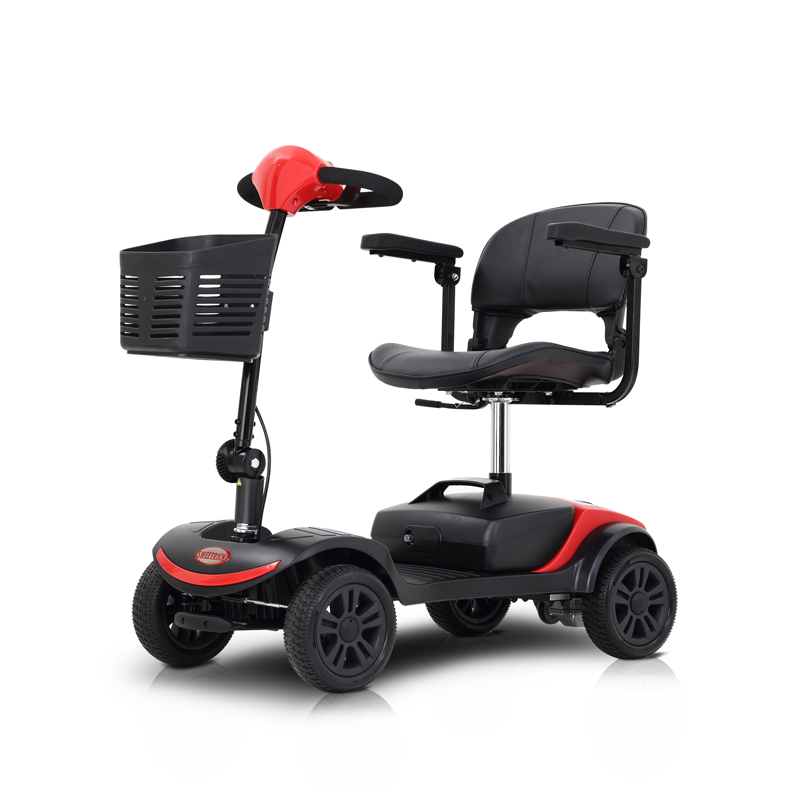
A folding system is built around a main hinge, usually placed near the front steering area. This hinge allows the upper frame to rotate down toward the base when folding. Some designs also let the handlebar fold inward, making the overall shape more compact.
The structure is divided into moving and fixed sections. The base and rear area stay still during folding, while the front section rotates through a controlled path. Small space is left around moving areas so cables and internal lines are not squeezed or bent sharply during movement.
Different folding layouts are used in production. A single hinge setup keeps movement simple and direct. Multi-joint layouts reduce storage size further but introduce more contact points that need careful alignment.
What really matters is how the scooter returns to the same riding position after unfolding. If the alignment shifts even slightly, the riding feel can change, even if the movement still works.
Materials Selected for Hinges and Joints
The folding area is under constant movement, so the material choice here has a direct impact on long-term behavior. Steel is often used in the hinge core because it can take repeated load without bending or loosening easily. Aluminum alloys are used in nearby frame sections where reducing weight is useful but basic strength still matters.
Between moving surfaces, small inserts are placed to reduce direct metal contact. These parts help the movement stay smoother and slow down surface wear. Composite materials or bronze-like inserts are often used in these positions.
Surface finishing is also part of the system. Coatings reduce friction and help slow down wear where parts slide or rotate repeatedly.
Inside a Foldable Scooter Factory, materials are not treated as separate choices for separate parts. The real focus is how they behave together once folding becomes a repeated daily action. Small differences in hardness, surface feel, and movement response can slowly change how the system feels after use.
Design Considerations for Repeated Use
Every folding motion shifts force through the frame. When the scooter is riding, the load follows a steady path through the structure. When folding starts, that force moves toward the hinge and connecting joints.
To handle this change, pressure is spread across several points instead of staying in one area. Small clearance gaps are added so parts do not rub directly during movement. This helps reduce slow wear that builds up over time without being noticed.
After unfolding, the scooter is expected to return to the same riding position every time. This is controlled by fixed stopping points that guide the movement and prevent over-rotation.
Frame flexibility is also taken into account. A scooter is never completely rigid during use, so the folding system is shaped to work with slight movement rather than resisting it.
Manufacturing Processes for Folding Components
Folding parts need more precise control during production compared with fixed sections of the frame. Since these parts move constantly, small alignment differences can affect how the mechanism behaves after repeated use.
Hinge components are shaped through careful machining so pivot points stay smooth and aligned. During assembly, different frame sections are positioned, then fixed in place so the folding path remains consistent.
Quality checks are done at several points in production, including:
- Checking how smoothly the hinge rotates
- Making sure spacing between parts is balanced
- Confirming that locking positions engage correctly
- Running repeated folding tests on sample units
Inside a Foldable Scooter Factory, assembly tools are often used to hold parts in position during joining.
Before moving forward, folding motion is tested through repeated cycles. The goal is simple: the movement should stay the same after many uses, not change after a short period.
| Component | Typical Materials | Main Role |
|---|---|---|
| Main Hinge Pivot | Steel or Aluminum alloys | Lets front section swing back |
| Handlebar Hinges | Aluminum with composite bushings | Collapses handlebars for lower height |
| Locking Pins and Latches | Hardened steel | Holds scooter in riding or folded position |
| Reinforcements | Added metal inserts | Reduces wear at stress points |
| Bearings and Bushings | Bronze or durable composites | Allows smooth rotation |
Locking and Release Systems
Locking systems are what keep a folding scooter from feeling loose or unpredictable. In Foldable Scooter Factory production, this part is usually built around fairly direct mechanical contact, nothing overly complicated. A latch clicks into place, a pin holds it, and the frame stays steady while riding or being carried.
The key idea is simple: once it locks, it should stay put until a clear action releases it.
Common structure usually includes:
- A latch that drops into a fixed metal slot
- A pin or hook that stops unwanted movement
- A guiding frame that keeps everything lined up during folding
The release side is kept just as simple. A small lever or button is placed where it can be reached without forcing awkward hand positions. Inside, a spring brings the latch back once it is released, so the system resets itself without extra steps.
What matters more than anything is consistency. If the movement feels smooth today but becomes stiff or too loose later, the whole folding experience starts to feel off.
Safety is built into the shape itself. The latch is designed so it does not open by accident while riding or carrying. Many designs also add a clear “feel” when it locks in, so there is no guesswork about whether it is engaged or not.
Testing Approaches in Production
Inside a Foldable Scooter Factory, folding systems go through repeated movement checks before they are considered ready. It is not just about whether the hinge moves, but how it behaves after the same action is done many times in a row.
The testing process is usually very direct: fold, unfold, repeat, then observe. Over time, small changes start to show if something is not balanced properly.
Things usually watched during testing include:
- Whether the hinge movement starts to feel uneven
- If small gaps appear in the joint area
- How cleanly the lock engages each time
- Any shift in frame alignment after repeated cycles
If something feels slightly off, adjustments are made before moving forward. This might involve changing tightness, refining contact points, or adding a bit more control in lubrication areas. Nothing dramatic, just small corrections that improve how the parts sit together.
The idea is to get close to real use. Folding at transport stops, quick storage in tight corners, or carrying the scooter up a few steps all put different kinds of pressure on the same mechanism. Testing tries to reflect that kind of movement instead of only lab conditions.
Impact on Everyday User Experience
When the folding system behaves properly, it becomes something that barely gets noticed during daily use. Folding and unfolding just happen in the background of normal movement.
A few practical effects show up over time:
- Switching between riding and carrying feels quicker
- Storage in small rooms or corners becomes easier
- Handling in crowded areas feels less awkward
- Less need to stop and "fix" the mechanism during use
A stable hinge also changes how the scooter feels when carried. If the locking system holds firm, there is no constant checking or adjusting while walking. It just stays in place.
Maintenance becomes less of a regular concern as well. When the folding action stays consistent, there is less need to tighten or readjust parts often. The movement slowly turns into something familiar, almost automatic.
Environmental and Practical Factors
Folding systems do not stay in one clean environment. They move between indoors and outdoors all the time, so small external changes start to matter.
Common real-world conditions include:
- Dust building up around hinge points after outdoor use
- Moisture after light rain or damp ground
- Temperature shifts affecting how smooth the joint feels
- Storage in mixed places like vehicles, hallways, or small rooms
To deal with this, hinge areas are usually covered or shaped in a way that limits direct exposure. It is not about sealing everything completely, but about slowing down how quickly dirt or moisture affects movement.
Design also leaves space for simple cleaning. Wiping or light maintenance can be done without taking anything apart, which helps keep the system usable in everyday situations rather than only in controlled conditions.
Ongoing Refinements in Foldable Scooter Factory Methods
Work inside a Foldable Scooter Factory is not fixed in one direction. Small adjustments keep happening based on how scooters behave after real use. Most changes are subtle and focused on movement feel rather than appearance.
Typical areas of attention include:
- Reducing friction in hinge movement without making it too loose
- Keeping alignment stable after repeated folding cycles
- Making sure contact points do not wear unevenly
- Ensuring folding motion stays natural with other scooter parts
Folding systems also need to fit around other components like cables or internal wiring. If these are not planned properly, they can interfere with movement, so layout adjustments are often part of the process.
In industry discussions, Suzhou Sweetrich Vehicle Industry Technology Co., Ltd. is sometimes mentioned in relation to steady improvements in hinge behavior and practical folding use in daily mobility design.
The direction is usually steady and practical: keep movement simple, reduce unnecessary resistance, and make sure the folding action feels stable even after long periods of regular use in different environments.