 info@sweetrich.cn
  +86-(0)512-82283871
Content
- 1 Modern Mobility Product Selection
- 2 What Defines A 4 Wheels Scooter Factory in Production Context
- 3 Why Factory Background Matters Before Choosing A Product
- 4 What Users Usually Look At Before Choosing A Scooter Product
- 5 How 4 Wheels Structure Affects Movement Behavior
- 6 Inside The Production Flow Of A 4 Wheels Scooter Factory
- 7 Factors That Influence Product Behavior After Production
- 8 User Environment Differences And Product Adaptation
- 9 Common Misunderstandings When Evaluating Factory Products
- 10 Practical Points To Observe Before Choosing A Product
- 11 Comparison Of Different Production Approaches
- 12 Role Of Quality Control Inside Factory Environment
- 13 How User Expectations Influence Factory Design Direction
- 14 Connection Between Design Thinking And Real Usage
- 15 Closing View On 4 Wheels Scooter Factory Products
Modern Mobility Product Selection
Mobility products used for short-distance movement have gradually become part of everyday life in different environments. People do not always think about how these products are made. The focus usually stays on how they feel during use.
Over time, that view starts to change a little. Instead of only looking at appearance or basic function, more attention is placed on how the product behaves during movement and how stable it feels in different conditions.
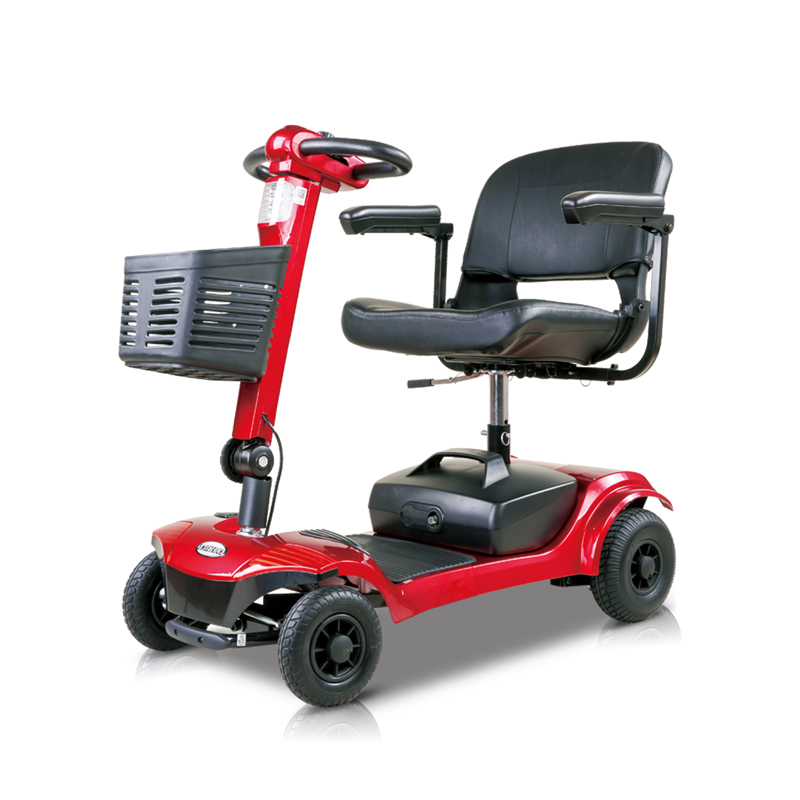
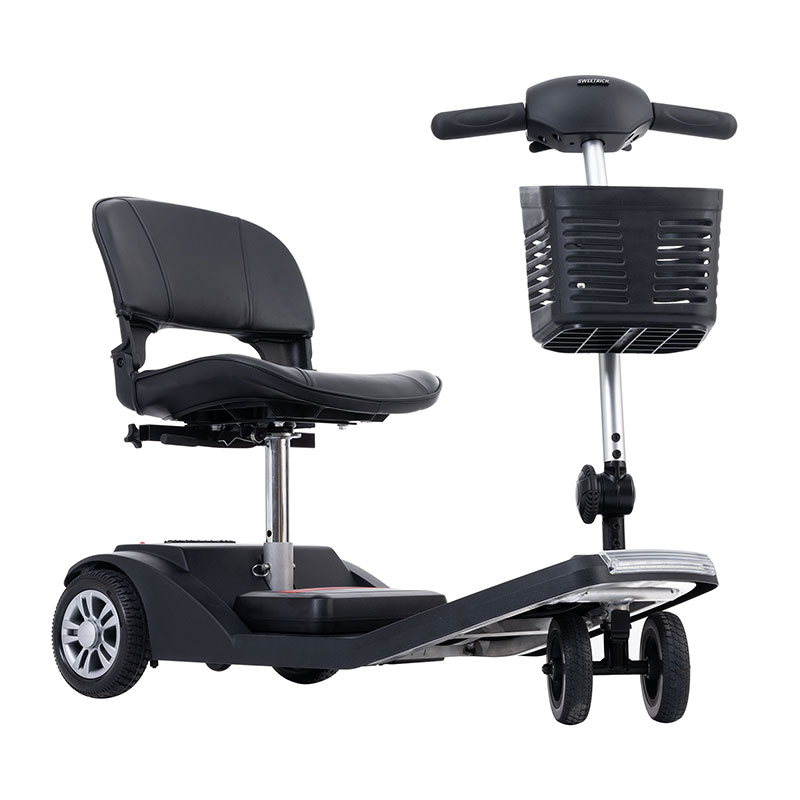
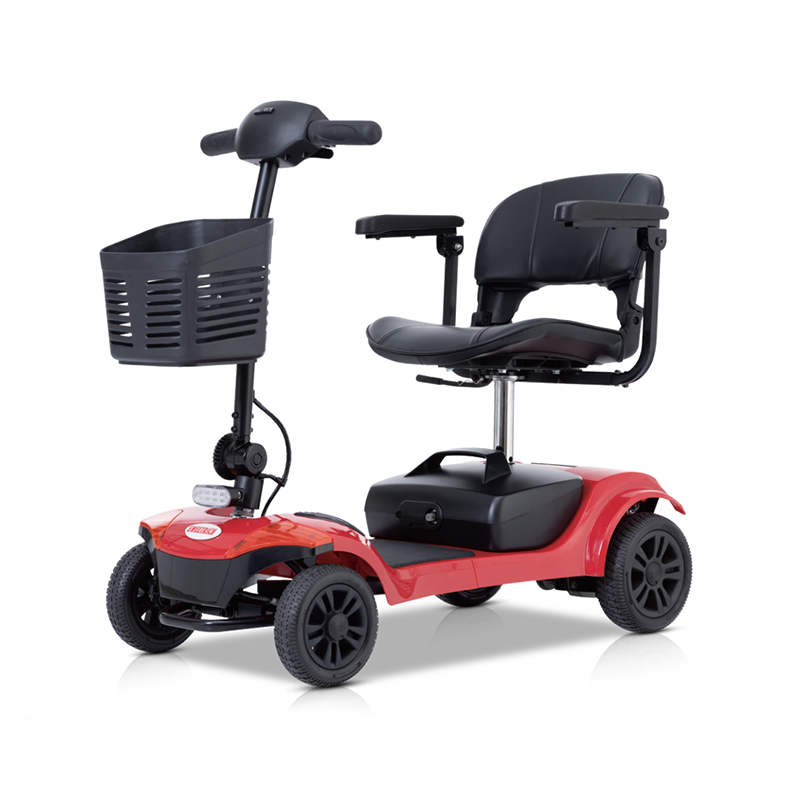
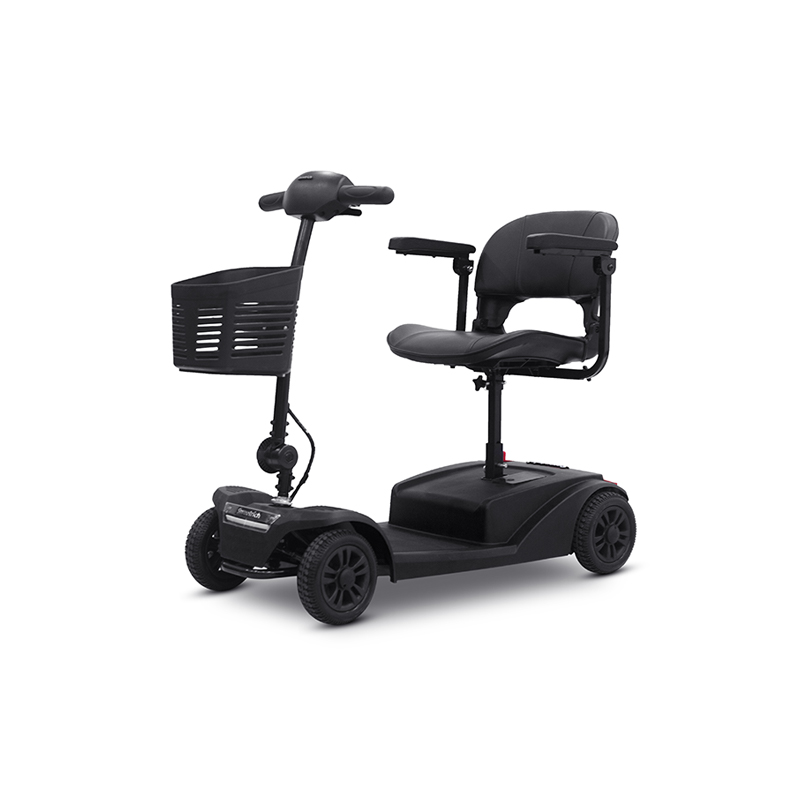
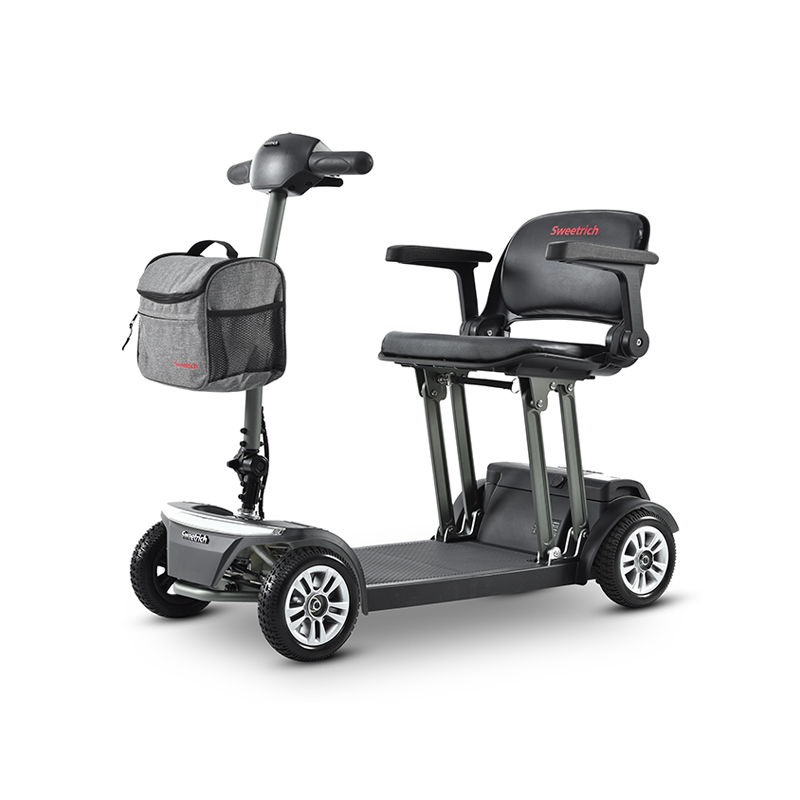
This is where the idea of a 4 Wheels Scooter Factory begins to matter more. It is not just about the product itself, but about how it is created, assembled, and adjusted before it reaches use.
In some industry discussions, companies such as Suzhou Sweetrich Vehicle Industry Technology Co., Ltd. are mentioned in relation to how production systems are organized and how mobility products are shaped before entering different usage environments.
What Defines A 4 Wheels Scooter Factory in Production Context
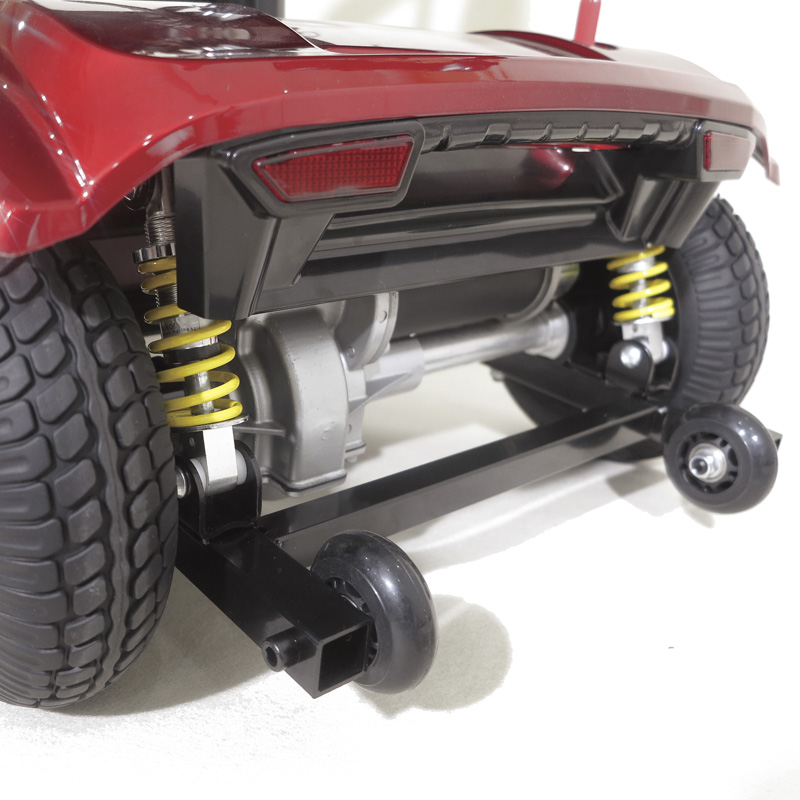
A 4 Wheels Scooter Factory usually refers to a production environment where mobility scooters are assembled through a structured process. The focus is not only on putting parts together, but also on how each step connects with the next.
Compared with simple assembly setups, factory-based production tends to follow a more continuous flow. Materials move through different stages, and each stage adds something to the final structure.
What makes this type of production important is not only output volume, but also how consistent the final result feels when used in real conditions.
Some common characteristics often seen in such environments include:
- repeated assembly patterns across similar product lines
- gradual alignment of components during construction
- adjustment of structure based on design intention
- final checks before leaving the production stage
These elements are not always visible from the outside, but they influence how the product behaves later during use.
Why Factory Background Matters Before Choosing A Product
When people look at a scooter product, attention is often placed on surface-level details. However, over time, factory background becomes more relevant, especially when the product is used repeatedly.
A 4 Wheels Scooter Factory plays a role in shaping how stable the product feels.
One thing often noticed is consistency. If a factory maintains similar production behavior across batches, the product tends to feel more predictable during use.
Another factor is adjustment handling. Small differences in alignment or assembly may not be obvious immediately, but they can affect movement over time.
So instead of focusing only on appearance, users often start paying attention to how the product is made and how stable that process feels.
What Users Usually Look At Before Choosing A Scooter Product
Before selecting a mobility scooter, users tend to focus on practical experience rather than technical description.
Comfort during movement is usually one of things noticed. If the ride feels smooth on flat surfaces and remains stable during turns, it tends to leave a better impression.
Control response is another point. The way the scooter reacts when changing direction or adjusting speed can influence overall feeling during use.
Stability also becomes important, especially when moving across slightly uneven ground. Small differences in balance can change how secure the movement feels.
Some common observation points include:
- how smooth the movement feels during short travel
- how stable the frame feels during turning
- how natural the control response appears
- how the structure reacts on different surfaces
These points are usually noticed during real use rather than during initial inspection.
How 4 Wheels Structure Affects Movement Behavior
The four-wheel structure changes how movement is distributed. Instead of relying on fewer contact points, weight and motion are shared more evenly.
This can influence how the scooter behaves during turning or stopping. The movement tends to feel more balanced, especially when the surface is not completely even.
However, the actual experience still depends on how well the structure is assembled. Even with the same design, small differences in alignment can affect how the system responds.
In real usage, the following behavior patterns are often observed:
- smoother balance during direction changes
- more stable contact with the ground
- reduced sensitivity to small surface changes
- consistent support during low-speed movement
These effects are not fixed, but they often appear depending on structure quality and assembly precision.
Inside The Production Flow Of A 4 Wheels Scooter Factory
Inside a 4 Wheels Scooter Factory, production usually follows a step-by-step flow, although it may not always look strictly linear from the outside.
It often starts with component preparation. Parts are shaped and prepared before entering assembly. After that, the frame structure begins to take form.
Wheel systems are then attached, followed by alignment adjustments. This stage is important because even small differences can influence movement behavior later.
A simplified view of the process can look like this:
| Stage | Focus Area | What It Affects |
|---|---|---|
| Component preparation | Basic parts readiness | Structural foundation |
| Frame assembly | Main structure formation | Overall balance |
| Wheel installation | Movement system setup | Stability during motion |
| Alignment adjustment | Fine positioning | Smoothness of travel |
| Final checking | Overall coordination | Usage consistency |
After these stages, the product is usually reviewed as a whole before moving forward.
Factors That Influence Product Behavior After Production
Even after leaving the factory stage, several small factors continue to influence how the scooter behaves during use.
Frame alignment is one of them. If alignment is slightly uneven, movement may feel different during turning or stopping.
Wheel consistency also matters. Differences in rotation or contact can affect how stable the ride feels.
Handle response is another point. The way control inputs translate into movement can change the overall experience.
These factors often interact rather than acting alone, which is why small differences can become noticeable over time.
User Environment Differences And Product Adaptation
Different users experience mobility products in different environments. Some use them indoors with smooth surfaces, while others move across slightly uneven outdoor paths.
A 4 Wheels Scooter Factory usually considers these variations during production planning. The goal is not to create one fixed experience, but to allow the product to behave reasonably across different conditions.
Small adjustments in structure or alignment tolerance can help the product adapt better to these variations.
Common Misunderstandings When Evaluating Factory Products
In real situations, people often form impressions very quickly. A scooter may look stable, so it is easy to assume the rest will feel the same during use. But that assumption does not always hold up in practice.
There is also a tendency to treat products from a 4 Wheels Scooter Factory as if they would behave in a uniform way. In reality, even small differences during assembly can shift the way movement feels later on.
Sometimes it is not the design itself that causes variation, but how parts come together during production. A slight difference in fitting or alignment can slowly show up when the scooter is in motion.
Another common thing is focusing too much on single components. Wheels, frame, control parts—each one matters, but none of them works alone. The final feeling comes from how everything interacts.
Over time, people usually start noticing that appearance is only part of the picture.
Practical Points To Observe Before Choosing A Product
When someone actually handles a scooter, the impression is usually formed in a few short moments. It is not always about checking specifications, but more about how it feels during simple movement.
The thing many people notice is smoothness. If the motion feels steady without sudden resistance, it tends to feel more natural.
Turning is another small but important moment. In tighter spaces, even a slight delay or imbalance becomes noticeable.
Stopping and starting also gives subtle clues. A stable transition feels different from one that shifts weight too quickly.
These are not technical tests, but more like instinctive observations during use.
Sometimes people only realize these details after a bit of experience rather than during the try.
Comparison Of Different Production Approaches
Inside a 4 Wheels Scooter Factory, not every product follows the same production rhythm. Some move through a more fixed path, while others allow small adjustments during assembly.
It is less about categories and more about how flexible the process is at each stage.
| Production Aspect | More Fixed Flow | More Adjustable Flow |
|---|---|---|
| Assembly pattern | Repeated steps | Step-based adjustments |
| Component fitting | Pre-aligned structure | Fine tuning during build |
| Output behavior | More uniform feel | Slight variation possible |
| Process style | Continuous flow | Mixed adjustment flow |
Neither direction is absolute. They simply reflect different ways of handling structure during production.
Role Of Quality Control Inside Factory Environment
Quality checks inside a 4 Wheels Scooter Factory are not always concentrated at the end. They often appear quietly throughout different stages.
During assembly, parts are checked as they come together, not just after completion. If something feels slightly off, it may be adjusted before moving further.
Wheel movement is sometimes observed in between steps, especially when alignment needs to be confirmed.
It is more of a layered observation process than a single inspection moment.
How User Expectations Influence Factory Design Direction
User expectations tend to shift slowly, but they still influence how production thinking develops.
If more attention is placed on smooth movement, then assembly alignment becomes more carefully handled. If stability during turning becomes more noticeable to users, then structural balance gets more focus during design planning.
These are not sudden changes. They usually build up over time through repeated usage patterns.
Some of the subtle directions influenced by user behavior include:
- more attention given to balance during assembly
- gradual refinement of movement response
- small adjustments in wheel interaction feel
- focus on steady low-speed behavior
The changes are quiet, but they accumulate over time.
Connection Between Design Thinking And Real Usage
There is always a small gap between how something is designed and how it is actually used.
A 4 Wheels Scooter Factory works within that gap. Designs are translated into physical structures, but real use often reveals things that are not obvious during planning.
Sometimes the surface feels fine, but movement on uneven ground shows slight differences. Sometimes turning feels normal in controlled conditions, but changes slightly in tighter environments.
These small differences are not unusual. They are part of how design meets real conditions.
Over time, feedback from usage tends to shape how future production is adjusted, even if only in small ways.
Closing View On 4 Wheels Scooter Factory Products
Looking at mobility products from a wider angle, it becomes clear that performance is not defined by one element alone.
It is more like a combination of structure, assembly behavior, and how the product interacts with real environments.
A 4 Wheels Scooter Factory sits in the middle of this process. What happens during production eventually shows up in movement, even if the connection is not always obvious.
As usage expectations continue to change gradually, the relationship between factory work and real experience becomes even more closely linked.Small adjustments during production often become noticeable only later, during everyday use.