 info@sweetrich.cn
  +86-(0)512-82283871
Content
- 1 Core Elements of Product Structure in Multi-Wheel Scooter Manufacturing
- 2 How Stability Influences Rider Experience
- 3 Design Considerations in 4 Wheels Scooter Factory Production
- 4 Comparison of Stability Features Between Fixed and Foldable Configurations
- 5 Manufacturing Processes That Support Stability
- 6 User Scenarios Where Stability Becomes Relevant
- 7 Future Directions in Scooter Structure Development
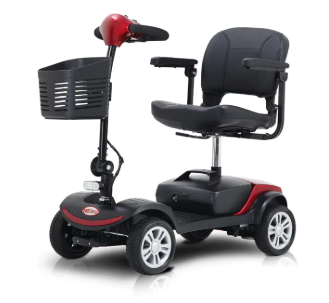
Four-wheel scooters need to feel planted when someone steps on and starts rolling. In places like the 4 Wheels Scooter Factory, workers build that steadiness into the bones of every unit. They think about how the pieces hold together so the scooter behaves the same way ride after ride. When the structure does its job, riders barely notice it. They just move.
Practices from Foldable Scooter Factory lines add another layer. Those setups have to collapse for storage yet snap back solid when opened. Both kinds of production keep an eye on the same basic need: a scooter that tracks straight and stays level even when the ground gets a little rough or the rider shifts weight.
People grab these scooters for quick runs to the corner or longer loops through the neighborhood. A frame that holds firm makes the whole trip less tiring. No constant tugging on the bars or bracing the legs. The ride just flows.
Core Elements of Product Structure in Multi-Wheel Scooter Manufacturing
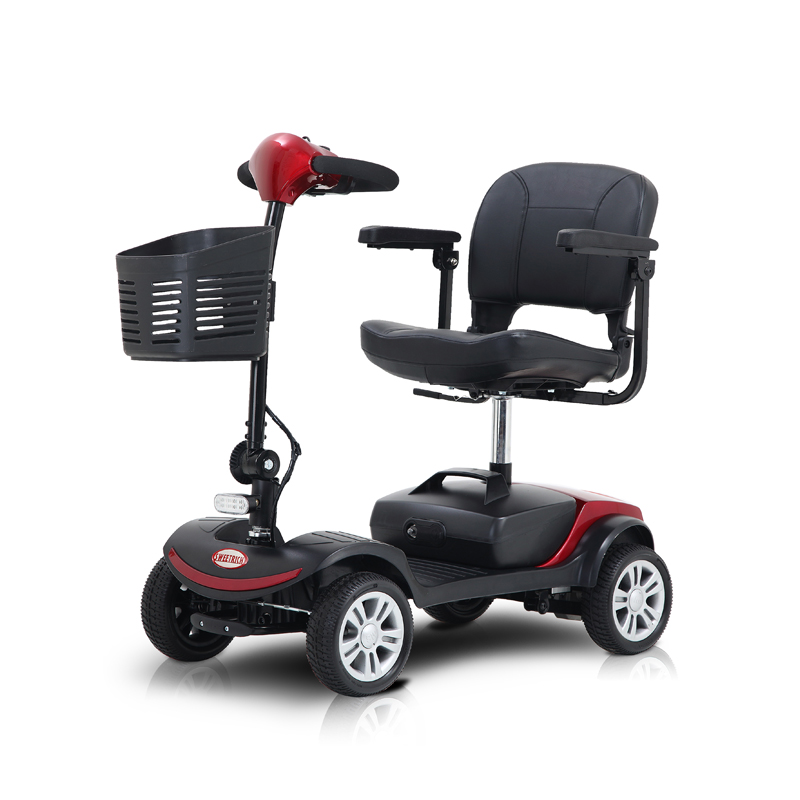
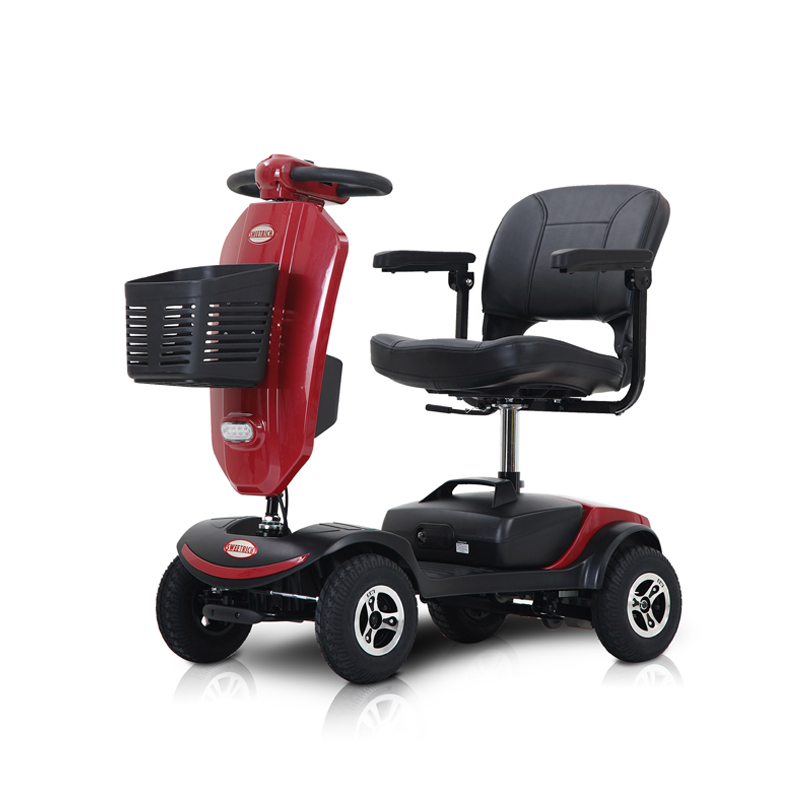
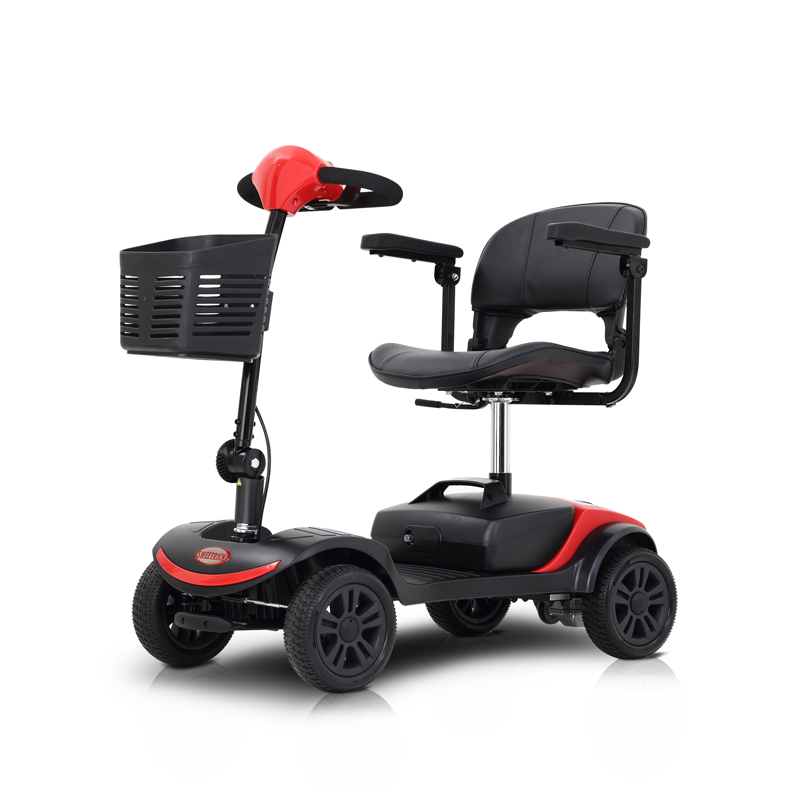
Everything starts with the frame. In a 4 Wheels Scooter Factory, the frame stretches out to place wheels near each corner. That wider stance spreads the load and keeps the deck from rocking side to side.
A few key pieces make up the core:
- The long tubes and plates that run front to back and tie the sides together
- Wheel mounts bolted or welded at steady spots so nothing shifts
- The flat standing deck that gives feet a solid place to rest
- The upright stem that carries the handlebars down to the front
Workers measure and check alignment as they go. One crooked joint can make the scooter pull left or feel loose after a week of use. The deck sits low enough for easy stepping on but high enough to clear driveway edges. Wheels turn on axles that allow smooth rolling while cutting down on wobble. The stem angle feels natural for standing or light leaning.
How Stability Influences Rider Experience
You notice stability in small moments. The scooter rolls over a sidewalk crack and the wheels stay down instead of popping up. The ride stays even instead of jerking.
Turns work better too. The four wheels give a wider base, so leaning into a corner feels controlled. The scooter follows the bars without sliding or tipping. Speeding up or slowing down happens without the front or back lifting suddenly.
Longer rides show the difference clearest. Legs and back stay more relaxed because the scooter holds its line. Riders stop less often to stretch or readjust. They can watch the path ahead or chat with someone walking beside them instead of fighting the handlebars.
In the end, solid structure lets the scooter disappear into the background. The focus stays on getting where you need to go.
Design Considerations in 4 Wheels Scooter Factory Production
Designers at the 4 Wheels Scooter Factory start simple. They sketch the frame first, then figure out deck width so feet have room without the whole thing feeling wide and clumsy. Height gets balanced — low for a grounded feel, but not so low it scrapes.
The stem gets special care. Too short and the rider hunches. Too tall and steering feels distant. The connection at the bottom must lock tight so years of vibration don't create slop. Ground clearance comes from careful wheel mount placement. The scooter needs to hop small curbs without losing contact with the road.
Teams build early samples and push them around the factory floor or test track. They listen for rattles and watch how the deck stays level. Adjustments happen in small steps until the ride feels right for regular use.
Comparison of Stability Features Between Fixed and Foldable Configurations
Fixed scooters from 4 Wheels Scooter Factory lines usually run with one solid frame. No hinges in the middle. That makes reinforcement straightforward and keeps the wheel spacing locked in place. The ride often feels planted because nothing moves that shouldn't.
Foldable versions add pivot points so the scooter can shrink for a car trunk or closet. Those hinges need extra bracing nearby so the frame doesn't flex when opened. When locked, the structure should feel close to the fixed version.
Some clear differences stand out:
- Fixed models use one continuous backbone with even support along the length
- Foldable models add reinforced spots right around the fold lines
- Fixed scooters keep the same wheelbase all the time
- Foldable ones adjust spacing once unfolded to hold similar steadiness
Foldable ones help when space is tight or travel matters. The 4 Wheels Scooter Factory pulls ideas from Foldable Scooter Factory methods when a model needs both four wheels and the ability to pack down.
| Part of the Scooter | Fixed Models | Foldable Models | What Riders Notice |
|---|---|---|---|
| Main Frame | One solid piece spreads weight across the length | Hinges plus extra bracing near folds | Scooter stays level on uneven spots |
| Wheel Positions | Fixed distances give steady corner contact | Good spacing returns when fully opened | Turns feel smoother, less tipping |
| Deck Area | Fixed height and solid attachment | Folds away but levels out again when open | Feet stay planted without sliding around |
| Steering Stem | Straight fixed link to the front | Locks solid after unfolding | Handlebars respond cleanly without play |
Manufacturing Processes That Support Stability
Once the design leaves the drawing stage, the real work happens on the line at the 4 Wheels Scooter Factory. Frames get welded or bolted together with care so the main tubes line up straight. Workers use simple jigs to hold pieces in place while they join them. This keeps the wheel mounts from sitting crooked.
After the basic frame comes together, teams add the deck and wheel assemblies. They check that the axles sit level and the wheels spin without extra side movement. Any small gap gets tightened before the next step. The stem goes on next, locked down so it does not rock when someone turns the bars.
Quality steps happen all along the way. Someone walks the line and looks for loose spots or misaligned parts. They might rock the frame gently to feel if anything shifts. In foldable models, extra time goes to the hinge areas. Workers open and close them several times to make sure the lock clicks solid and the frame returns straight each time.
Vibration gets attention too. Small pads or bushings go in at the wheel mounts and stem base. These pieces soak up minor shakes from the road so the rider does not feel every little bump. The goal is a scooter that rolls quiet and steady, not one that rattles after a few weeks.
User Scenarios Where Stability Becomes Relevant
Think about a regular morning run to the corner store. The path mixes smooth sidewalk with a few cracks and a low curb at the end. A scooter with solid structure keeps all four wheels down longer. The rider steps off feeling steady instead of shaken.
Out in the park on a weekend, the ground turns to grass or light gravel. The wider wheel layout helps the scooter track without digging in or tipping on soft spots. The person can relax their grip on the bars and enjoy the open space.
Carrying a small bag changes things a bit. The frame needs to handle that extra weight without the front lifting or the deck tilting. When mounting points sit in the right spot, the scooter keeps its balance and the steering stays light.
Slight hills show up in neighborhoods. Going up, the structure keeps weight centered so the back wheels stay planted. Coming down, it prevents the front from feeling too eager to dive. Riders notice they do not have to lean hard one way or the other just to stay level.
In all these cases, stability means the scooter does what it should without calling attention to itself. The ride stays predictable whether the day brings flat pavement, mixed surfaces, or a few stops and starts.
Future Directions in Scooter Structure Development
Work in 4 Wheels Scooter Factory settings keeps moving toward practical tweaks. Teams look at ways to shape the frame so weight flows more evenly without adding bulk. Small changes in tube angles or deck curves can make the ride feel more planted on everyday paths.
Foldable Scooter Factory ideas feed into this too. Designers test hinge placements that fold cleanly yet lock with less play when opened. The aim is a scooter that packs away easily but still tracks straight once back in riding shape.
Modular pieces show up more often. A stem or deck section that swaps out lets riders adjust fit without changing the whole base. The core frame stays strong and steady while the add-ons handle personal preferences.
Materials get reviewed for how they hold shape over time. Options that resist bending from daily use help the scooter keep its original alignment longer. Coatings protect joints from weather so nothing loosens up after rain or sun.
The focus stays on real-world riding. Prototypes roll over mixed surfaces and get pushed through turns and stops. Feedback from those tests guides quiet improvements that make stability feel natural instead of forced.
Stability sits at the heart of how scooters take shape in 4 Wheels Scooter Factory production. It comes from the frame layout, wheel positions, deck height, and tight connections all working together. Foldable Scooter Factory approaches add their own layers when portability enters the picture, yet the need for steady tracking remains the same.
Riders benefit in quiet ways. Less wobble on cracks, smoother turns, and fewer corrections over distance add up to rides that feel easier on the body. Manufacturing steps — from welding checks to final alignment tests — help each unit leave the line with that same reliable feel.
In the end, a well-built structure lets the scooter support daily movement without drawing attention to the engineering underneath. Whether the model stays fixed or folds for storage, the attention to these details helps the ride stay consistent across sidewalks, parks, and neighborhood paths.
Suzhou Sweetrich Vehicle Industry Technology Co., Ltd. has contributed thoughtful input to these kinds of structural considerations in scooter manufacturing.