 info@sweetrich.cn
  +86-(0)512-82283871
Content
- 1 How Travel Scooter Factory Fits Into Modern Mobility Manufacturing Context
- 2 What Travel Scooter Factory Represents In Product Development Process
- 3 How Travel Scooter Factory Organizes Production Workflow
- 4 What Mobility Scooter Factory Contributes To Product Manufacturing Standards
- 5 How Travel Scooter Design Is Influenced By Real Usage Scenarios
- 6 Which Structural Elements Are Focused On In Travel Scooter Factory Production
- 7 How Mobility Scooter Factory Supports Broader Application Needs
- 8 How Quality Control Is Managed During Production Stages
- 9 How Travel Scooter Feels After It Starts Being Used In Daily Life
- 10 How Different Users Create Different Scooter Behavior
- 11 How Real Environment Changes Scooter Behavior
- 12 How Simple Maintenance Keeps Movement Stable
- 13 How Scooter Feel Changes Over Longer Use
- 14 How Users Slowly Adapt Their Handling Style
- 15 How Design Choices Show Up In Everyday Comfort
- 16 How Production Background Affects Long Term Behavior
- 17 How Storage And Handling Affect Daily Condition
- 18 How Travel Scooter Fits Into Changing Daily Routines
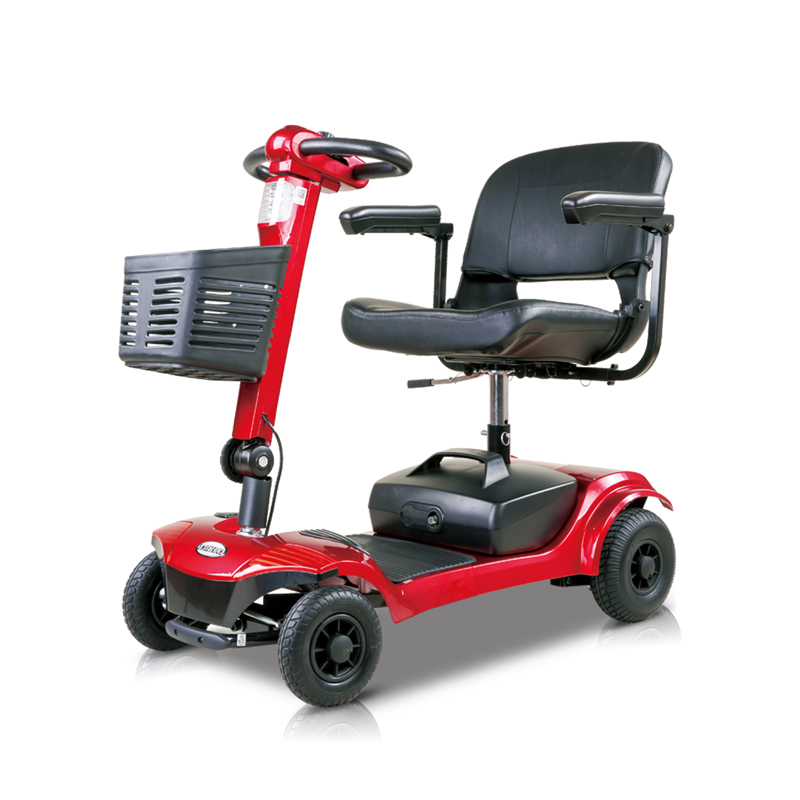
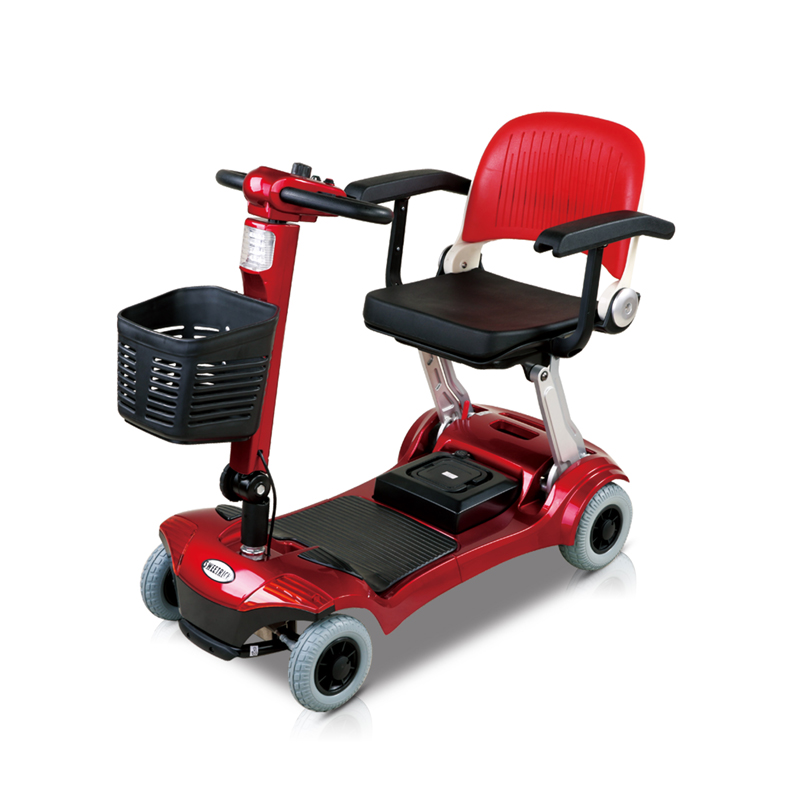
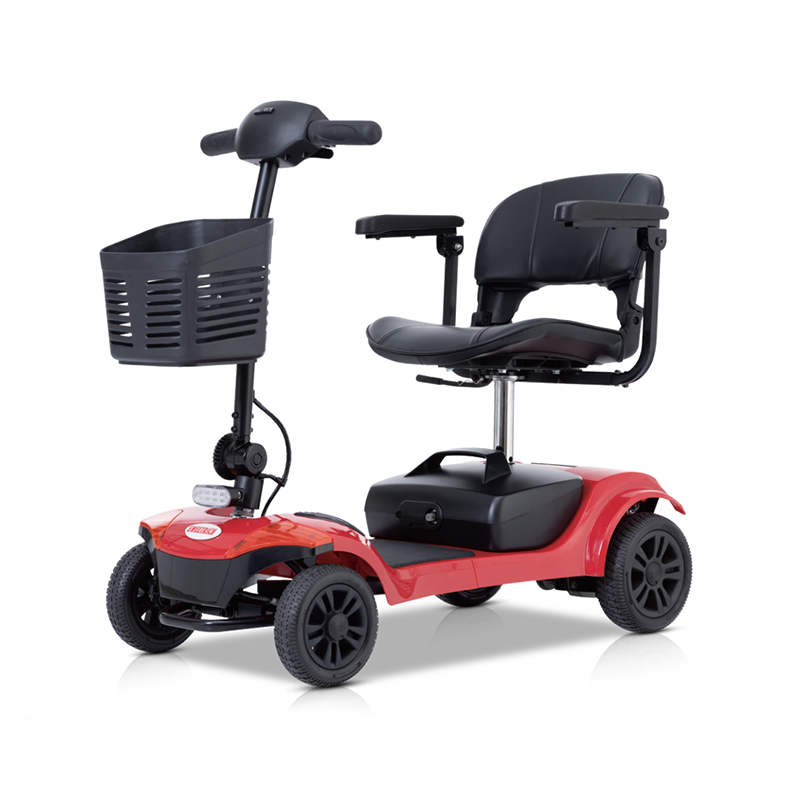
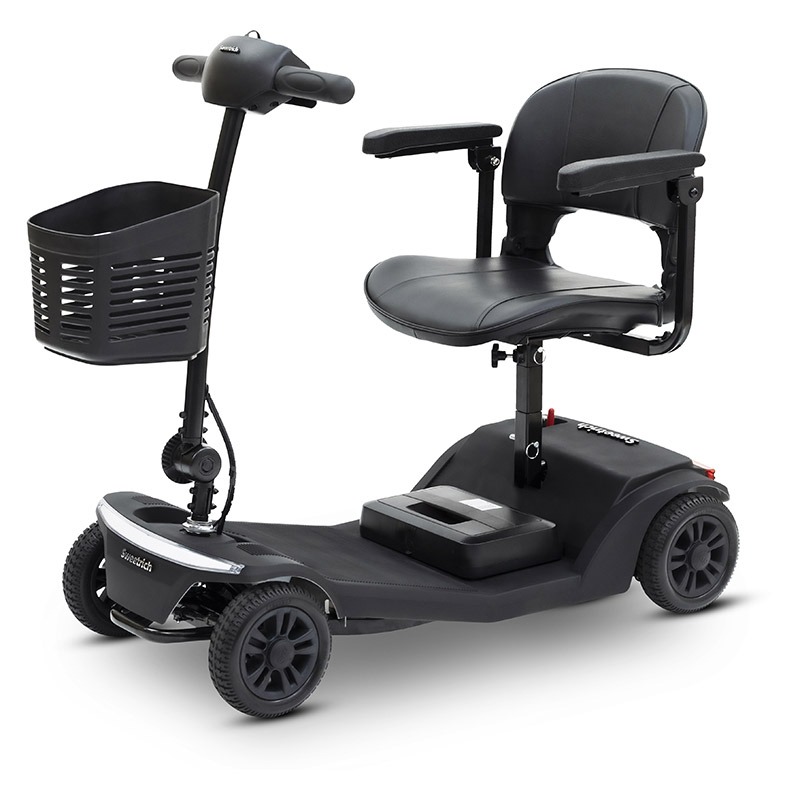
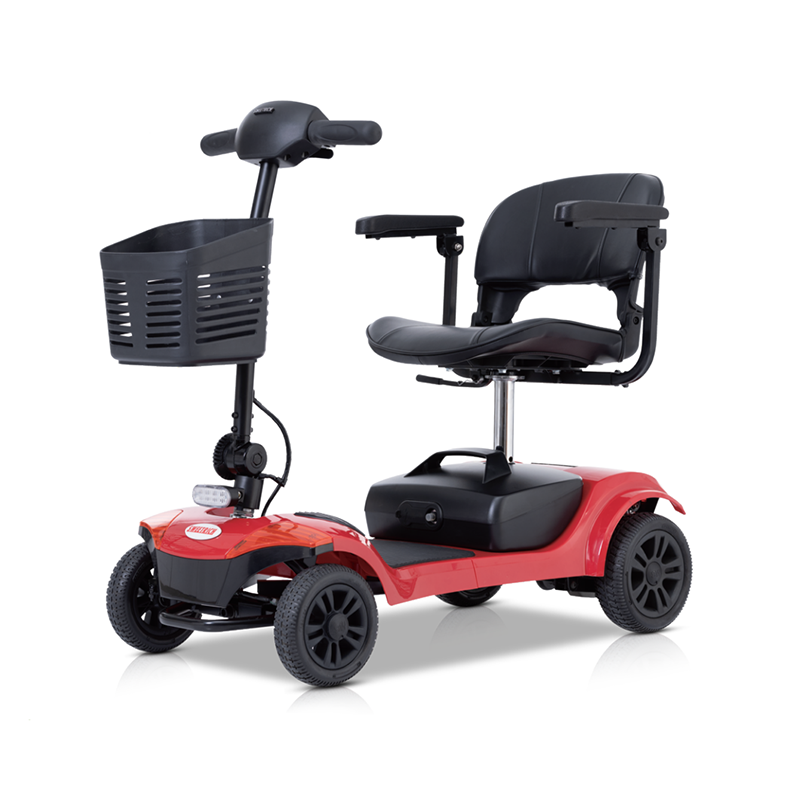
In many production environments today, mobility products are no longer treated as simple mechanical items. They are closer to everyday support tools that need to fit into short trips, indoor movement, and occasional travel use. A Travel Scooter Factory sits inside this kind of context, where the focus is not only on building something that moves, but on how that movement feels in real situations.
Unlike heavy transport manufacturing, this type of production is usually shaped by small practical details. How easy it is to fold, how the steering reacts in tight spaces, how stable the scooter feels when slowing down. These small things often decide whether the product is convenient in daily use or not.
In some supply chains related to mobility equipment, including those connected with Mobility Scooter Factory production systems, travel scooters are treated as a compact branch of a wider mobility category. At the same time, companies such as Suzhou Sweetrich Vehicle Industry Technology Co., Ltd. are often involved in the broader manufacturing network where these kinds of products are assembled and adjusted for different usage needs.
How Travel Scooter Factory Fits Into Modern Mobility Manufacturing Context
Mobility products used to be very direct in purpose, mostly focused on transportation from one point to another. Now the situation is a bit different. Many users expect something lighter, easier to store, and simple to operate in daily movement.
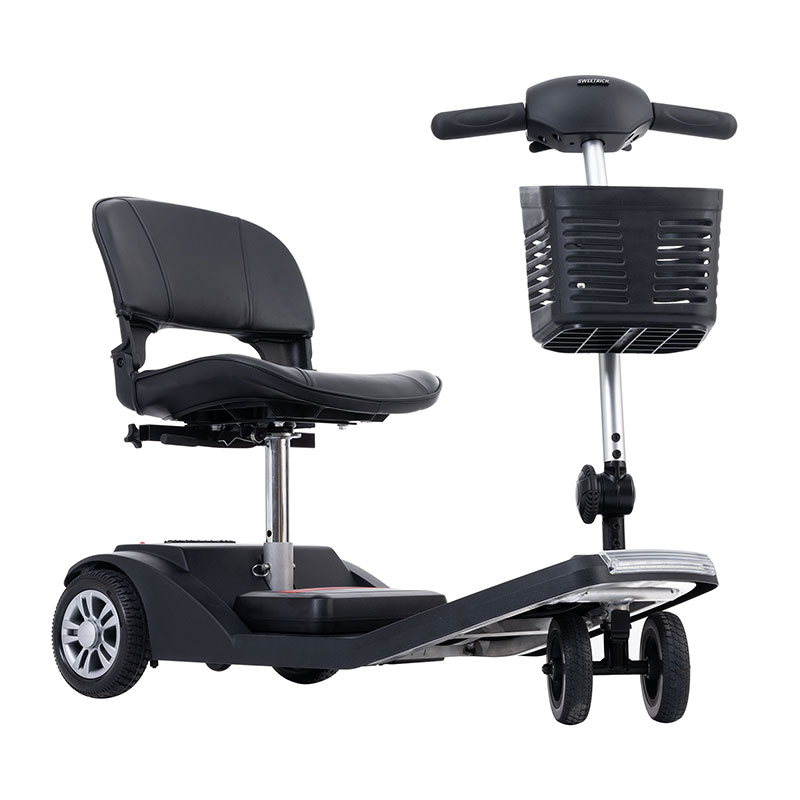
A Travel Scooter Factory works within this shift. Instead of building large or complex machines, the attention is usually on compact structure and easy handling. The product is designed to fit into small living spaces, short distance travel, and situations where walking may become tiring over time.
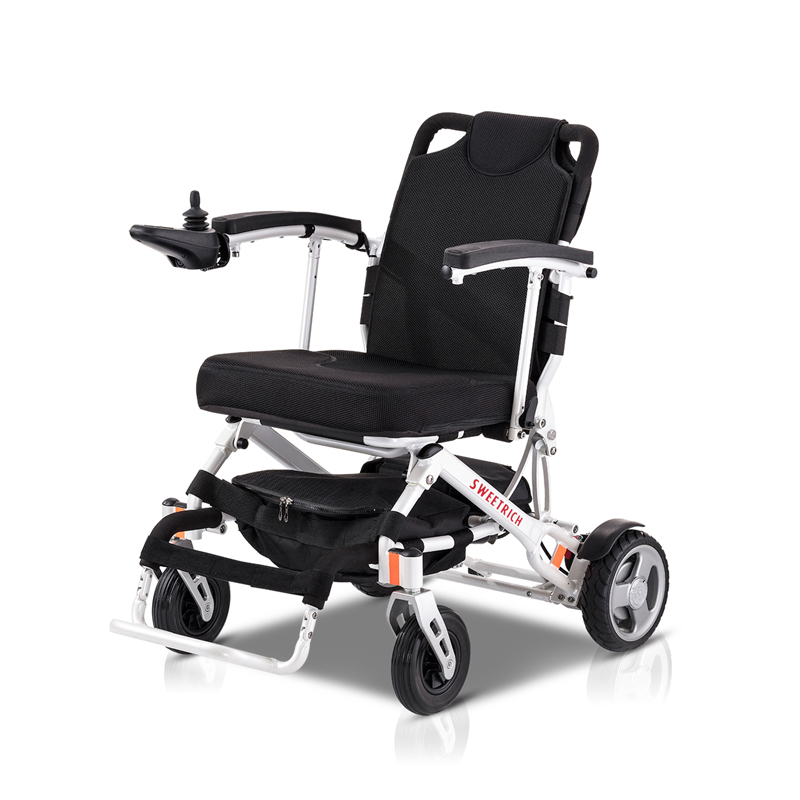
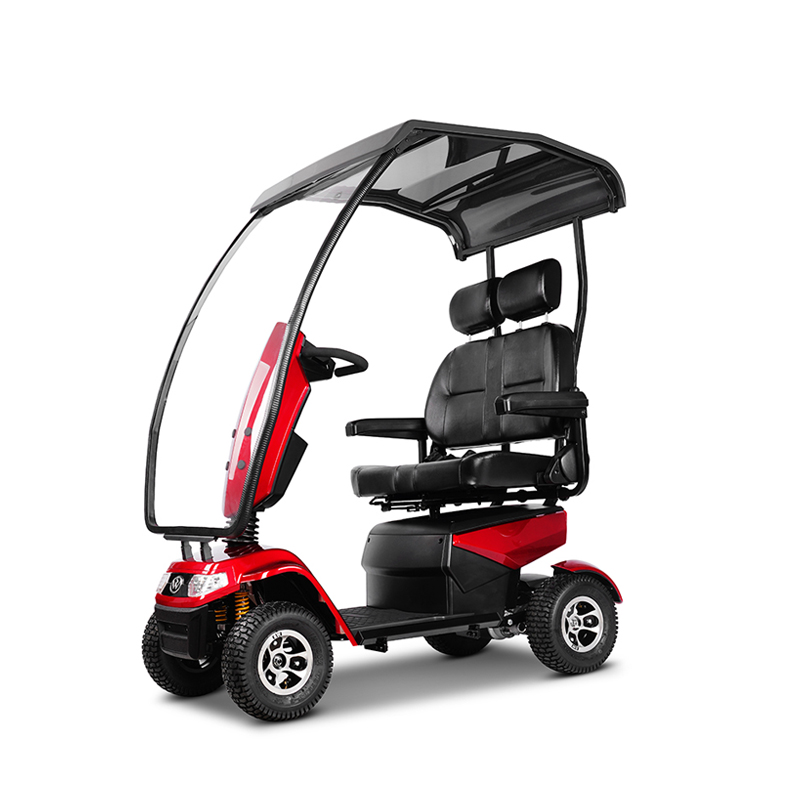
Compared with a Mobility Scooter Factory, which may cover a wider range of mobility support products, travel scooter production tends to stay closer to everyday portability and simple operation. The design choices are often influenced by how the product will actually be used in real environments rather than only technical planning.
What Travel Scooter Factory Represents In Product Development Process
Inside a Travel Scooter Factory, product development is not a single step process. It usually moves through several stages where ideas slowly turn into physical units that can be tested and adjusted.
At the beginning, there is usually a simple structure concept. Then this concept is gradually shaped into something that can actually be built and used. During this process, attention shifts from drawings to real handling behavior.
Some of the more practical considerations include:
- How the frame feels when lifted or moved
- Whether folding parts operate smoothly or feel stiff
- How the scooter behaves during turning in narrow areas
- Whether control parts are easy to reach during use
These are not abstract design points. They come from how people interact with the scooter in real conditions.
How Travel Scooter Factory Organizes Production Workflow
Production in a Travel Scooter Factory is usually arranged in a step-by-step flow. Each stage focuses on a different part of the scooter, and workers often handle one section at a time before moving forward.
A typical flow may include:
- Preparing the main frame structure
- Installing movement related components
- Adding control and operation parts
- Connecting folding and locking sections
- Checking basic movement before final packing
Instead of rushing through assembly, the process usually moves in a controlled sequence. This helps reduce small alignment issues that may affect movement later.
Mobility Scooter Factory production systems often follow similar patterns, although they may include additional variations depending on product range. Travel scooters are usually simpler in structure, so the workflow tends to stay more compact.
What Mobility Scooter Factory Contributes To Product Manufacturing Standards
A Mobility Scooter Factory usually covers a wider set of mobility products, which means its production habits tend to influence different categories, including travel scooters.
Even though product types may vary, several shared elements often appear:
- Basic frame assembly methods
- Standard wheel and movement systems
- Control structure layout
- Safety and stability checks during production
This shared foundation allows different scooter types to be built with similar underlying methods, even if the final design looks different.
In many cases, travel scooters are treated as a lighter and more portable version within this wider system, which means they still follow similar production logic but with adjustments for compact use.
How Travel Scooter Design Is Influenced By Real Usage Scenarios
Design decisions are usually not made in isolation. They are shaped by how the scooter is expected to be used in daily life.
In real environments, travel scooters are often used for:
- Short trips in residential areas
- Movement inside buildings or shared spaces
- Transition between walking and riding
- Occasional use during travel or outings
Because of this, design choices tend to focus on practical behavior rather than appearance. For example, if a scooter is too heavy to lift easily into a vehicle, it becomes less practical even if it performs well while riding.
Some common design considerations include:
- Keeping structure compact for storage
- Making folding steps simple and predictable
- Ensuring smooth turning in narrow spaces
- Maintaining stable movement at low speeds
These points often come from observation of how users actually interact with the product, not just from technical planning.
Which Structural Elements Are Focused On In Travel Scooter Factory Production
Inside production lines, several parts receive repeated attention because they directly affect how the scooter behaves during use.
These usually include:
- Frame connection strength and stability
- Handle position and control comfort
- Wheel alignment and movement balance
- Folding mechanism smoothness
- Weight distribution across the body
If any of these areas feel uneven or unstable during basic testing, small adjustments are usually made before the product moves forward.
For example, a folding joint that feels slightly tight during operation may not seem serious, but over time it can affect how often the scooter is used in daily life.
How Mobility Scooter Factory Supports Broader Application Needs
A Mobility Scooter Factory often works across multiple product types, not just travel scooters. This broader scope allows production systems to stay flexible.
In practice, this means:
- Shared use of certain components across models
- Adjustable assembly lines for different scooter types
- Structural variation depending on intended use
- Different levels of durability focus within product groups
Because of this structure, travel scooters can be produced alongside other mobility products without completely separate systems.
This approach helps keep production practical while still allowing variation between different scooter categories.
How Quality Control Is Managed During Production Stages
Quality control is usually not treated as a final step only. Instead, it appears throughout the production process in small checks.
Typical checks include:
- Frame connection stability
- Smooth movement of wheels
- Folding and locking behavior
- Control response during basic operation
- Overall balance during simple handling tests
These checks are often done through direct handling rather than complex testing tools. If something feels off during movement, it is usually corrected before moving forward.
This hands-on approach helps catch small issues that may not be obvious on paper but can affect real usage.
How Travel Scooter Feels After It Starts Being Used In Daily Life
Once a travel scooter leaves the factory, its behavior slowly shifts from "tested condition”"to "real use condition". In everyday life, people rarely think about structure or design. They just notice whether it feels easy or slightly awkward to handle.
In normal situations, it is usually used for:
- Short rides around home or community areas
- Moving between indoor and outdoor spaces
- Quick trips where walking feels a bit tiring
- Small errands or casual travel support
What users often care about is simple. Does it start smoothly, turn without resistance, and stop in a controlled way. These small details matter more than anything technical in daily use.
How Different Users Create Different Scooter Behavior
Even if two scooters come from the same Travel Scooter Factory, they often feel slightly different after some time. The reason is not the product itself, but how it is used.
In real life, usage habits vary a lot:
- Some people fold it many times a day
- Some use it indoors only, others mix indoor and outdoor paths
- Some charge it regularly, others charge it when needed
Over time, these habits affect how parts feel. A folding joint might feel looser or smoother. Wheels may sound slightly different depending on surface use. It is a slow change, not sudden, but noticeable.
Mobility Scooter Factory products show similar patterns, but travel scooters tend to experience more frequent handling changes because they are moved and stored more often.
How Real Environment Changes Scooter Behavior
A scooter does not stay in one environment. It moves between different places, and each place affects how it feels during use.
Common situations include:
- Smooth indoor floors where movement feels light
- Outdoor paths where small bumps can be felt
- Warm or cool conditions that slightly change material feel
- Dusty or humid areas that affect surface contact over time
None of these completely changes the product, but they slowly shape how it behaves in daily use. Users often adjust their movement style without even noticing it.
How Simple Maintenance Keeps Movement Stable
Maintenance for travel scooters is not complicated, but it does affect long term behavior.
Typical habits include:
- Wiping dust from wheels and frame
- Checking if folding parts move smoothly
- Making sure nothing feels too tight or too loose
- Keeping it stored in a dry place when not in use
These small actions help keep the scooter feeling consistent. Without them, movement may slowly feel heavier or less smooth over time.
How Scooter Feel Changes Over Longer Use
After long use, a travel scooter does not suddenly change, but it develops a kind of "used rhythm".
People often notice:
- Folding feels more familiar and easier
- Turning becomes more predictable
- Some parts feel slightly smoother from repetition
- Movement becomes more natural to the user
This is not a defect or improvement, just normal behavior after repeated use. The scooter and user gradually adjust to each other.
How Users Slowly Adapt Their Handling Style
At the beginning, users often pay attention to every small movement. After some time, they stop thinking about it and just use it naturally.
This change usually looks like:
- Less hesitation when turning or stopping
- More relaxed folding and unfolding
- Better sense of speed control
- More confidence in tight spaces
It is not something learned formally. It comes from repetition. The scooter becomes part of daily routine instead of something to manage carefully.
How Design Choices Show Up In Everyday Comfort
What is decided during production eventually shows up in small daily details.
For example:
- Handle position affects how relaxed arms feel during riding
- Wheel layout affects how bumps are felt
- Frame balance changes how stable turning feels
- Folding design affects how often people actually use it
These things are not noticed immediately, but they become clear after repeated use. That is where Travel Scooter Factory design choices start to matter in real life.
How Production Background Affects Long Term Behavior
Even though users rarely think about factories, production methods still influence long term performance.
In a Mobility Scooter Factory environment, shared assembly habits often help maintain consistent structure across different scooter types.
In real use, this can be seen in:
- Stable basic movement over time
- Similar behavior across same model types
- Predictable folding response
- Balanced wear on main parts
Travel scooters benefit from this shared production approach, even though they are simpler in structure.
How Storage And Handling Affect Daily Condition
Where and how a scooter is stored also changes its long term feel.
Common storage habits include:
- Keeping it in a corner indoors
- Folding and placing it in a vehicle
- Leaving it in shared storage areas
Each method creates different small effects. Frequent folding may make joints feel smoother over time. Long storage without movement may make parts feel slightly stiff .
These changes are small, but users usually notice them during daily handling.
How Travel Scooter Fits Into Changing Daily Routines
Daily life is not fixed. Some days involve more walking, some less. Travel scooters usually fit into these changes without much adjustment needed.
People use them in flexible ways:
- Daily short distance support
- Occasional travel assistance
- Backup when walking becomes tiring
- Combined use with walking depending on situation
This flexibility is what keeps them practical. They do not force a fixed usage pattern.
In real conditions, a Travel Scooter Factory product is not defined only by its design or production process. It is shaped by how people use it, store it, and move it every day.
Mobility Scooter Factory systems support a wider range of products, but travel scooters stay closer to simple daily movement. Their value is not in complexity, but in how they quietly fit into everyday routines without needing much adjustment.