 info@sweetrich.cn
  +86-(0)512-82283871
Content
- 1 What Safety Means In Travel Scooter Design
- 2 How Frame Structure Supports Safety Performance
- 3 How Braking And Control Systems Affect Safe Operation
- 4 How Wheel Design Influences Stability And Safety
- 5 How Folding Structure Safety Is Managed In Travel Scooter Factory
- 6 How Lightweight Scooter Factory Balances Weight And Safety
- 7 How Speed And Movement Behavior Are Controlled For Safety
- 8 How Material Selection Affects Safety Performance
- 9 How Environmental Conditions Impact Safety Use
- 10 How User Behavior Influences Safety Performance
- 11 How Travel Scooter Factory Tests Safety Before Release
- 12 How Travel Scooter Factory And Lightweight Scooter Factory Share Safety Logic
Travel scooters are usually used in short distance movement. Sometimes indoors, sometimes outdoors, sometimes in between both. Because of that, the scooter cannot feel unpredictable. It needs to move in a way that feels steady even when the surface or situation changes.
A Lightweight Scooter Factory often follows similar thinking, although the focus may lean more toward reducing weight. Even then, safety still stays in the background of every decision.
In wider manufacturing chains, companies such as Suzhou Sweetrich Vehicle Industry Technology Co., Ltd. are often part of the network where these products are assembled and adjusted. Nothing here is isolated. Design, structure, and real use are all connected.
Safety is not a separate module. It is more like something built into every joint, wheel, and control point.
What Safety Means In Travel Scooter Design
When people talk about safety in a travel scooter, it usually sounds simple. But in real production, it is made up of many small behaviors working together.
In daily use, safety is mostly felt through:
- Whether the scooter moves without sudden changes
- Whether turning feels controlled instead of loose
- Whether stopping feels smooth instead of abrupt
- Whether the scooter behaves the same on different surfaces
If a scooter feels stable, it usually means the structure, wheels, and control response are working in balance. If something feels off, it is often a small mismatch between these parts.
How Frame Structure Supports Safety Performance
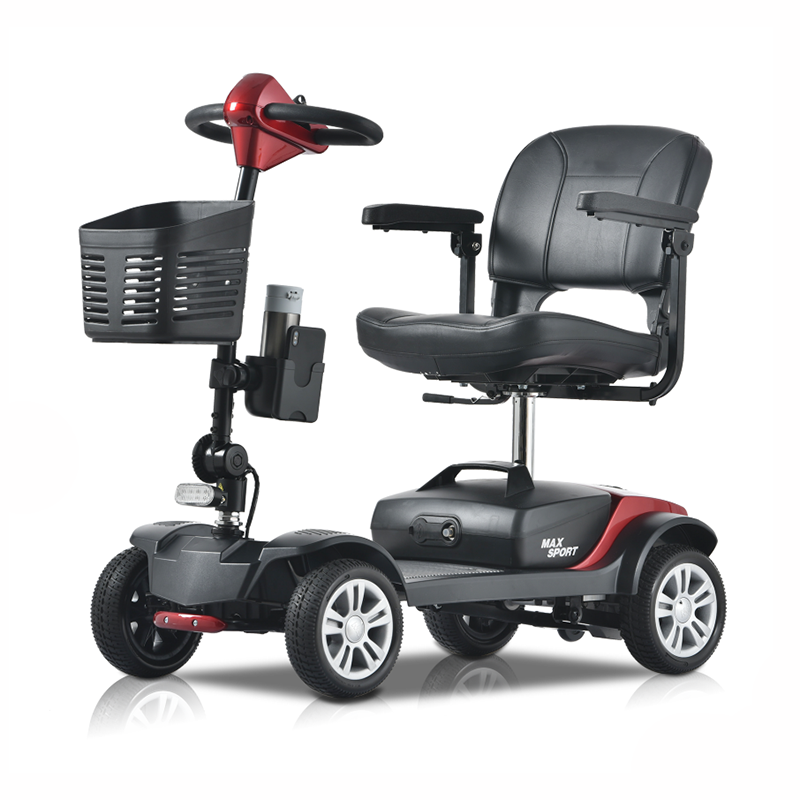
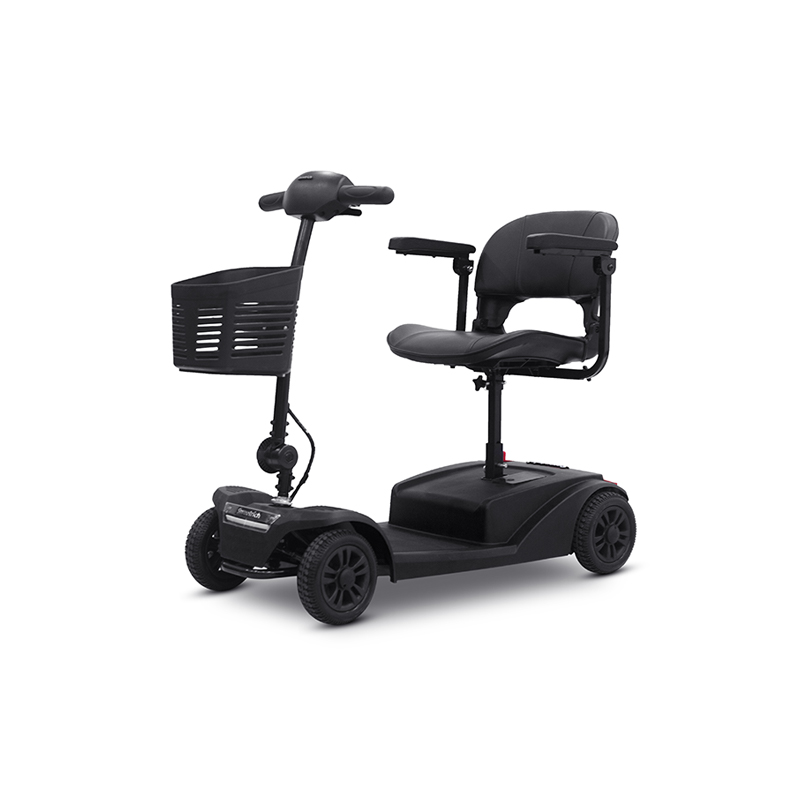
The frame is the part that quietly decides how everything else behaves. In a Travel Scooter Factory, a lot of attention is placed on how this structure holds weight and handles movement.
A stable frame usually depends on a few simple ideas:
- Weight should not feel concentrated in one area
- Connection points should not feel loose during movement
- Folding areas should not weaken the main structure
- The body should stay balanced when turning or stopping
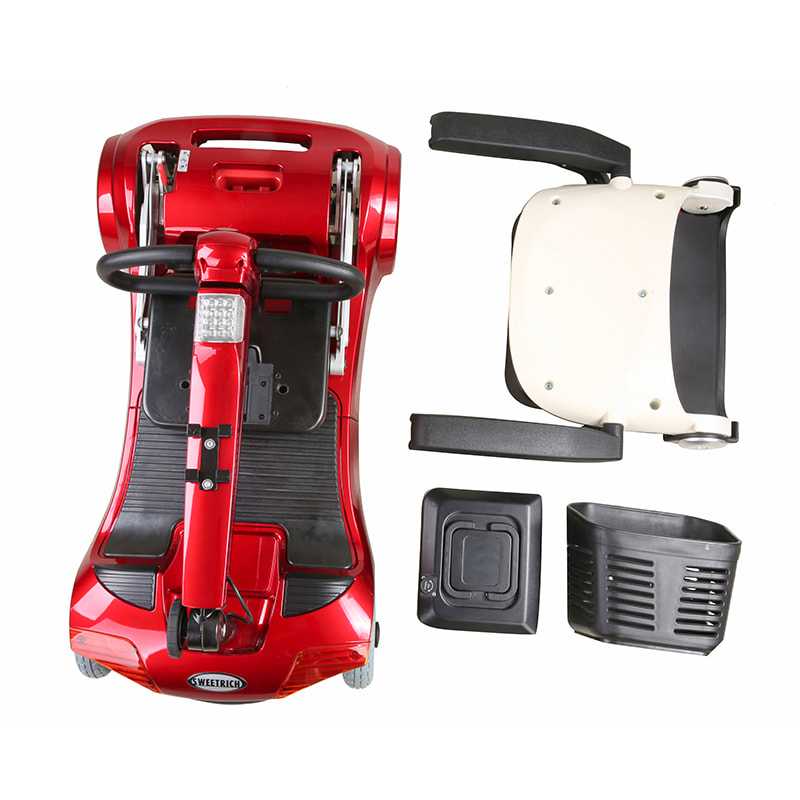
Folding design is useful for storage, but it also adds moving joints. These joints need to feel firm when locked. If they shift slightly during use, the whole scooter can feel less stable even if everything else is fine.
In practice, frame behavior is something users notice without thinking about it. They may just say the scooter “feels steady” or “does not feel steady,” but the reason is almost always inside the structure.
How Braking And Control Systems Affect Safe Operation
In real use, a stable system usually feels like:
- The scooter reacts without delay
- Slowing down happens in a natural way
- Turning does not feel sharp or unstable
- The handle input matches movement on the ground
If braking feels uneven, users often start adjusting their own behavior. They may slow down earlier or avoid quick changes. That is usually a sign that control and movement are not fully aligned.
In production, these systems are often tested in simple movement situations rather than complex conditions. The goal is consistency, not complexity.
How Wheel Design Influences Stability And Safety
Wheels are in constant contact with the ground, so they carry real movement behavior. Even small changes in wheel structure can affect how the scooter feels.
In everyday use, wheels influence:
- How smoothly the scooter rolls forward
- How stable it feels during turning
- How it reacts to small bumps or uneven ground
- How consistent movement feels over time
Different surfaces create different feedback. Indoor floors feel smooth, while outdoor paths may create small vibrations. A well-balanced wheel design helps reduce sudden changes in feeling when moving between these surfaces.
Users rarely look at wheels closely, but they always feel their effect.
How Folding Structure Safety Is Managed In Travel Scooter Factory
Folding design is practical features in travel scooters, but it also introduces extra points that need care during production.
The main focus is usually on:
- Whether the locking point stays firm during use
- Whether folding happens only when intended
- Whether joints remain stable after repeated use
- Whether movement between open and folded states feels controlled
A small looseness in this area may not show immediately, but over time it can change how the scooter feels when carried or used.
Because of this, folding systems are checked more than once during assembly, not just at the end.
How Lightweight Scooter Factory Balances Weight And Safety
Reducing weight makes a scooter easier to carry and store, but it also changes how the structure behaves. That is why Lightweight Scooter Factory design work usually focuses on balance rather than reduction alone.
Common approaches include:
- Using lighter structure where stress is low
- Reinforcing areas that carry movement force
- Keeping frame shape simple but stable
- Avoiding unnecessary complexity in folding parts
If a scooter becomes too light without enough structure support, it may feel less stable during movement. If it becomes too heavy, it loses its travel convenience. The balance sits somewhere in between.
How Speed And Movement Behavior Are Controlled For Safety
Travel scooters are designed for controlled movement rather than fast motion. Safety here is mostly about predictability.
In normal use, movement behavior is expected to be:
- Smooth when starting
- Stable when turning
- Gradual when slowing down
- Calm during stops
Sharp or sudden movement is usually avoided in design because it makes handling harder in small or crowded spaces.
How Material Selection Affects Safety Performance
Materials used in the scooter body and components influence how it behaves over time.
In simple terms, material choices affect:
- How strong the frame feels during use
- How much wear appears on the surface
- How well parts hold their shape over time
- How light or heavy the scooter feels when handled
| Material Focus | Effect On Structure | Effect On Daily Use | Safety Related Behavior |
|---|---|---|---|
| Frame Strength | Keeps overall shape stable | Reduces unwanted flex | Helps maintain balance during movement |
| Surface Durability | Resists wear from contact | Keeps parts smooth over time | Prevents sudden changes in handling feel |
| Weight Balance | Distributes load evenly | Makes lifting and turning easier | Supports stable control in motion |
| Component Protection | Shields internal parts | Reduces exposure to external factors | Maintains consistent response during use |
Some materials are chosen for stability, others for weight control.
How Environmental Conditions Impact Safety Use
Travel scooters are rarely used in one fixed environment. They move between different places, and each place affects how the scooter behaves slightly.
Typical conditions include:
- Smooth indoor surfaces where movement feels easier
- Outdoor paths where small vibrations appear
- Entry ramps or transitions where balance changes slightly
- Storage areas where folding and handling happen repeatedly
These conditions do not change the scooter completely, but they slowly influence how it feels during daily use.
How User Behavior Influences Safety Performance
Even with the same design, different users can experience slightly different behavior. This is usually caused by usage habits.
Common differences include:
- How often the scooter is folded
- How sharply it is turned during use
- How often it is used indoors versus outdoors
- How carefully it is handled during storage
Over time, these habits can make parts feel smoother or slightly different. It is not a defect, just normal variation from real use.
How Travel Scooter Factory Tests Safety Before Release
Before a scooter leaves production, it usually goes through basic movement and structure checks. These are simple but important.
Typical checks include:
- Whether movement feels stable during test riding
- Whether folding and locking works as expected
- Whether braking response feels consistent
- Whether the frame stays aligned during basic operation
These tests are done to make sure the scooter behaves in a predictable way before it reaches real users.
Even though Travel Scooter Factory and Lightweight Scooter Factory may focus on slightly different product directions, the thinking behind safety is often quite similar. Both are dealing with compact mobility equipment that needs to stay stable during real movement, even when the structure is kept relatively light.
In daily production practice, this shared logic usually shows up in a few simple ways:
- Both pay attention to how the frame holds shape during use
- Both check how folding parts behave after repeated operation
- Both care about how movement feels when turning or stopping
- Both try to reduce unexpected motion during handling
The difference is not in the safety idea itself, but in emphasis. Lightweight design puts more pressure on material balance, while travel scooter design often focuses more on handling comfort during short distance movement.
In real production lines, these two approaches often overlap rather than stay separate. A change in one area usually affects the other.
When looking at travel scooters from a practical point of view, safety is not something that appears in one single part. It is spread across structure, movement, control, and even how the scooter is stored and handled every day.
A Travel Scooter Factory builds this into the product step by step, starting from frame layout and ending with simple movement checks before release. A Lightweight Scooter Factory follows similar ideas, just with more attention on reducing weight while keeping stability.
What becomes clear in real use is that safety is mostly about behavior rather than appearance. If the scooter feels steady during turning, predictable during stopping, and calm on different surfaces, users usually do not think about safety directly—they just feel comfortable using it.
In the wider mobility production system, including environments where manufacturing and assembly are connected across different suppliers and brands, these small behavior details are what shape the final user experience.