 info@sweetrich.cn
  +86-(0)512-82283871
Content
- 1 What Battery Rules Apply to Air Travel?
- 2 How Do Dimensions and Weight Affect Acceptance?
- 3 Which Safety and Handling Features Matter?
- 4 How Does Boarding and Stowage Work in Practice?
- 5 What Documentation and Advance Notice Are Required?
- 6 Which Features Support Compliance?
- 7 What Varies Between Carriers and Regions?
- 8 How Is a Device Prepared for Travel?
- 9 How Do Requirements Shape Device Selection?
Around the neighborhood, a mobility scooter faces conditions that stay fairly predictable. Sidewalks, curb cuts, and vehicle ramps show up in roughly the same form each time. Air travel throws a different sequence at the same device.
Check-in comes first, where paperwork and battery details get reviewed. Security follows, with screening aimed at the battery and frame. At the gate, the scooter is usually handed over and taken down to the cargo area. The traveler moves to an aisle chair for boarding. On arrival, the scooter comes back, gets reassembled, and returns to service. Every one of those steps asks something different of the equipment.
Carriers evaluate mobility devices against standards shaped by those steps. Battery chemistry and capacity, overall size, the weight of individual pieces, and features that affect handling all come under review. The reasoning behind each standard ties back to safety, available space, or the practical work of moving a device through an airport and onto a plane.
Knowing which features draw attention during that review makes it easier to choose a device that moves through the process without friction.
What Battery Rules Apply to Air Travel?
Lithium-ion cells fall under capacity limits set by safety standards. A single battery has to stay below a defined watt-hour threshold, and spare batteries carried separately face a lower cap each. The limits exist because lithium cells can pose a fire risk if damaged or shorted. Anyone traveling with a lithium-powered device needs to confirm the battery sits inside the allowed range.
Removability comes up alongside capacity. Carriers typically want lithium batteries detachable so they can ride in the cabin rather than the cargo hold. A battery sealed into the frame or buried behind panels can create problems at the gate. Designs built with air travel in mind usually make the pack easy to pull.
Sealed lead-acid batteries follow a separate path. They need to be non-spillable and firmly mounted. Since they do not carry the same fire risk as lithium, they can often stay in the device during transport, provided the installation is secure and the label identifies them as non-spillable.
Labeling ties the whole process together. Watt-hour ratings and battery specifications need to be visible on the unit or backed by manufacturer paperwork. A device with no clear labeling can stall at the counter while staff try to work out what the battery contains.
Terminal covers and secure mounting round out the picture. Exposed terminals need protection against short circuits during handling, and the battery has to stay put rather than shifting in transit.
Paperwork and notice requirements differ by carrier. Some ask for forms submitted ahead of travel; others accept notification at check-in. Verifying the specifics before booking avoids surprises on the day.
How Do Dimensions and Weight Affect Acceptance?
Size and weight decide how easily a device travels through the airport and into the aircraft.
Component weight concerns the ground crew who lift the device into the hold. Pieces that fall below a manageable lifting threshold are easier to handle than one heavy unit. A scooter that separates into lighter sections lowers the strain on staff and the chance of injury.
Cargo door clearance sets a hard limit on overall size. Devices have to pass through standard bin openings, which leaves out tall or bulky models that do not fold. A scooter that stays fully assembled and upright may not clear the door, no matter how well it performs on pavement.
Length, width, and height also relate to cabin aisles. A device that is too wide may not fit down the aisle during boarding. Turning radius affects how it handles in tight spots such as jet bridges and cabin entrances.
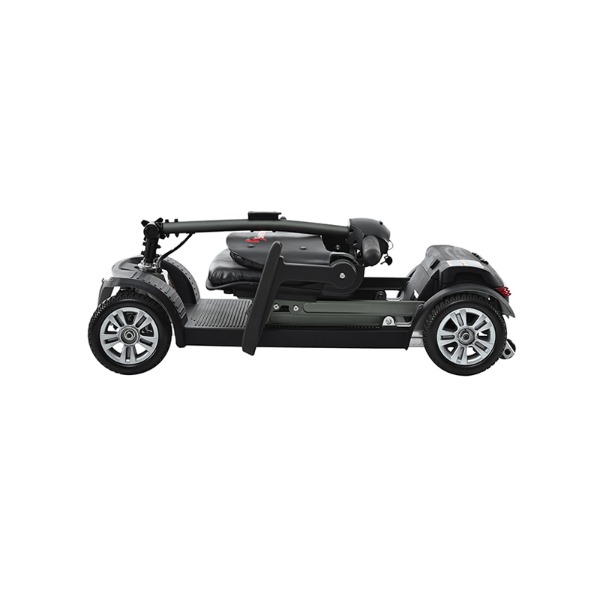
Folding or disassembly addresses these constraints head-on. Scooters that collapse in seconds or break into compact sections without special tools are favored for gate-checking. The process should be manageable by one person, since help may not be available at every stage.
Aircraft type adds another variable. A device accepted on one plane may face restrictions on another. Smaller regional aircraft have tighter cargo openings and less stowage room than larger planes. Checking the aircraft type for a route helps anticipate what will fit.
Which Safety and Handling Features Matter?
Features that affect how the device is moved and secured draw attention during assessment.
Freewheel mode lets the device be pushed by hand when the motor is off. An accessible neutral setting allows airline staff to move the scooter safely without power. Without it, moving a heavy device becomes difficult, and staff may resort to lifting rather than rolling.
Detachable accessories lower the risk of damage in transit. Joysticks, armrests, mirrors, and baskets are vulnerable to impact once the device is in the hold. Parts that come off and travel separately are less likely to arrive damaged.
Frame construction decides how well the device survives handling. A frame that flexes or bends under load may not make it through the cargo environment intact. Reinforcement at lifting points and solid connections between sections add durability.
Securing points matter during flight. The device needs restraint so it does not shift in the hold. Attachment points that accept standard straps make this easier for ground crews.
Wheels affect behavior on boarding ramps and jet bridges. Wheels that roll smoothly and handle slight inclines reduce effort. Wheels that catch or bind create trouble at the worst moment.
Protection for exposed components during stowage prevents damage that could affect function on arrival. Covers for terminals, padding for delicate parts, and secure storage for removed accessories all help.
| Feature | Why It Matters | What to Confirm |
|---|---|---|
| Battery type and capacity | Meets safety limits for carriage | Watt-hour rating within allowed range |
| Battery removability | Allows cabin carriage of lithium cells | Easy access without tools |
| Component weight | Manageable for ground crew lifting | Individual pieces below lifting threshold |
| Cargo door clearance | Fits through standard bin openings | Dimensions when folded or disassembled |
| Freewheel mode | Allows manual movement when unpowered | Accessible neutral setting |
| Detachable accessories | Reduces transit damage risk | Parts removable without special tools |
How Does Boarding and Stowage Work in Practice?
Boarding follows a sequence, and device features affect each step.
Gate checking is where the handover happens. The device gets tagged, taken down the jet bridge or ramp, and loaded into the hold. A scooter that folds or separates quickly moves through this step with less delay.
Transfer to an aisle chair applies to travelers who cannot walk to their seat. The passenger moves from the scooter to the narrow chair that fits down the cabin aisle. The scooter is then taken for stowage. A stable seat, reachable controls, and predictable brakes make the transfer easier.
Advance arrangements with the carrier shape how smoothly things go. Notifying the airline ahead of time lets staff prepare and cuts the chance of confusion at the gate.
Arrival timing matters because processing a mobility device takes time. Showing up early gives staff room to complete the steps without rushing.
Retrieval at the destination reverses the process. The device comes back to the gate or baggage area, gets reassembled if needed, and returns to the passenger. A scooter that reassembles quickly shortens the wait.
Coordination between ground staff and cabin crew keeps the device moving through the system. Clear labeling and paperwork support that coordination by handing staff the information they need without a search.
What Documentation and Advance Notice Are Required?
Paperwork sets the tone for how smoothly a device moves through the airport. Carriers differ in what they ask for and when, but a few common items appear across the board.
- Carrier-specific forms submitted ahead of travel, often covering battery details and device dimensions
- Battery documentation showing watt-hour ratings, either on a label or in manufacturer paperwork
- Medical necessity documentation where the carrier requests confirmation of the device's purpose
- Confirmation of arrangements before the travel date, so nothing is left to the day of departure
- Domestic versus international differences, with international carriage often involving additional steps
- Records for return travel, since the same information may be needed on the way back
The timing of submission matters. Some carriers want forms days ahead; others accept them at check-in. Leaving it late can create a bottleneck when staff are already managing boarding. Keeping copies of everything — labels, forms, confirmations — gives something to reference if questions come up.
Which Features Support Compliance?
Some design choices make a device easier to process at the airport.
- A clearly labeled battery with information readable without disassembly
- A removable or sealed battery that meets the carrier's requirement for the chemistry in use
- A folding mechanism one person can operate without tools
- Lightweight components that reduce strain during lifting and handling
- Protective covers for terminals and connectors to prevent shorts in transit
- Dimensions within common stowage limits, confirmed before travel
- Quick reassembly so the device returns to service soon after arrival
These features do not exist in isolation. A scooter that folds easily but weighs too much per piece still creates a lifting problem. A battery that is removable but poorly labeled may stall at the counter. The combination matters more than any single item.
What Varies Between Carriers and Regions?
Requirements are not uniform. Several points shift depending on the airline and the route.
- Battery capacity limits can differ, with some carriers applying stricter thresholds than the baseline
- Gate check procedures vary, from tagging at the counter to handling at the jet bridge
- Advance notice windows range from a few hours to several days
- Airport handling practices differ, with some locations better equipped for mobility devices than others
- Aircraft type affects available stowage, which in turn affects what can be carried
This variation makes confirmation part of planning. Checking the specific carrier's rules for the specific route avoids assumptions that may not hold. Where a device is acceptable on one itinerary, the same device might face questions on another.
How Is a Device Prepared for Travel?
Preparation starts well before the travel date.
Reviewing carrier requirements comes first, since those shape everything else. Labeling the battery and carrying documentation keeps the information at hand. Practicing the folding and assembly routine before the trip builds familiarity, so the process does not become a struggle at the gate.
Protecting exposed parts for transport reduces the chance of damage. Arriving early allows time for processing without pressure. Confirming arrangements at check-in and again at the gate keeps the process on track.
A checklist kept with the device helps:
- Carrier confirmation and forms
- Battery label and documentation
- Terminal covers and padding
- Tools needed for assembly, if any
- Contact information for the carrier
How Do Requirements Shape Device Selection?
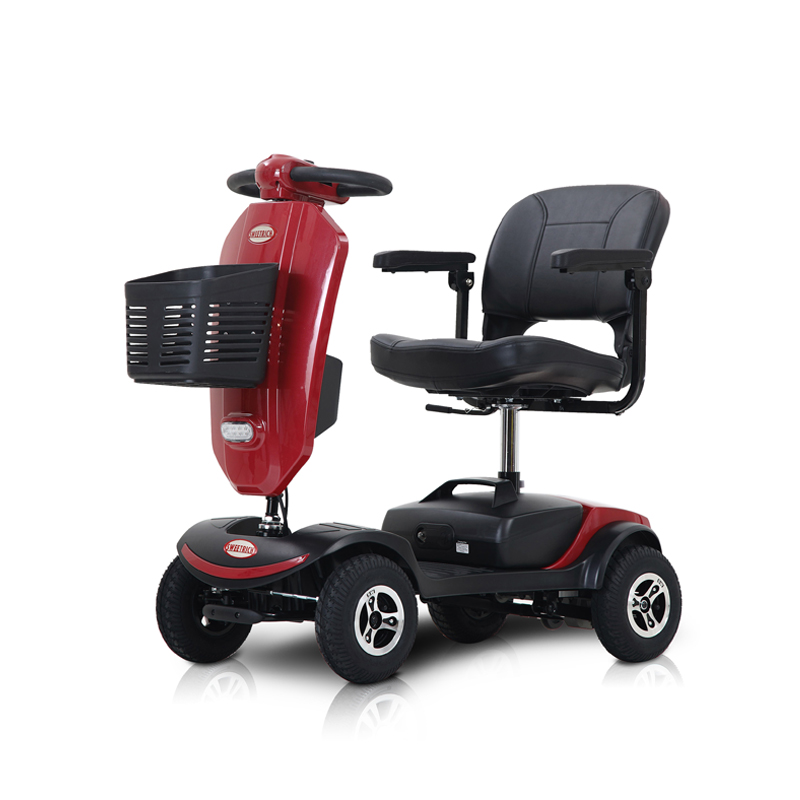
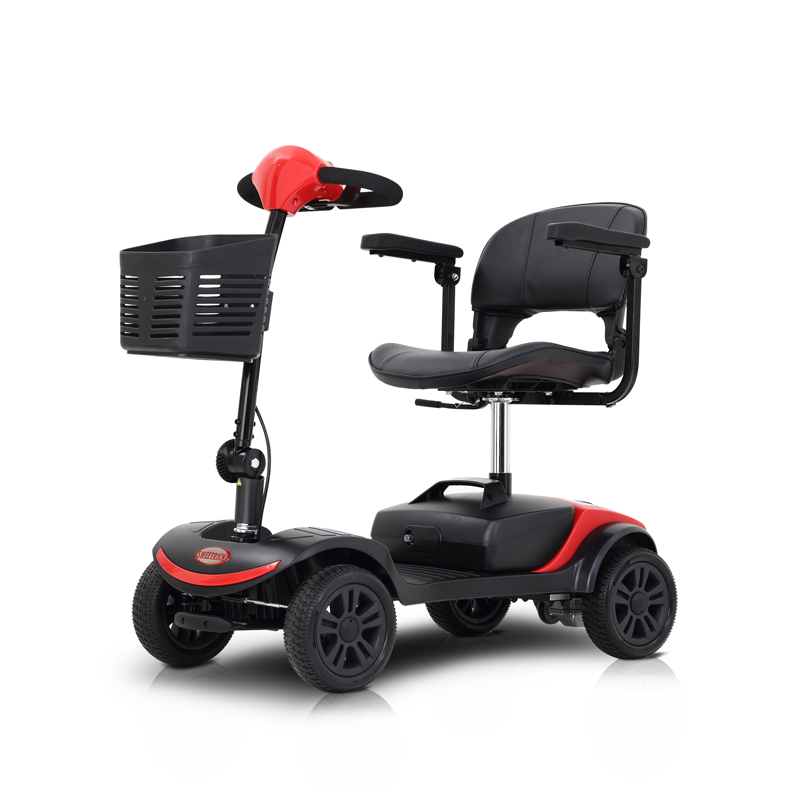
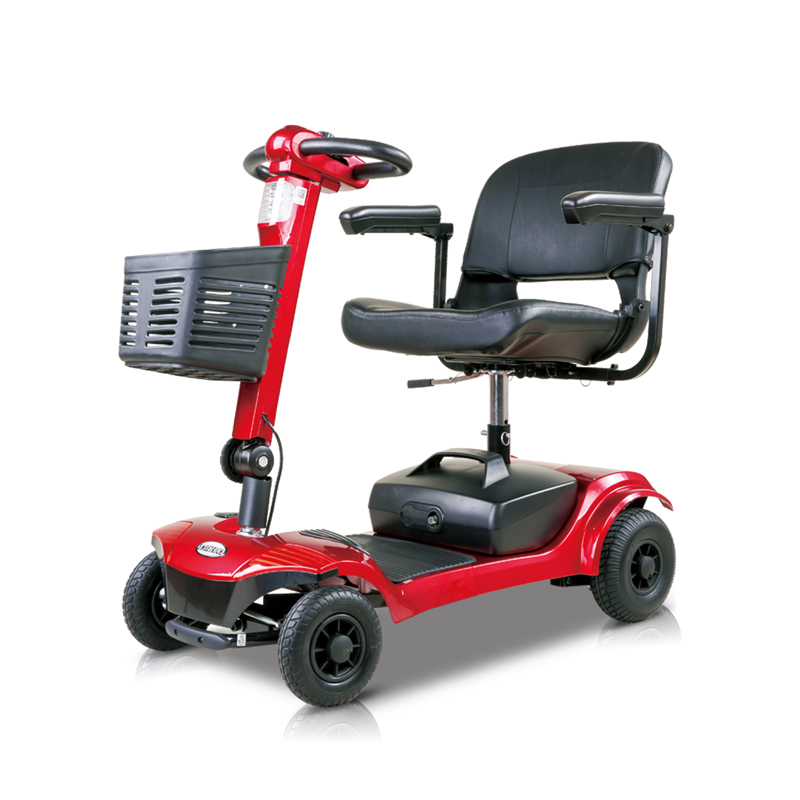
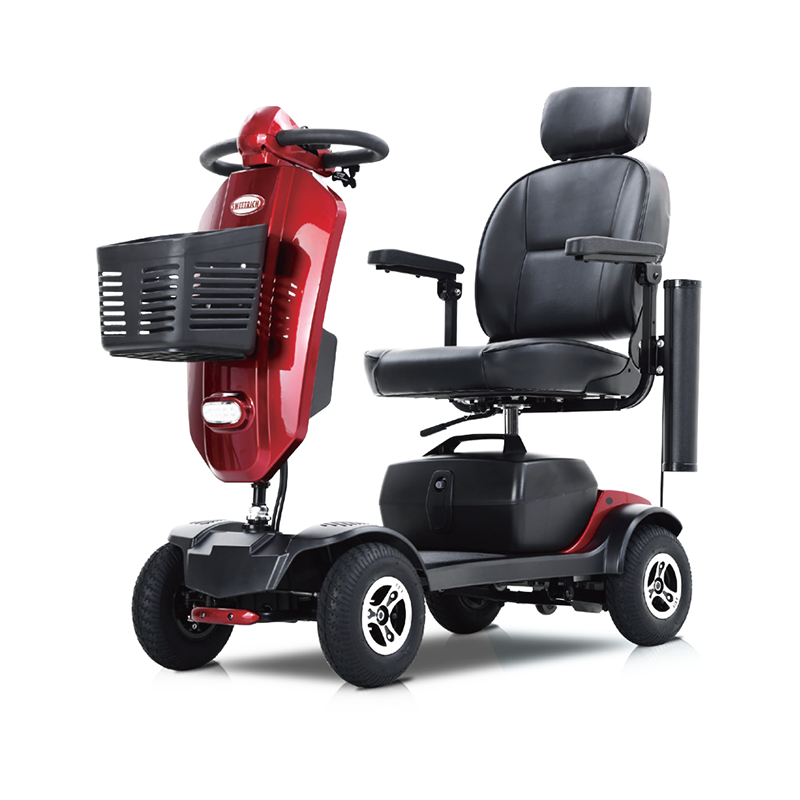
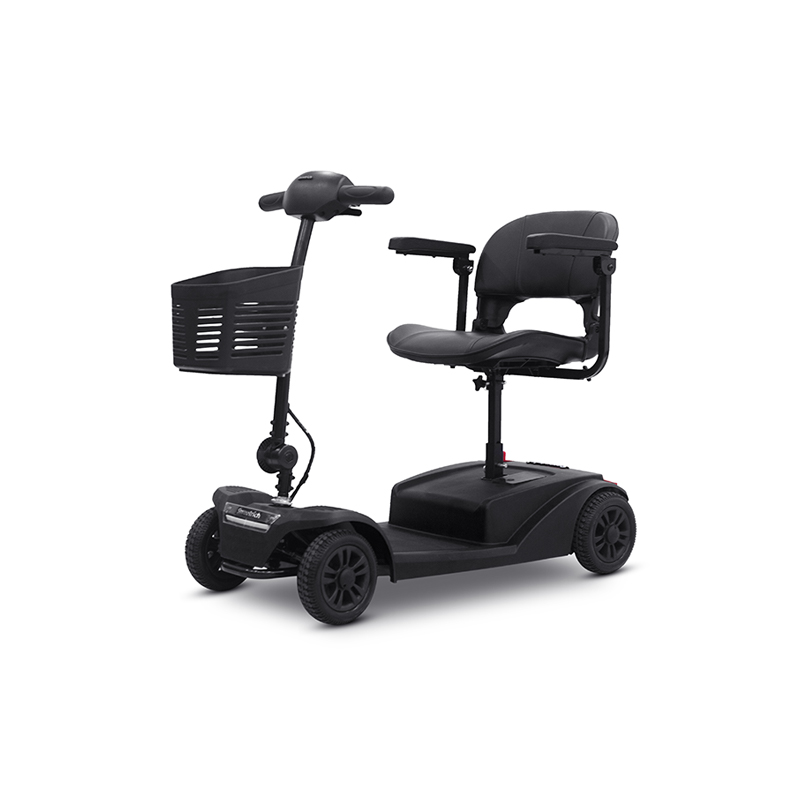
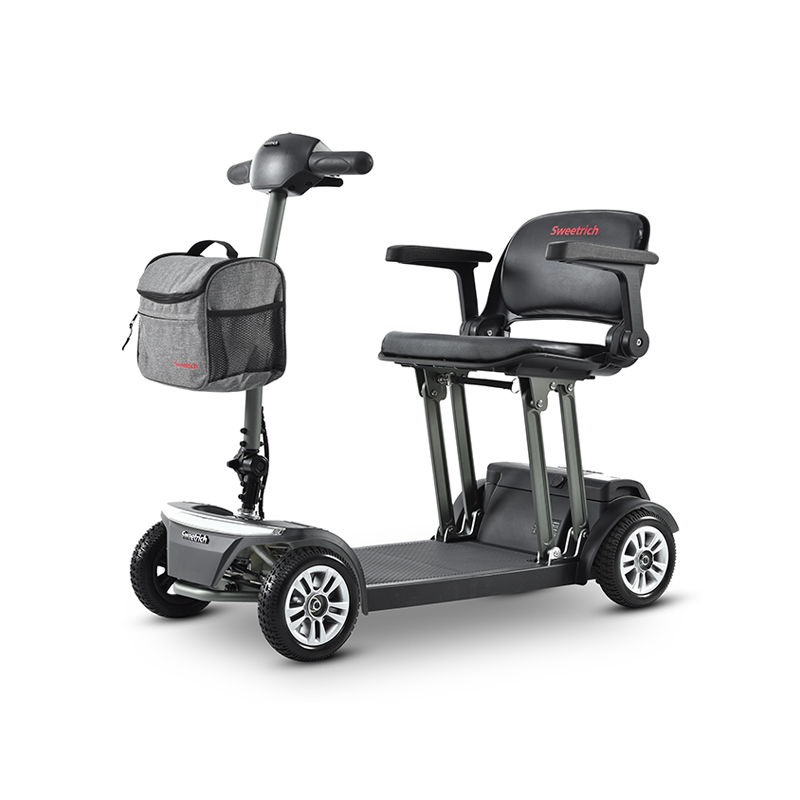
A Mobility Scooter for Air Travel has to meet standards that everyday use does not impose. Battery chemistry, capacity, removability, and labeling all come under review. Dimensions and component weight determine whether the device fits through cargo openings and can be lifted safely. Features such as freewheel mode and detachable accessories affect how staff handle the device and how likely it is to arrive undamaged.
Advance preparation reduces friction at the airport. Documentation, labeling, and practice with the folding routine all contribute. Since requirements vary between carriers and regions, confirming the specifics for a given route is part of the planning process rather than an optional step.
Matching device features to the conditions of air travel keeps the journey manageable. The criteria airlines apply exist for practical reasons, and a device designed with those criteria in mind moves through the airport with less difficulty than one that is not.