 info@sweetrich.cn
  +86-(0)512-82283871
Content
- 1 Urban Mobility Shifts and the Role of Medium Scooters
- 2 What Medium Scooters Mean in Daily Use
- 3 Everyday Movement Challenges in Cities
- 4 How Medium Scooters Fit Simple Design Needs
- 5 Safety in Shared Urban Spaces
- 6 Basic Maintenance in Regular Use
- 7 Early View of Scooters in Urban Life
- 8 Integration, Usage Patterns, and Urban Adaptation of Scooters
- 9 How Medium Scooters Work With Other Transport
- 10 Different Usage Styles in Daily Life
- 11 Environmental and Practical Influence
- 12 Real Limits in Everyday Use
- 13 Shifting Role in Urban Movement
Urban Mobility Shifts and the Role of Medium Scooters
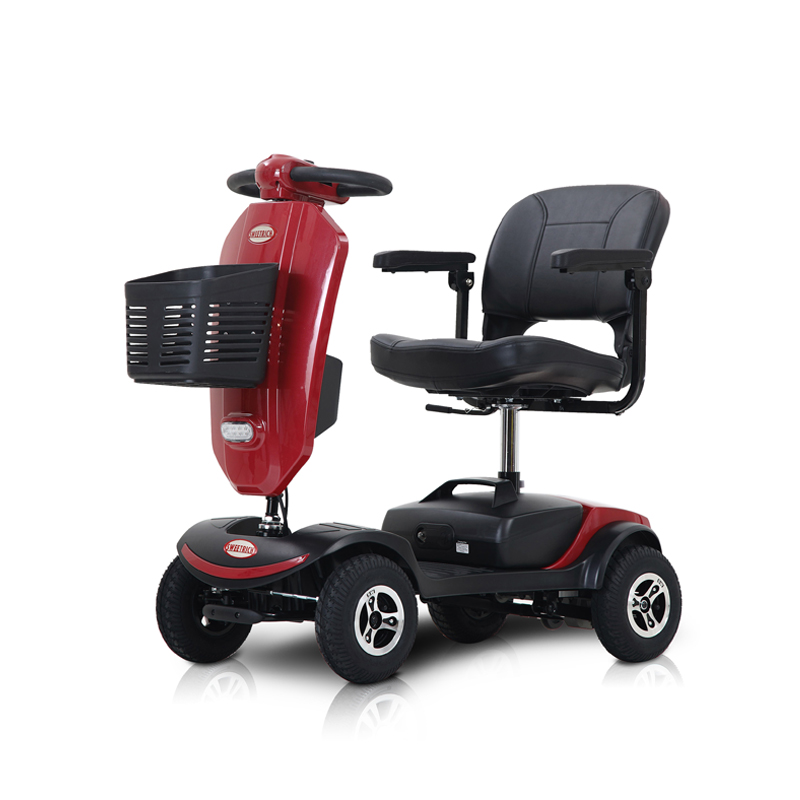
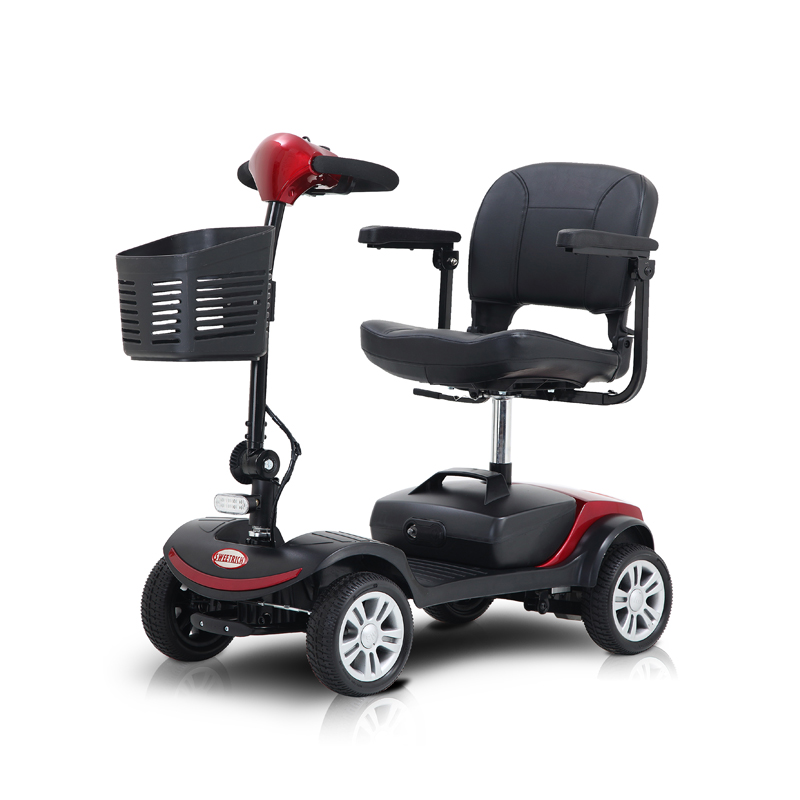
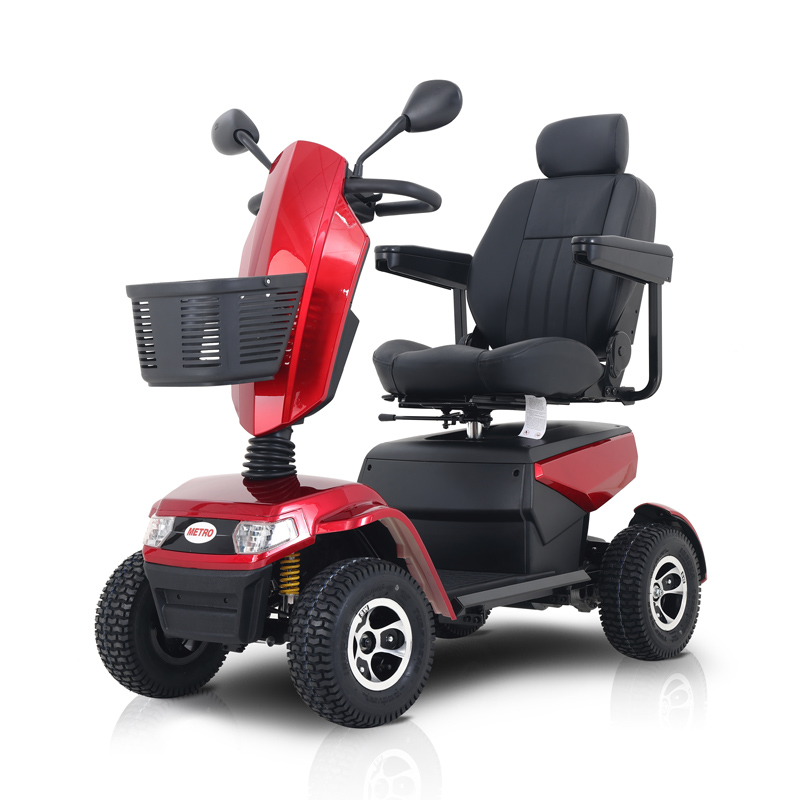
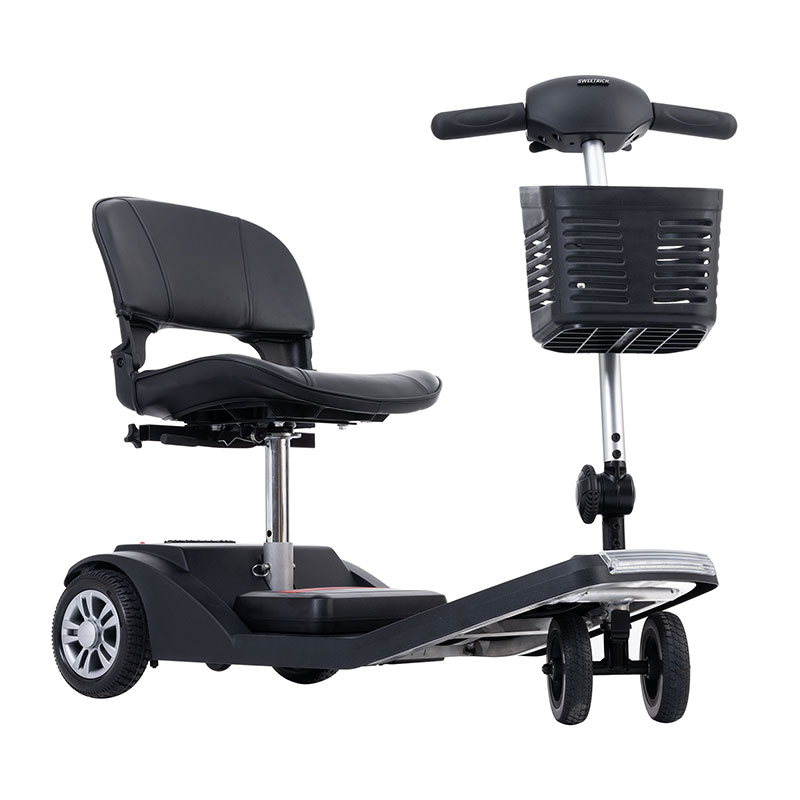
City movement has changed in a quiet way. People rarely travel in one straight line anymore. A normal day is made up of short moves—out of the house, to a nearby stop, then a short walk again, and later a few more small trips. These short distances do not feel difficult on their own, but they repeat so often that they start to matter. Medium Scooters appear in this kind of pattern as a simple way to handle those small gaps.
In many neighborhoods, the real challenge is not distance in the usual sense, but interruption. You stop, you start again, you change direction, and you wait. Walking works, but after several rounds, it begins to feel slow. Scooters fit into this space without changing how people already move. They do not replace walking or transport, but sit in between, filling the parts that feel slightly inconvenient.
China Mobility Scooter Manufacturers are often connected to this kind of usage because city conditions are not uniform. Some paths are narrow, some areas are crowded, and some routes change from smooth to uneven without warning. Instead of building complicated systems, the focus is usually on keeping movement steady and predictable in these mixed environments.
In real life, these scooters are often seen in places where people move frequently but only for short distances. Residential blocks, small commercial streets, and shared community spaces are typical examples. The scooter is not there for long travel. It is there because people keep needing to move a little, again and again, throughout the day.
What Medium Scooters Mean in Daily Use
Medium Scooters are easier to understand when you think about repetition. One trip is not the point. The pattern of many short trips is what gives them meaning.
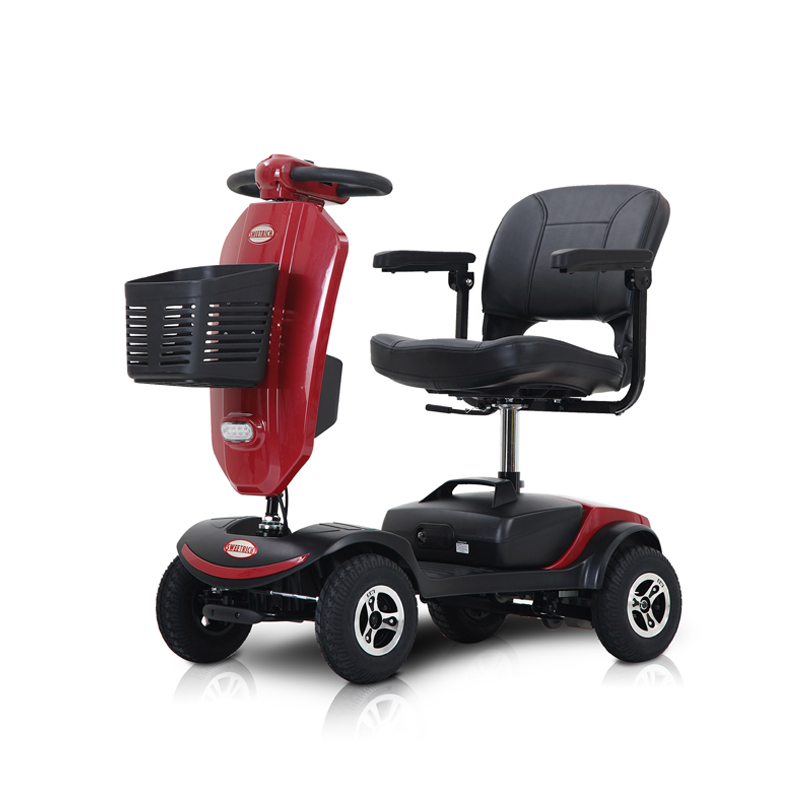
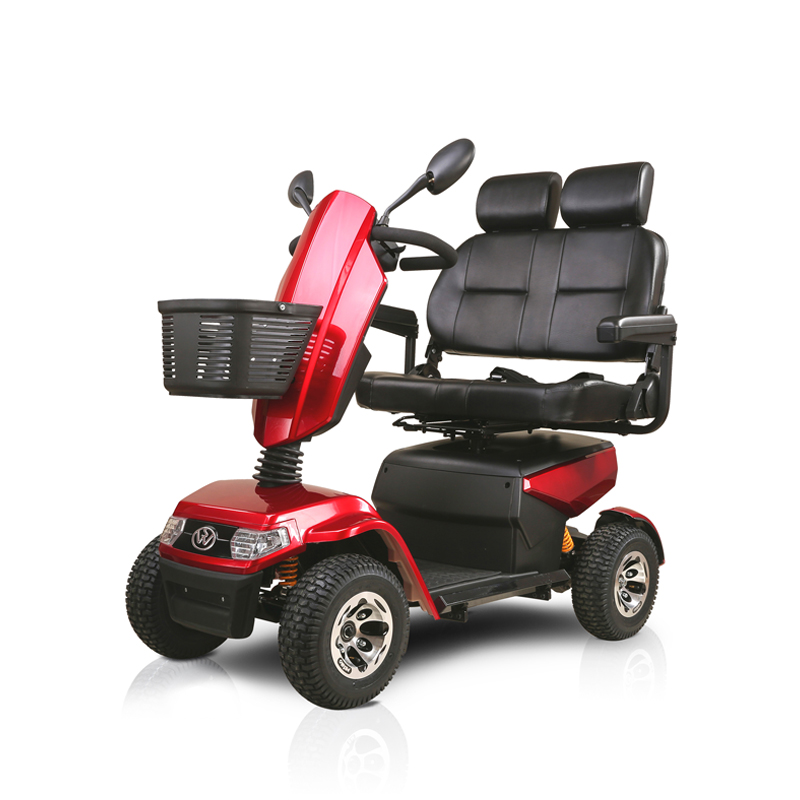
They are neither very small devices meant for tight indoor movement nor larger machines meant for long routes. They sit in the middle, used for everyday movement that feels too short for a car but too frequent for walking alone.
Common situations include:
- Moving between nearby home and service points
- Short travel inside community areas
- Reaching transport stops without long walking
- Handling small daily errands
The design idea is not about covering distance. It is about making repeated short movement less tiring and more direct.
Everyday Movement Challenges in Cities
Urban life looks organized from a distance, but on the ground it is full of small interruptions.
Another issue is space. In many places, there is simply not much room to store or park larger transport. This pushes people toward smaller, easier options for daily movement.
Then there is time, not in a strict sense, but in fragments. A few minutes here, a few minutes there. Walking these same short paths many times a day slowly adds up.
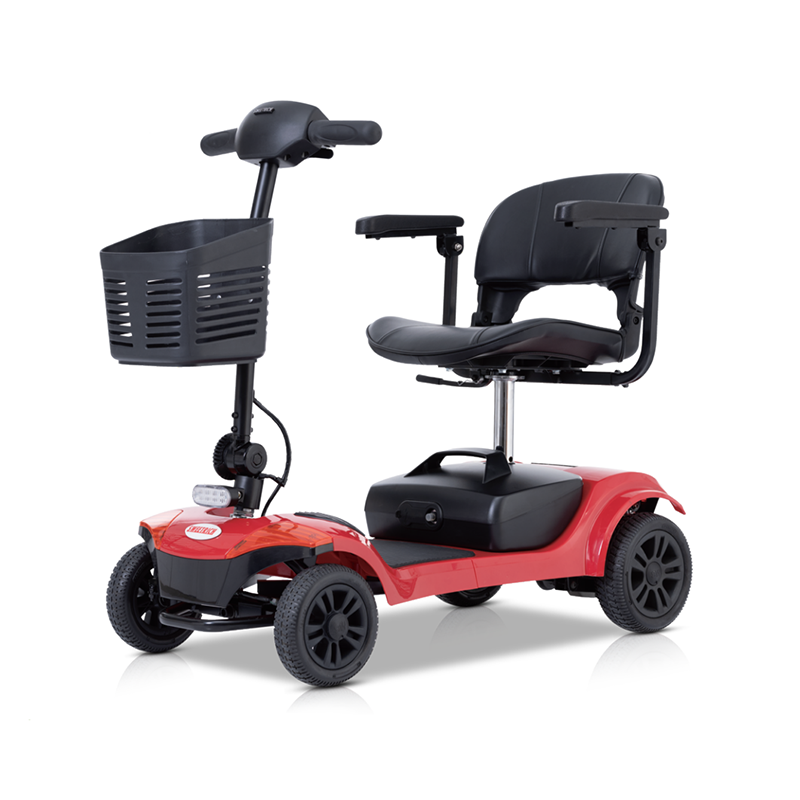
Medium Scooters fit into this situation in a practical way. They reduce repeated walking without changing the structure of daily life. The route stays the same, only the effort changes.
China Mobility Scooter Manufacturers usually respond to these conditions by keeping designs simple and focused on real use. The aim is not to add layers, but to make short travel feel less interrupted.
How Medium Scooters Fit Simple Design Needs
The design of Medium Scooters is usually shaped by everyday behavior rather than technical complexity. They are made for repeated starts and stops, not long continuous riding.
Comfort here is not about luxury. It is about doing the same small trip multiple times without discomfort building up too quickly. That is why small details matter more than appearance.
A basic breakdown looks like this:
| Design Area | Everyday Purpose |
|---|---|
| Frame Structure | Keeps movement stable during repeated use |
| Steering Control | Helps adjust direction in narrow paths |
| Seating Position | Supports frequent short rides |
| Ground Response | Handles mixed city surfaces without issue |
Movement in real life is rarely smooth or predictable. There are stops, turns, and short waits. Medium Scooters are shaped around this kind of rhythm rather than ideal road conditions.
China Mobility Scooter Manufacturers tend to adjust their approach based on these real usage patterns, focusing on consistency across daily situations.
Cities are shared spaces. People do not move alone, and paths are rarely empty. Walking, cycling, and small transport tools often overlap in the same area.
Because of this, Medium Scooters need to move with awareness of surroundings. Sudden speed changes or sharp turns do not fit well in crowded environments. Smooth movement matters more than fast movement.
Visibility also plays a quiet role. In busy or low-light conditions, being noticeable helps reduce small risks that come from shared movement.
Over time, users often develop simple habits without thinking too much about them:
- Slowing down near groups of people
- Keeping space when passing others
- Avoiding tight turns in narrow paths
These habits are not formal rules. They come from experience in shared spaces.
Basic Maintenance in Regular Use
When something is used often, small care routines naturally become part of daily life. Medium Scooters are no different.
Maintenance is usually simple and repetitive rather than technical. It is more about attention than repair.
Typical habits include:
- Checking movement feels normal before use
- Wiping away dust or moisture after riding
- Keeping the scooter stored in a dry place
- Noticing changes in handling over time
City environments are not stable. Weather, dust, and surface conditions change from day to day. These small factors slowly affect any device used outdoors.
China Mobility Scooter Manufacturers often design with this reality in mind, aiming for structures that stay consistent under repeated daily use without requiring complicated care.
Early View of Scooters in Urban Life
Medium Scooters are not replacing anything already in use. They simply sit in the small spaces between walking and transport.
Their role is subtle. They reduce effort in places where movement is short but frequent. Over time, this changes how people experience daily routines, not by adding speed, but by reducing repetition.
The result is not a new way of living, but a slightly smoother version of the same daily pattern.
Integration, Usage Patterns, and Urban Adaptation of Scooters
Medium Scooters are rarely used in isolation. In real city routines, they usually appear in the middle of a journey rather than covering the whole distance. A typical day might involve walking a short stretch, using public transport for a longer section, and then switching back to a scooter for the final part. This kind of mixed movement has become common in crowded urban environments where direct travel is not always practical.
In these situations, Medium Scooters mainly handle what people often think of as “small gaps.” These are not long distances, but they repeat throughout the day. A short ride to a station, a quick move between buildings, or a return trip inside a community space—each one is simple, but together they form a large part of daily mobility.
China Mobility Scooter Manufacturers are usually aware of this layered movement pattern. Instead of designing scooters as standalone transport tools, the focus is more on how they fit into existing travel habits. That is why the structure tends to stay compact, easy to handle, and suitable for frequent starting and stopping rather than long continuous riding.
How Medium Scooters Work With Other Transport
City transport rarely works as a single system. Many people combine different methods depending on distance and timing. Scooters fit into this mix by covering the parts that feel too short for larger transport but too frequent for walking alone.
They are commonly used for:
- Short movement from home to nearby transport points
- Completing the last part of a journey after getting off public transport
- Moving inside large shared spaces where walking becomes repetitive
In this way, they act more like a connecting tool than a replacement. The main idea is to reduce unnecessary walking between points that are already close.
Storage and portability also matter in this connection. In many cases, scooters are kept in small spaces at home or parked in designated community areas, making them easy to bring into daily routines without extra effort.
Different Usage Styles in Daily Life
Even though Medium Scooters look similar from the outside, the way they are used can vary quite a bit. Some people rely on them for short daily errands, while others use them more during busy commuting periods. The same device can feel different depending on how often and where it is used.
Common usage patterns include:
- Short trips within residential areas
- Movement between nearby service points
- Repeated daily travel between transport connections
- Light mobility inside shared community zones
These patterns are not fixed. They change based on lifestyle, distance between places, and how often movement is needed during the day.
China Mobility Scooter Manufacturers often keep this variation in mind. Instead of pushing a single usage style, the design direction stays flexible enough to support different habits without requiring users to adjust their routine.
Environmental and Practical Influence
Short-distance movement is often underestimated, but it happens constantly in urban life. Even a few minutes saved in repeated trips can change how smooth a day feels.
Medium Scooters reduce the need for repeated walking over short distances. This does not remove walking completely, but it reduces repetition where it becomes unnecessary. Over time, this slightly changes how people move through their surroundings.
There is also a practical side to this. When short trips become easier, people tend to spread their movement more evenly throughout the day instead of delaying or combining tasks just to avoid walking back and forth.
In this sense, Scooters quietly adjust daily rhythm rather than changing transport habits entirely.
Real Limits in Everyday Use
No transport option fits every condition, and Scooters are no exception. Their use is closely tied to the environment they operate in.
Some situations can limit their practicality:
- Rough or uneven surfaces that reduce riding comfort
- Heavy rain or slippery ground conditions
- Steep or irregular paths
- Long-distance travel that requires continuous movement
These limits are usually expected rather than surprising. The design is centered around short, repeatable trips in relatively stable urban conditions, not extended or challenging terrain.
Understanding these boundaries helps keep expectations realistic and ensures the scooters are used where they naturally fit.
Shifting Role in Urban Movement
Over time, Scooters have started to settle into a quiet but steady role in city mobility. They do not replace walking or public transport, and they are not meant to. Instead, they sit between them, handling the repeated short movements that often go unnoticed.
This small shift has an impact on daily comfort. Movement becomes less fragmented, and short trips feel less like interruptions. It is not a dramatic change, but a gradual adjustment in how people move through familiar spaces.
China Mobility Scooter Manufacturers continue to refine this type of product based on real-world usage rather than theoretical design. The direction remains practical—keeping movement simple, steady, and suitable for everyday conditions.
Medium Scooters have found a quiet position in the middle of urban mobility. They are not the main transport method, but they make the in-between parts of daily travel easier to manage.
In this ongoing adjustment of short-distance movement, industry participants such as Suzhou Sweetrich Vehicle Industry Technology Co., Ltd. are often mentioned in relation to evolving design approaches that reflect how everyday travel continues to change in small but steady ways.