 info@sweetrich.cn
  +86-(0)512-82283871
Content
- 1 Portability Designed for Limited Living and Working Spaces
- 2 Battery and Motor Refinements for Reliable Daily Use
- 3 Contributing to Cleaner Streets Through Individual Choices
- 4 Linking Transit Hubs to Specific Endpoints
- 5 Diverse Models Responding to Varied Needs
- 6 Weaving Scooters into Daily Routines
- 7 Optimizing Space in Homes and Offices
- 8 Supporting Smoother Movement Across the City
- 9 Keeping the Scooter Ready Through Simple Habits
- 10 Practicing Safe Habits in Busy Urban Settings
- 11 Creating Connections Through Everyday Use
- 12 Staying Adaptable as Cities Keep Changing
- 13 Sweetrich Foldable Scooter
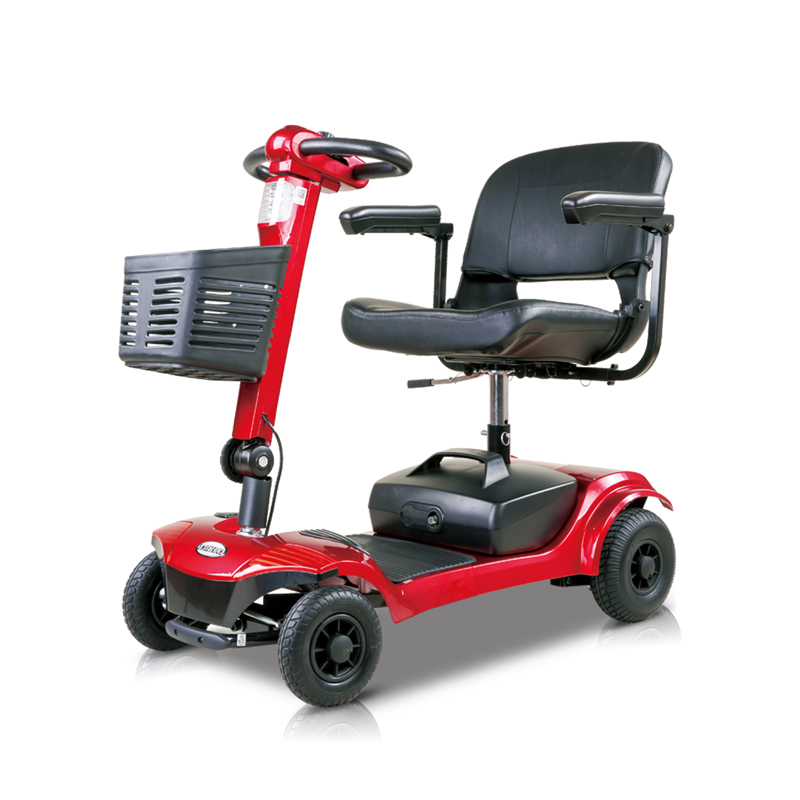
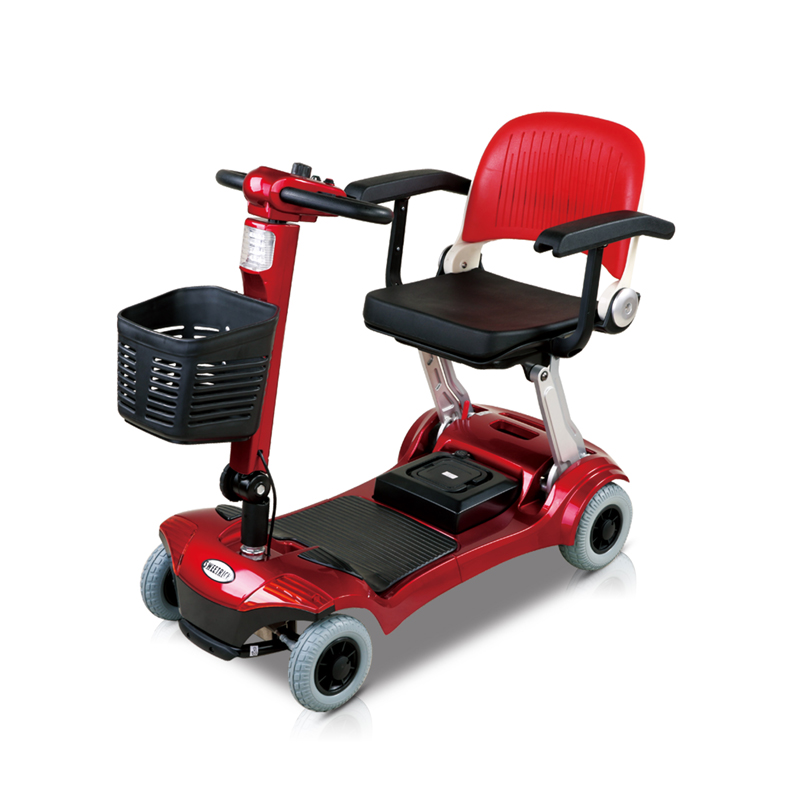
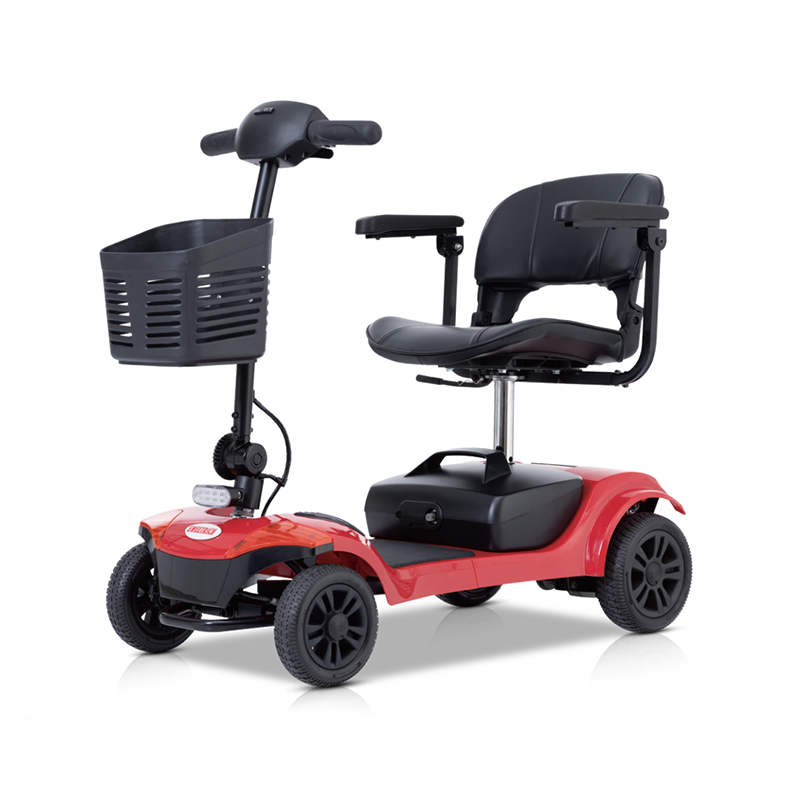
Cities have continued to grow denser over recent years, with more residents sharing the same streets, sidewalks, and transit lines. Morning and evening rushes create bottlenecks on roads, while parking shortages and crowded buses add layers of delay to daily routines. Folding travel electric scooters from Foldable Scooter Factory address these realities by offering a nimble way to handle short distances. Riders move past stalled vehicles, navigate narrow gaps, and arrive at workplaces, schools, or errands without waiting in long queues or circling for spots. The scooters fold down quickly after use, allowing riders to carry them onto trains or buses and store them in compact home spaces. This combination supports mixed-mode travel—riding for a few blocks, folding for transit, then riding again—helping people keep schedules in environments where time and space remain constant constraints.
Portability Designed for Limited Living and Working Spaces
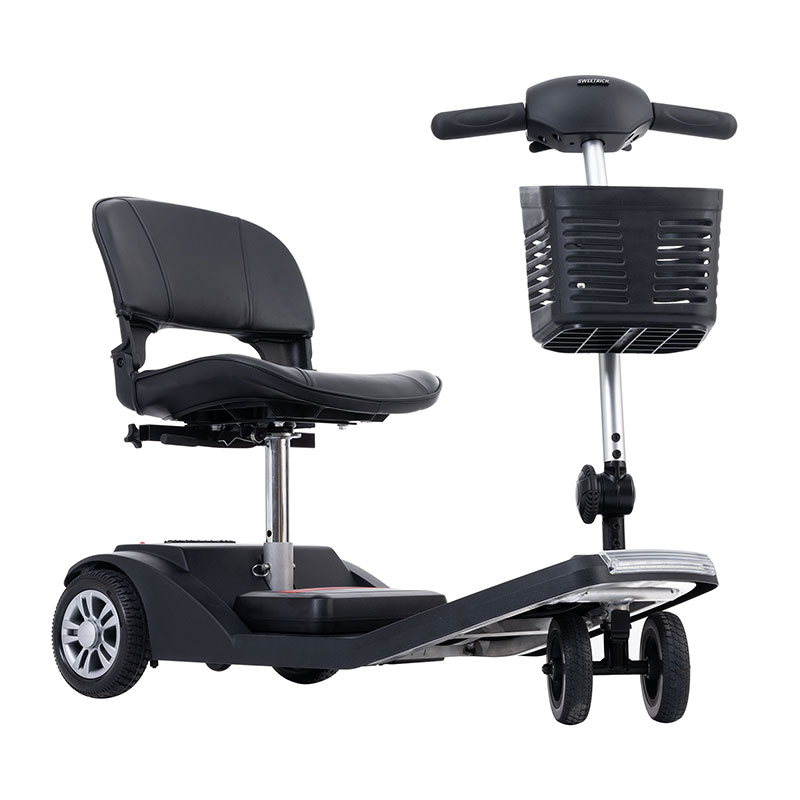
The folding feature turns these scooters into tools that adapt to real-world space limitations. Handlebars lower, the stem collapses, and the deck folds together into a package small enough to carry by hand or roll along sidewalks. In apartments with tight layouts, the folded scooter fits beside a door, under a desk, or in a narrow closet without dominating living areas. Commuters who drive to a transit hub load the compact unit into a car trunk, then unfold it for the final approach to an office or station. Public transport users board vehicles with the folded scooter tucked under an arm, avoiding the need for special racks or advance permission.
This ease of carrying and stowing removes frequent reasons to skip using the scooter, encouraging consistent incorporation into daily patterns. Riders find that the scooter no longer feels like an extra burden; instead, it becomes a natural part of moving between home, work, and community locations.
| Aspect | Before / Common Barrier | After / Benefit with Folding Scooter | Overall Impact on Daily Use |
|---|---|---|---|
| Carrying & Stowing Ease | Frequent reasons to leave scooter behind | Simple to carry and store in limited spaces | Removes excuses for not using it regularly |
| Integration into Routines | Feels like an extra burden or hassle | Becomes natural and seamless part of movement | Encourages consistent daily incorporation |
| Practical Effect on Lifestyle | Hesitation or skipping due to inconvenience | Smooth transitions between home, work, community locations | Supports more reliable, habitual mobility |
Battery and Motor Refinements for Reliable Daily Use
Steady advancements in battery storage and motor efficiency have made folding travel electric scooters more dependable for typical city commutes. Batteries now provide sufficient range for regular short trips, with recharge times that fit into evening routines or brief pauses during the day. Motors deliver smooth, quiet power delivery, supporting gentle starts from traffic lights and consistent cruising on flat or gently rolling paths. These improvements reduce the need for mid-day charging stops and create a riding experience that feels predictable in shared urban environments. Riders notice reliable performance during rushed mornings or tired evenings, when steady power helps maintain focus on the route rather than worrying about range. The quieter operation suits residential streets and office districts, where noise can disturb neighbors or colleagues. These developments strengthen confidence in the scooters as practical daily companions rather than devices limited by power or sound concerns.
Contributing to Cleaner Streets Through Individual Choices
Rising awareness of air quality and sustainable living has increased interest in transport options that produce no tailpipe emissions. Folding travel electric scooters operate solely on electricity, providing a low-emission alternative for short journeys that might otherwise involve driving or idling in congestion. In neighborhoods where vehicle exhaust affects daily comfort, choosing this mode for routine segments adds repeated small reductions in local pollution. Many users find the choice aligns with existing habits such as reducing household energy use or sorting recyclables, extending those values into travel decisions. The shift supports community goals of easing road pressure and improving street-level conditions, as more people select electric power for brief trips. Over months and years, these individual actions help create quieter, less polluted areas, offering indirect benefits to residents through lower vehicle density during peak times.
Linking Transit Hubs to Specific Endpoints
These scooters effectively bridge public transport stops and final destinations, easing the often inconvenient last portion of commutes. After disembarking from a bus or train, riders unfold the scooter and cover the remaining distance comfortably, avoiding long walks in heat, rain, or cold. Transit stations become practical starting points, with the scooter handling the approach to building entrances, classroom doors, or home steps. This smooth handoff shortens total travel time and limits exposure to weather, allowing people to arrive more alert and prepared. Workplaces, schools, and local businesses benefit when staff or students reach locations without the fatigue of extended foot travel. In areas with scarce parking, riders secure the scooter near entries or in designated small-vehicle spots, then walk only a short distance. The arrangement encourages greater reliance on buses and trains for main segments, with confidence that the final connection remains independent and efficient.
Diverse Models Responding to Varied Needs
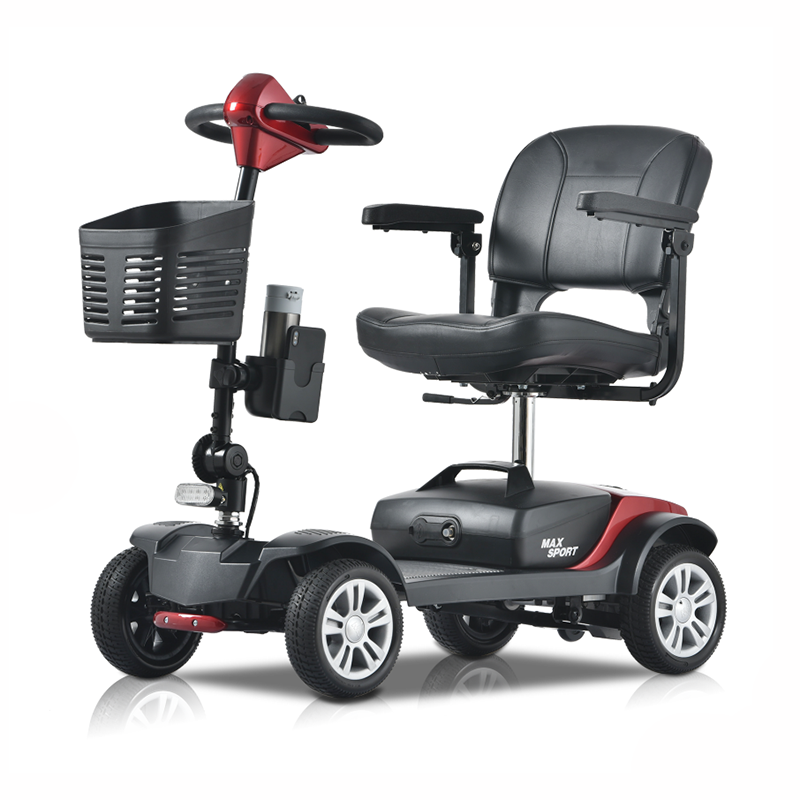
The range of folding travel electric scooters has expanded as manufacturers adapt to different commuter preferences. Models vary in overall weight, folding sequence, wheel size, and supplementary features, offering selections that match individual storage limits or route conditions. Some prioritize lighter builds for carrying up stairs or onto platforms, while others focus on stable handling over uneven sidewalks or light paths. Price levels span a broad spectrum, enabling decisions based on budget while retaining essential folding capability. This variety drives continual refinements, as producers observe practical use and adjust designs accordingly. Shoppers compare options more clearly, finding scooters that fit current habits—perhaps one that accommodates a particular bike rack, folds small enough for office storage, or handles frequent damp weather. The increased selection broadens accessibility across age groups, lifestyles, and urban layouts, supporting wider adoption among those who earlier encountered few suitable alternatives.
Weaving Scooters into Daily Routines
A typical day might begin with unfolding the scooter near home, riding to a local transit stop, folding it for the train segment, then unfolding for the final approach to work. The pattern repeats in reverse later, forming a consistent sequence that simplifies planning. Brakes engage promptly, lights improve visibility in lower light, and steering remains balanced for navigating around pedestrians or barriers. Charging integrates into evening habits or lunch breaks, keeping the battery ready without significant schedule changes. Many riders discover the scooters prompt exploration of alternative paths or nearby locations, as the portable design lowers barriers to short side trips or spontaneous stops.
| Aspect of Daily Use | Description / How It Works | Practical Benefit |
|---|---|---|
| Morning Routine | Unfold near home → ride to transit stop → fold for train → unfold for final ride to work | Creates a predictable, efficient start to the day |
| Evening Return | Reverse sequence (unfold after transit → ride home → fold and store) | Simplifies end-of-day planning and storage |
| Safety & Handling Features | Prompt brakes, good low-light visibility, balanced steering | Confident navigation around pedestrians, curbs, barriers |
| Charging Integration | Fits into evening routine or lunch break | Battery stays ready with no major schedule disruption |
| Added Flexibility | Portable design encourages trying new routes or spontaneous stops | Opens up exploration of nearby places without extra effort |
Optimizing Space in Homes and Offices
In compact residences, the folded scooter takes up minimal room—perhaps resting beside furniture or sliding beneath a shelf—preserving hallways and shared zones. Office employees in high-rise buildings use the portability to travel between sites or nearby eateries without relying on rideshares or extended walks. Students transport the scooter onto campus shuttles, then ride between buildings or study areas spread across large grounds. These situations show how the design conforms to various environments rather than requiring users to reorganize their lives. Sudden weather shifts cause less interruption, as riders fold and shelter the scooter rapidly during rain, resuming travel when conditions improve.
Supporting Smoother Movement Across the City
Bike lanes, shared walkways, and areas set aside for smaller vehicles now more often include folding travel electric scooters, giving riders clear paths that help avoid clashing with pedestrians, cyclists, or cars. Charging spots placed near bus stops, train stations, office buildings, or public parks make it easier to keep the battery topped up during longer days away from home. When more people use the scooters for quick trips around the neighborhood, roads see less buildup during rush hours, and the air in local streets stays a bit cleaner. Families find the scooters handy for Saturday errands or school drop-offs—one person rides ahead while managing bags or siblings. Older adults and anyone dealing with short-term mobility limitations appreciate the seated ride that takes far less energy than covering the same ground on foot.
Keeping the Scooter Ready Through Simple Habits
Everyday care keeps folding travel electric scooters running smoothly without much effort. Plugging in the charger after each ride maintains battery health, and a quick wipe-down of the wheels, deck, and folding parts clears away street dust, grit, or light rain residue. Checking brakes, lights, and tire pressure now and then spots small issues before they grow. Riders usually find that spending just a few minutes once a week on these tasks keeps everything working cleanly—no need for garage visits or specialized tools. Because the upkeep stays straightforward, people tend to use the scooter all year round instead of putting it away when the seasons change, so it remains a dependable part of getting around no matter the weather.
Practicing Safe Habits in Busy Urban Settings
Riders build simple routines that help everyone stay safe: using hand signals to show turns, keeping a reasonable pace among traffic, and picking routes with good street lighting when the sun sets early. The scooters handle well enough to weave around pedestrians, step over low curbs, or dodge sudden potholes that pop up in city centers. A growing number of cities have added rules or painted zones specifically for small electric vehicles, which brings order and makes expectations clearer for everyone sharing the space. When personal caution pairs with these community guidelines, riding patterns become safer and more predictable as more scooters join the streets.
Creating Connections Through Everyday Use
Once folding travel electric scooters become a regular sight, casual conversations start happening naturally. Neighbors swap notes about shortcuts that avoid heavy traffic, coworkers talk over coffee about the easiest station connections, and people in online groups pass along tips for folding the scooter faster or finding clever storage spots. That shared experience builds small webs of practical knowledge that make it easier for newcomers to start using one. As time passes, these little exchanges tighten neighborhood ties—familiar faces wave on the same morning path or nod at the same bus stop, turning solitary commutes into moments of quiet recognition.
Staying Adaptable as Cities Keep Changing
Urban areas never stand still: new apartment blocks appear, transit lines extend farther, and work hours shift with remote options or flexible schedules. Folding travel electric scooters keep pace with those changes, linking personal routines to larger public systems without locking anyone into rigid plans. The easy portability, steady performance gains, low environmental impact, ability to connect transit stops to doorsteps, and growing range of models give real value to different kinds of users. People who used to feel boxed in by fixed bus times or no place to park now move more freely around family needs, job demands, or personal downtime. The scooters work quietly in the background, supporting independence while fitting comfortably alongside buses, trains, and walking paths, so daily travel feels ordinary instead of stressful.
In places where parking stays scarce or transit lines handle the main routes, these scooters step in to cover the short gaps without piling extra vehicles onto already busy streets. Their small folded size encourages smarter use of both indoor space and public right-of-way, helping cities flow a little more smoothly. As more people bring them into daily life, the scooters turn into a normal part of the urban landscape—one that balances individual freedom with the shared needs of everyone living and moving in the same community.
Sweetrich Foldable Scooter
Sweetrich Foldable Scooter brings a clear, practical approach to the daily challenges of city living, where limited space, congested streets, and tight schedules shape how people move. By combining effortless folding that fits into small apartments or car trunks, reliable battery and motor performance for consistent short commutes, quiet operation that respects residential areas, and a design that bridges transit stops to final destinations, it supports riders in navigating urban routines without added friction. Users can unfold it quickly at a station, ride the last few blocks to work or home, then fold and store it in moments, all while keeping the process low-effort and intuitive even on days when energy feels lower. This seamless fit into real-life patterns—whether squeezing through traffic, carrying it onto a bus, or tucking it beside a door—helps maintain independence and flexibility. As cities keep evolving with denser neighborhoods and shifting transit needs, Sweetrich Foldable Scooter stays a quiet, adaptable companion that moves with the rider rather than against the flow of everyday demands.