 info@sweetrich.cn
 +86-(0)512-82283871

Picking a mobility scooter factory. Sounds straightforward until you actually start comparing suppliers and realize they all claim the same things. Distributors, wholesalers, retailers, healthcare equipment suppliers—everyone needs a manufacturing partner that keeps quality solid and supply stable. But production capacity, quality management, customization, after-sales support? They vary wildly. And the initial quote won't tell you much.
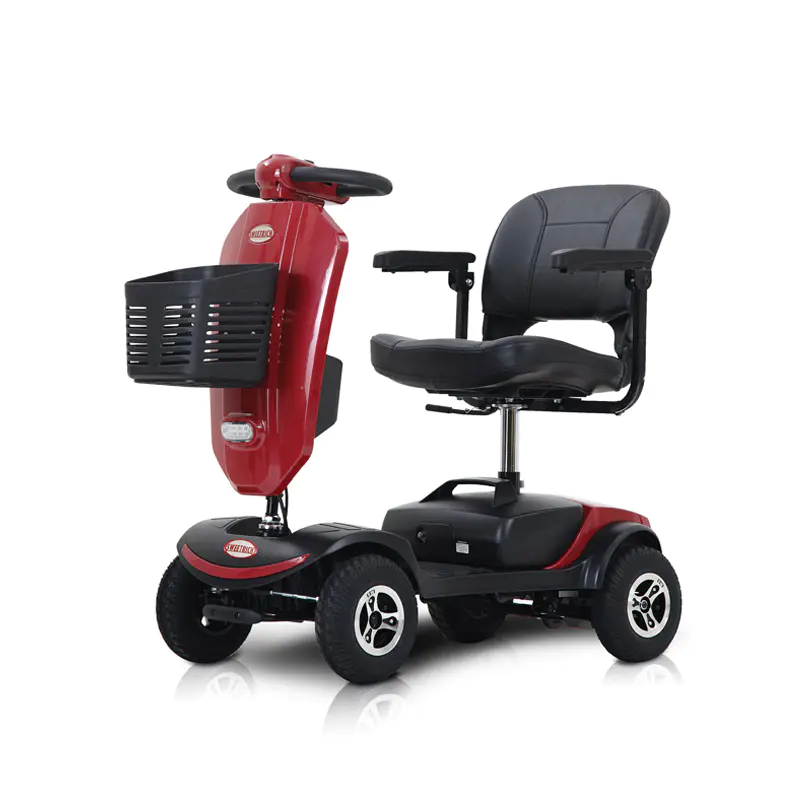
Evaluate Manufacturing Capabilities and Production Capacity
What can the factory actually produce, and how reliably? Learn about production facilities, assembly processes, workforce, experience with mobility scooters specifically—not just "similar products." Ask whether assembly and quality control happen in-house or get outsourced. How do they manage externally sourced components? What's monthly capacity? Standard Delivery cycle? Can they handle seasonal demand spikes without everything falling apart? A supplier that can't keep a consistent schedule causes inventory shortages and missed sales. Request a production plan. And clarify how they handle urgent orders or component shortages—because those happen.
Verify Product Quality and Safety Compliance
For mobility scooters, quality isn't abstract. Battery performance, braking systems, structural strength, overall durability—these affect real users. Request documentation covering the factory's quality management system and applicable safety requirements for your market. Depending on product and destination: ISO 9001, electrical safety testing, battery transport documentation, regional regulations. Certificates? Don't just accept them at face value. Verify validity, scope, relevance to the specific products you're buying. Ask about incoming material inspections, assembly checks, final product testing, defective-unit procedures. Samples or an independent inspection before a large order? Do it.
Compare Product Range and Customization Options
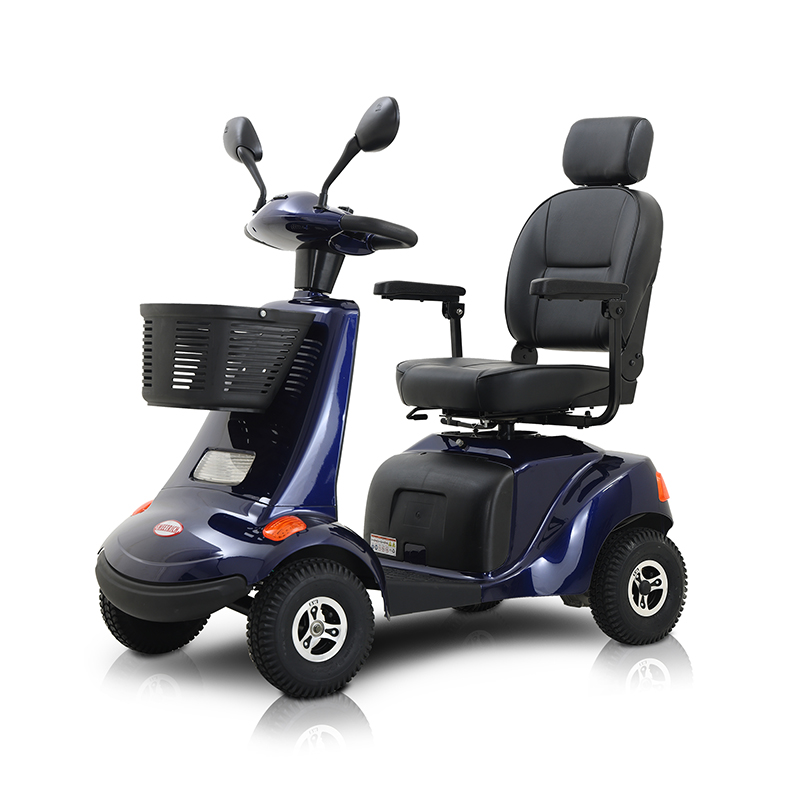
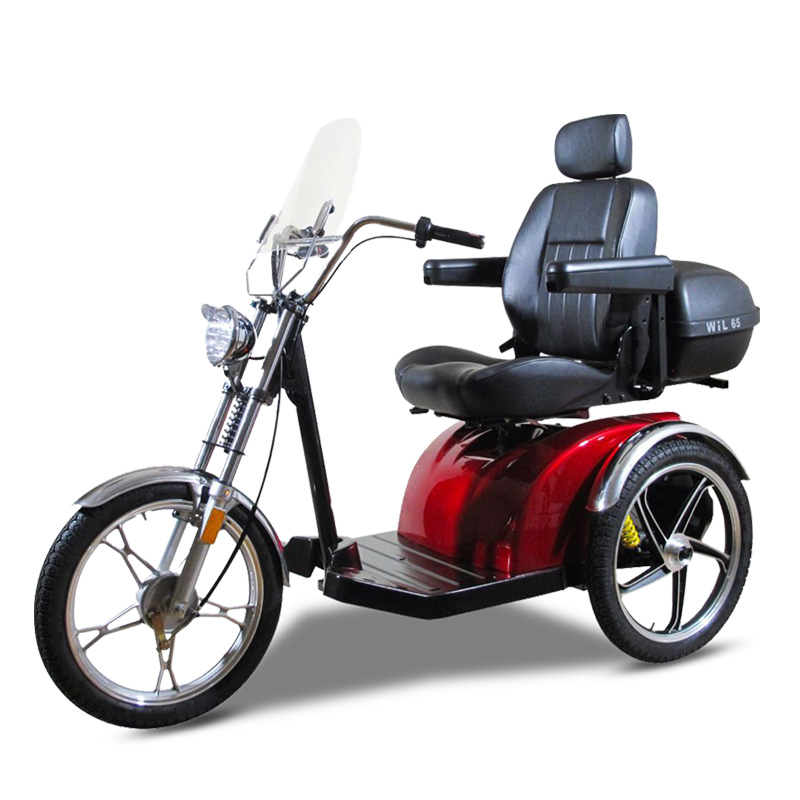
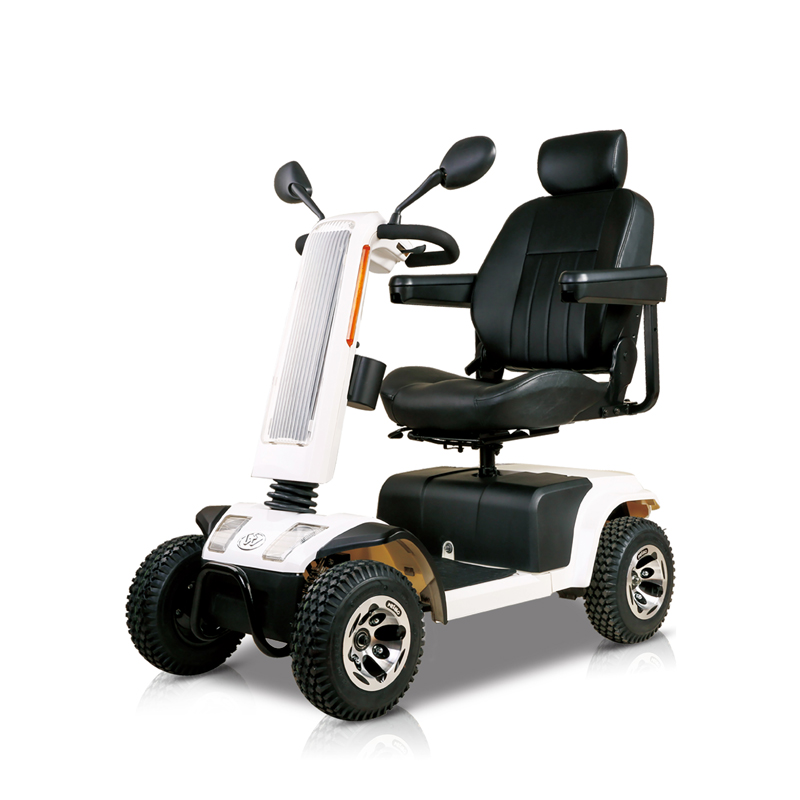
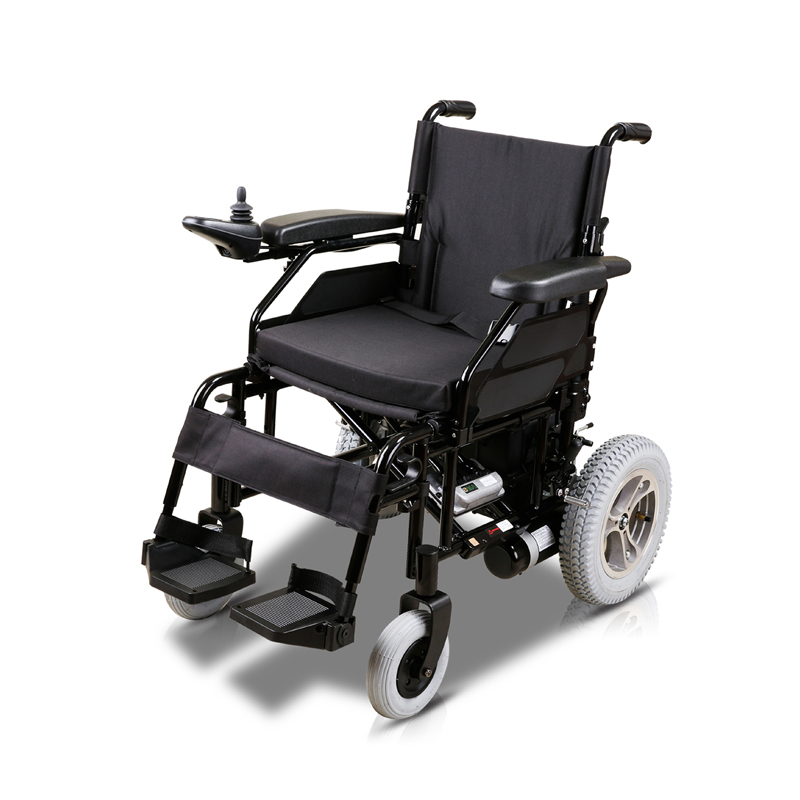
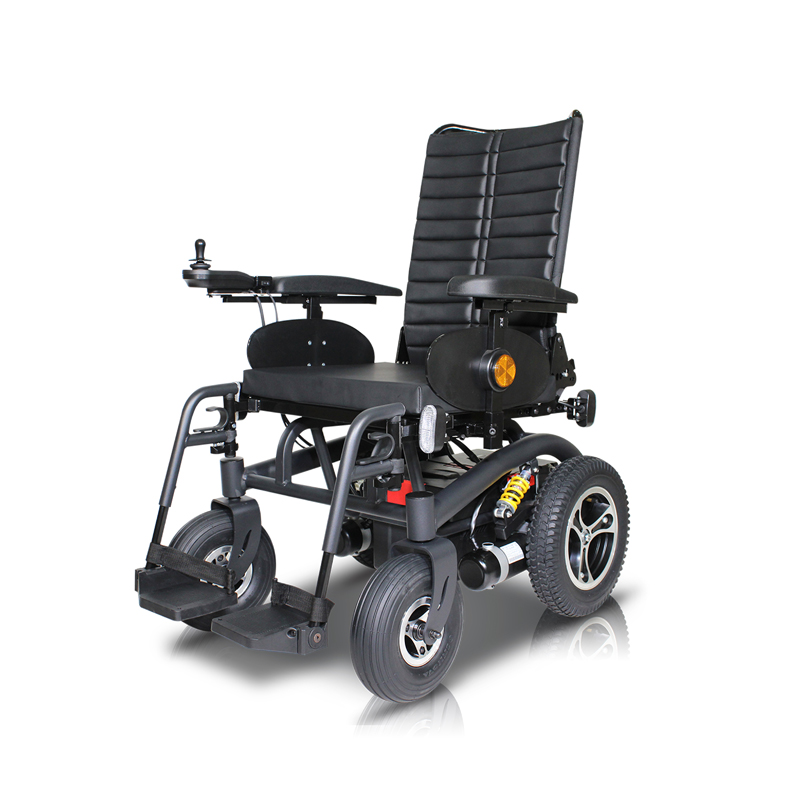
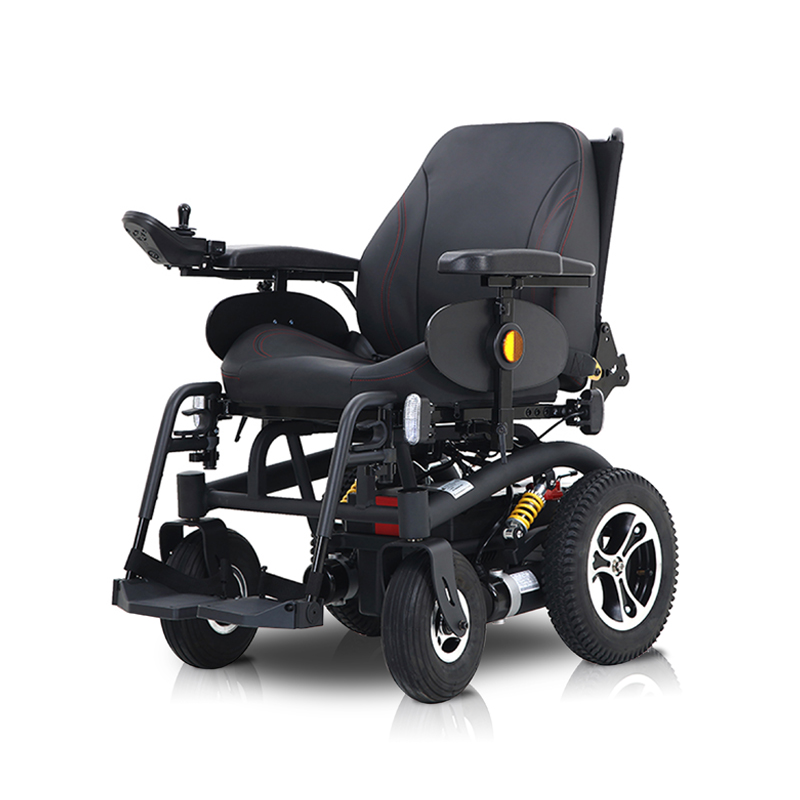
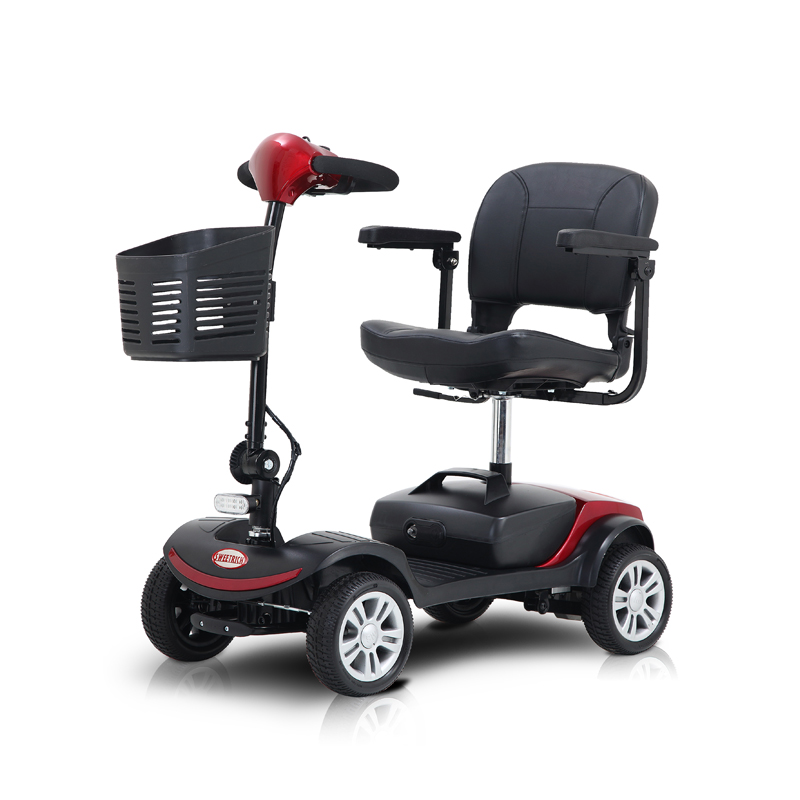
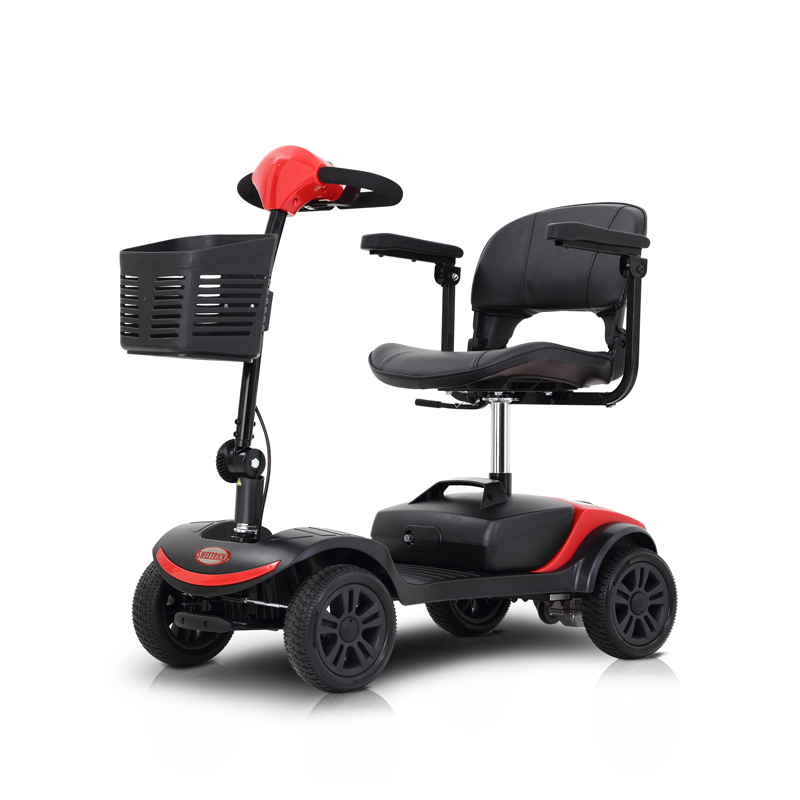
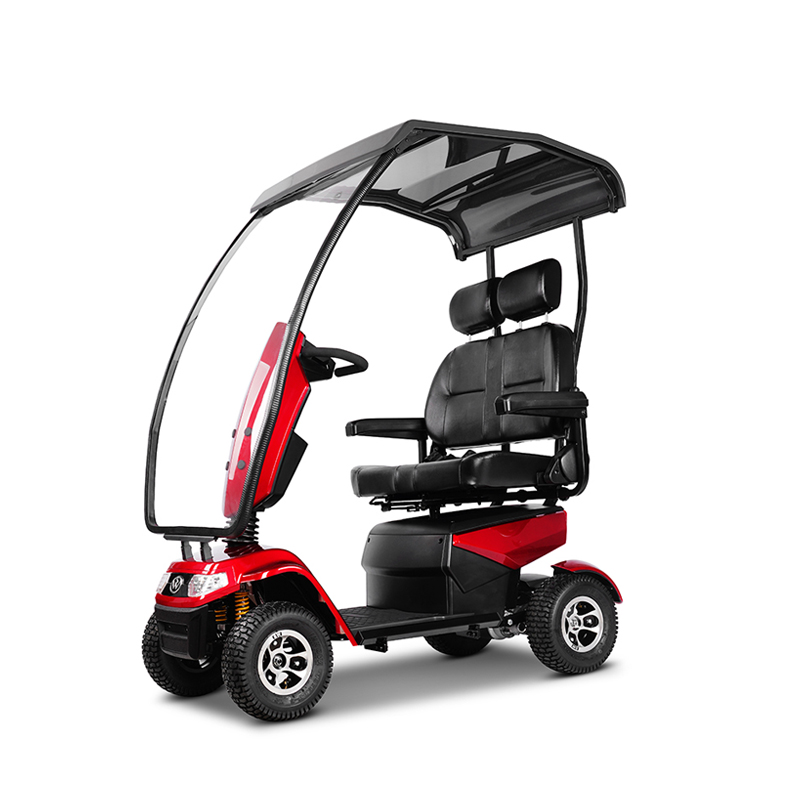
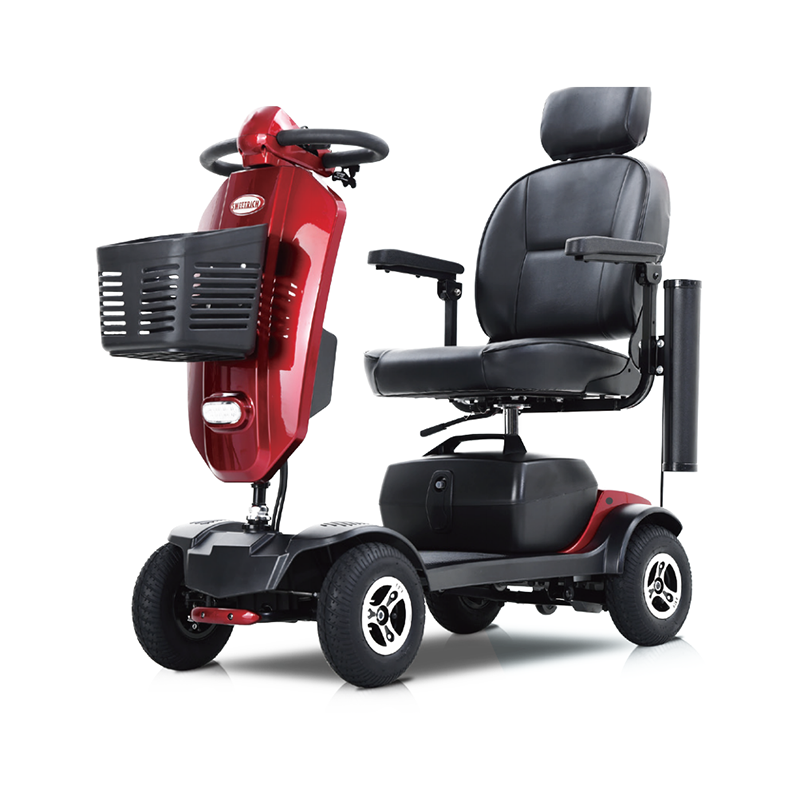
Different customer groups need different machines. Lightweight folding scooters for travel. Heavy-duty models for outdoor use or longer journeys. When comparing manufacturers, look at the range and assess:
- Performance: Top speed, driving range, climbing capability, weight capacity.
- Battery options: Type, capacity, charging requirements, replacement availability.
- Design: Folding mechanisms, seating comfort, wheel configuration, portability.
- Customization: Branding, colors, accessories, packaging.
- Spare parts: Replacement batteries, tires, controllers, chargers—can you get them?
Planning your own brand? Confirm OEM and ODM capabilities. Clarify MOQs, customization costs, production timelines, design ownership before signing anything.
Compare Pricing and Total Procurement Costs
Component quality, warranty coverage, packaging, shipping—they all shift the total. Request itemized quotes from multiple factories. Compare equivalent specs.
| Cost factor | What to evaluate | Business consideration |
|---|---|---|
| Unit price | Specifications and included accessories | Initial purchasing budget |
| Minimum order quantity | Standard and customized product requirements | Inventory investment |
| Customization fees | Branding, tooling, and packaging | Product launch expenses |
| Shipping costs | Freight, insurance, and applicable duties | Landed cost per unit |
| Warranty coverage | Claim procedures and exclusions | Potential after-sales expenses |
| Spare parts | Availability and replacement prices | Long-term maintenance costs |
Calculate landed cost per scooter—product price, freight, insurance, import duties, other charges. That gives you a clearer picture of margins and helps avoid surprises.
Check Export Experience and Regulatory Knowledge
For international buyers, export experience matters. An experienced factory understands shipping, commercial invoices, packing lists, documentation for its export markets. Ask which countries they currently supply. Experience with your destination market? Request product documentation and customer references when available. Previous export experience doesn't guarantee compliance with local regulations, though. Importers should independently verify product standards, labeling requirements, conformity assessments, import restrictions before ordering. Clear communication about regulatory responsibilities prevents customs delays and unnecessary compliance costs.
Assess After-Sales Service and Spare Parts Support
The partnership continues after delivery. Technical assistance, warranty claims, replacement parts—they affect customer satisfaction and operating expenses. Ask about warranty periods, troubleshooting support, spare parts availability, defective-product procedures. Can the supplier provide user manuals, maintenance instructions, technical documentation for your market? Establish written terms covering repair responsibilities, replacement policies, response times, shipping costs for warranty claims. An organized after-sales process helps you resolve customer issues efficiently and protect your reputation.
Conduct a Factory Audit and Test a Trial Order
Websites and catalogs are starting points. Direct verification is better. If possible, visit the factory or arrange a third-party audit. Review production facilities, component storage, inspection procedures, finished-product testing, quality records. Does the actual operation match the claims?
Before a large purchase:
- Shortlist factories based on product range and manufacturing experience.
- Request quotations, certifications, detailed product specs.
- Evaluate samples against your performance and quality requirements.
- Verify documentation and production capabilities.
- Place a manageable trial order to assess delivery and product consistency.
- Review results before negotiating a long-term agreement.
Trial orders reveal packaging issues, quality problems, communication gaps, delivery delays that don't show up in initial discussions.
Use a Supplier Evaluation Scorecard
A structured scorecard keeps purchasing teams consistent. Here's a starting point.
| Evaluation criterion | Suggested weight |
|---|---|
| Product quality and safety compliance | 25% |
| Manufacturing capacity and reliability | 20% |
| Total procurement cost | 15% |
| Product range and customization | 15% |
| Export experience | 10% |
| After-sales service | 10% |
| Communication | 5% |
| Total | 100% |
Score each supplier 1 to 5. Calculate the weighted result. Essential safety and regulatory requirements? Mandatory conditions regardless of overall score. This approach helps businesses make more objective purchasing decisions and identify manufacturers that align with their priorities.
Establish a Reliable Manufacturing Partnership
Choosing the right mobility scooter factory requires careful assessment of production capabilities, product quality, regulatory compliance, pricing, after-sales support. A supplier that performs well across these areas helps your business maintain consistent inventory, protect profit margins, deliver dependable products. Start with verifiable documentation, sample testing, a trial order before making a substantial commitment. Once production begins, monitor delivery performance, product defects, warranty claims regularly. The partnership should keep meeting your business needs—not just at the start, but over time.