 info@sweetrich.cn
 +86-(0)512-82283871

In 2026, mobility equipment distributors have a lot to juggle. Product quality, competitive pricing, dependable delivery, ongoing customer support—all of it matters. When buying scooters in bulk, the unit price is one piece of the puzzle. Battery performance, product range, compliance docs, spare-parts availability, supplier communication—they all affect the real cost of doing business.
For Wholesale Mobility Scooter suppliers, retailers, healthcare equipment suppliers—understanding these priorities makes purchasing decisions more consistent and cuts avoidable inventory risk. Here are the trends worth watching.
Battery Performance and Serviceability Matter
Customers use scooters differently. Short shopping trips. Longer outdoor journeys. Distributors need to compare battery capacity, advertised range, charging time, battery weight, replacement cost, warranty terms. Lithium-ion suits buyers who value lower weight and portability. Lead-acid works for some cost-sensitive ranges. The right choice depends on scooter design, intended use, local service capacity, total ownership cost. Ask manufacturers how they test stated range—rider weight, terrain, temperature, speed, battery condition all affect real-world performance. A range figure without context isn't worth much.
A Focused Product Range Serves More Customer Groups
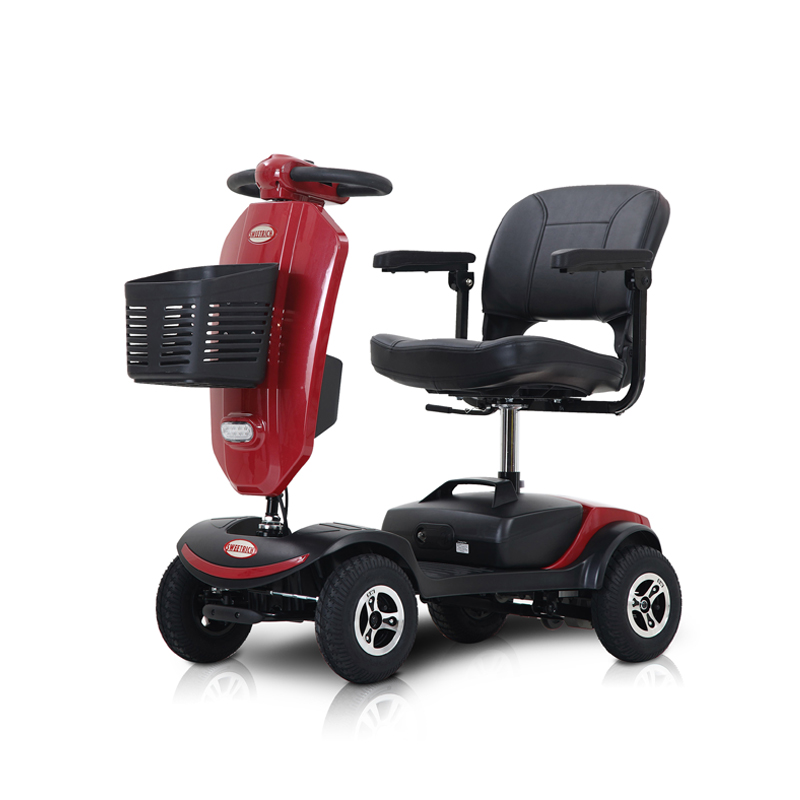
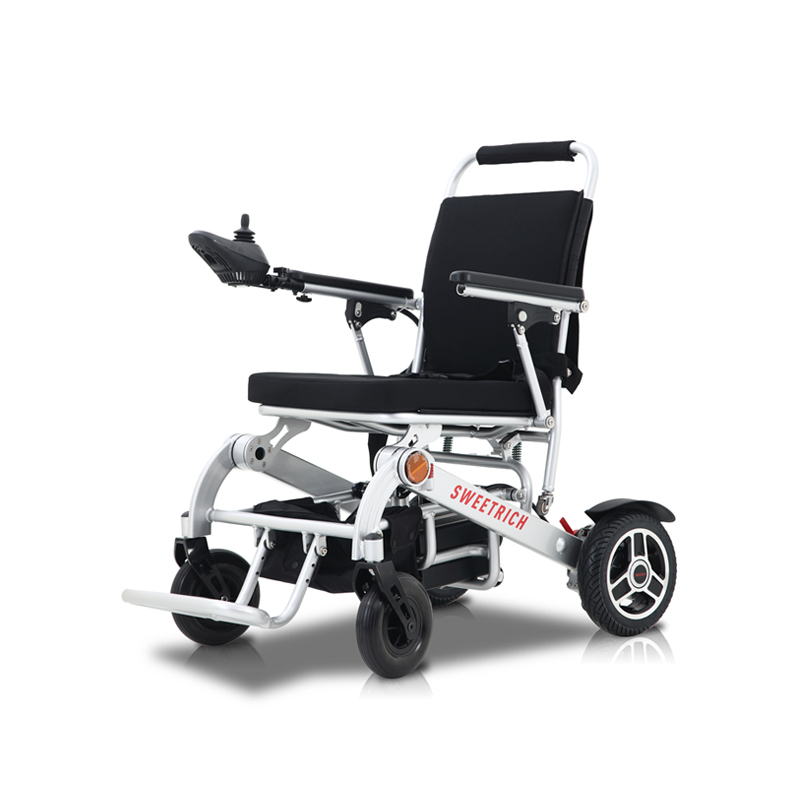
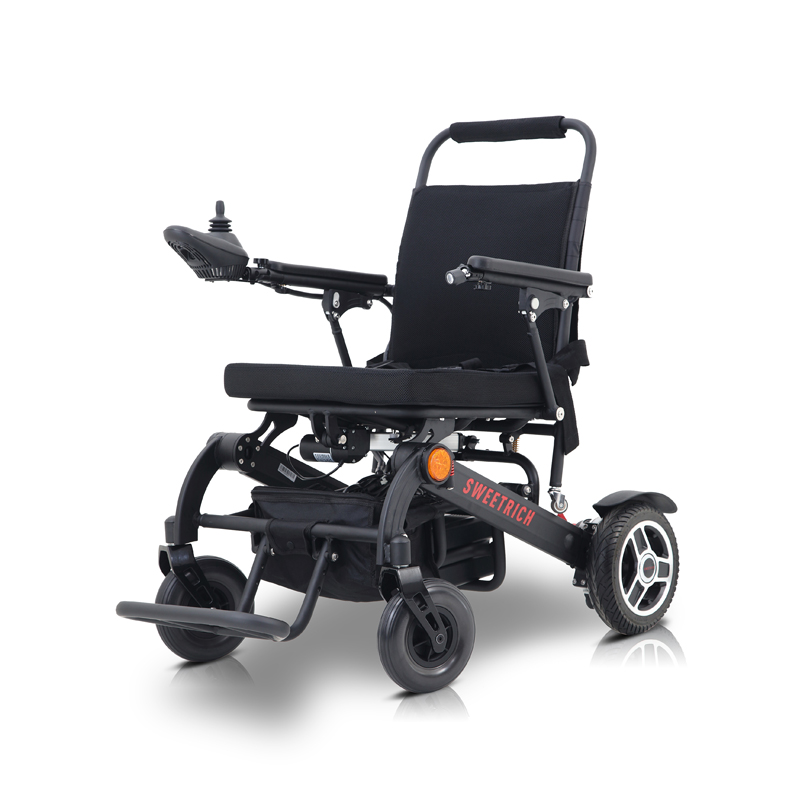
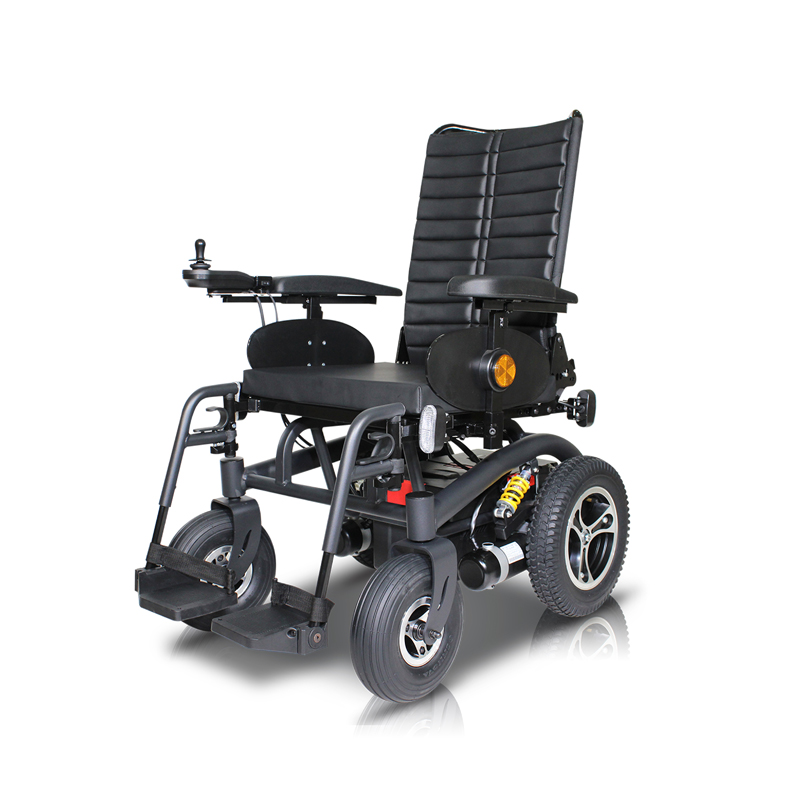
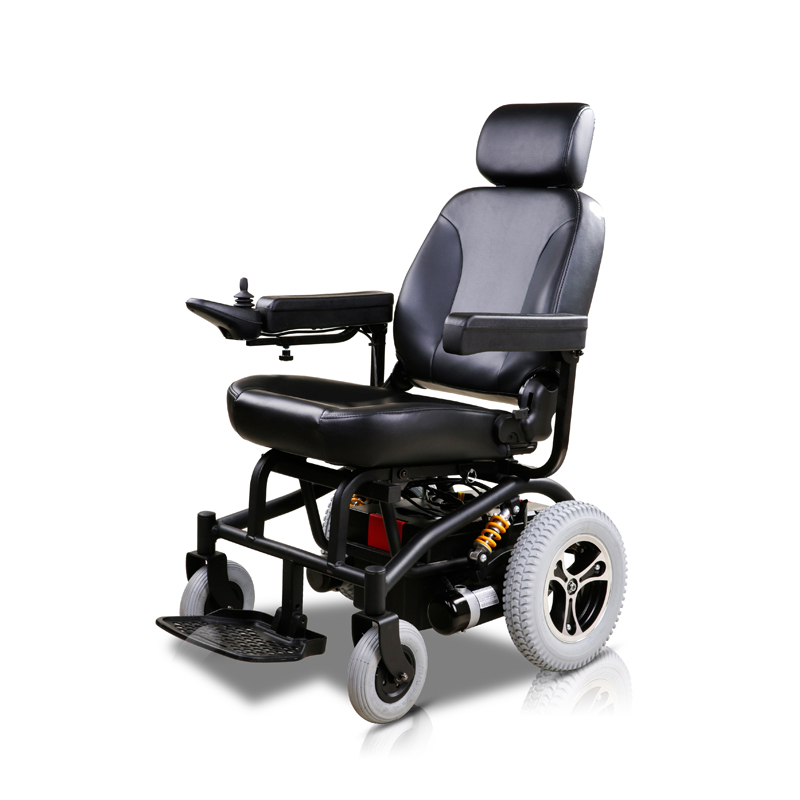
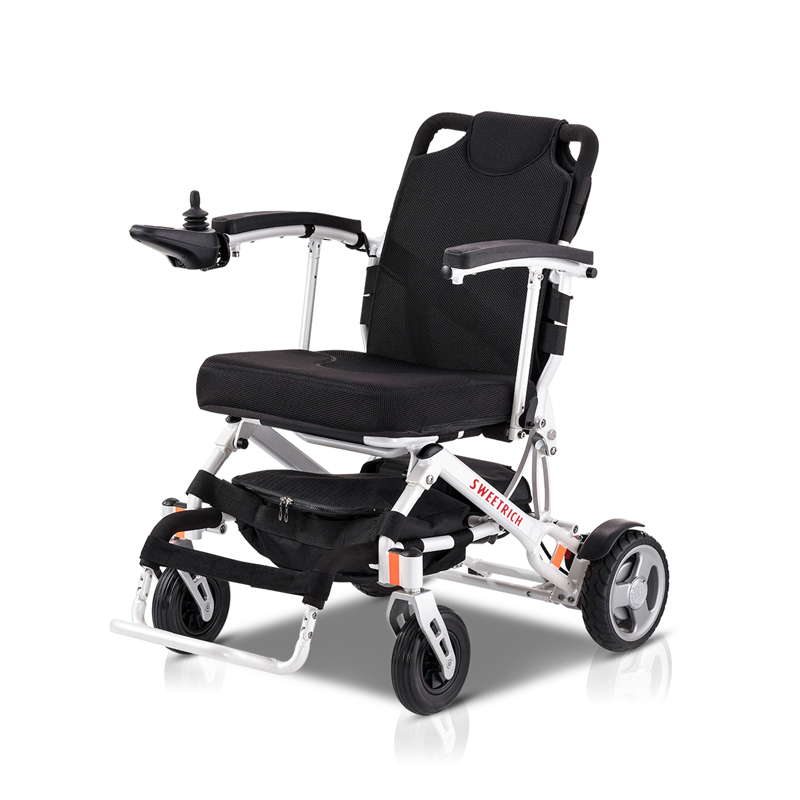
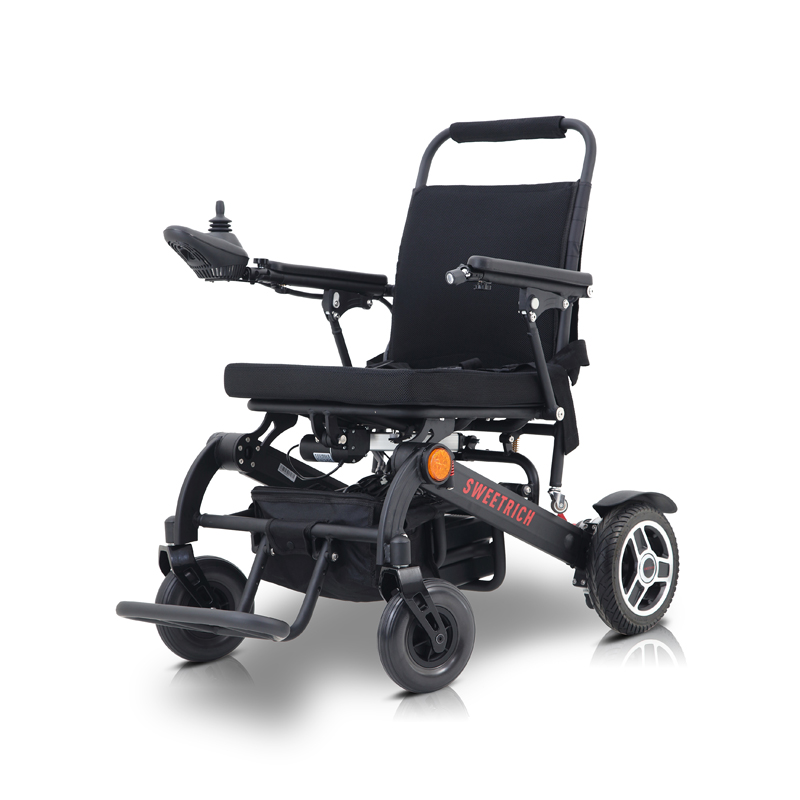
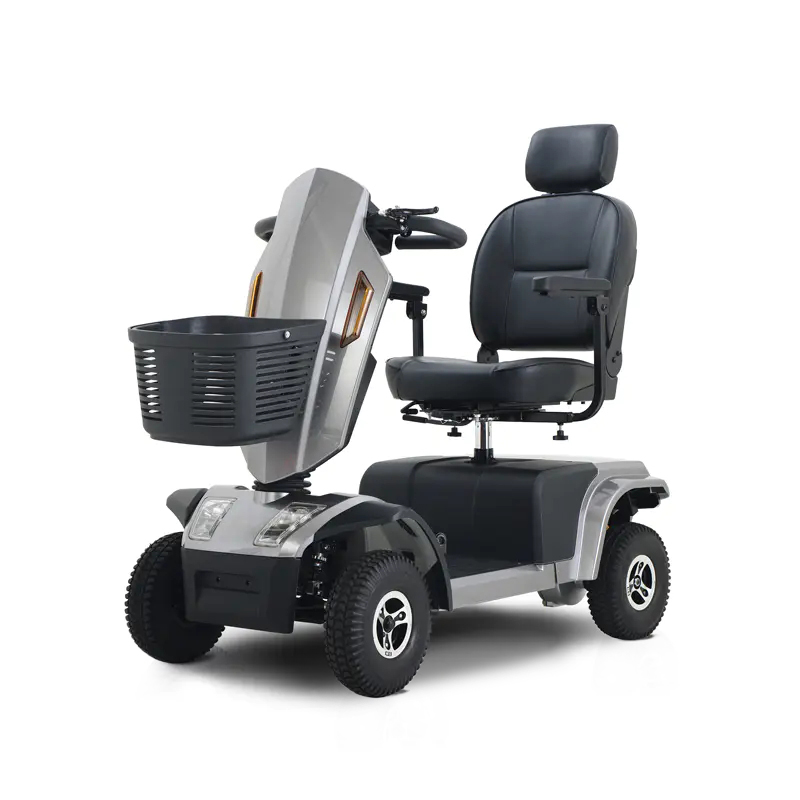
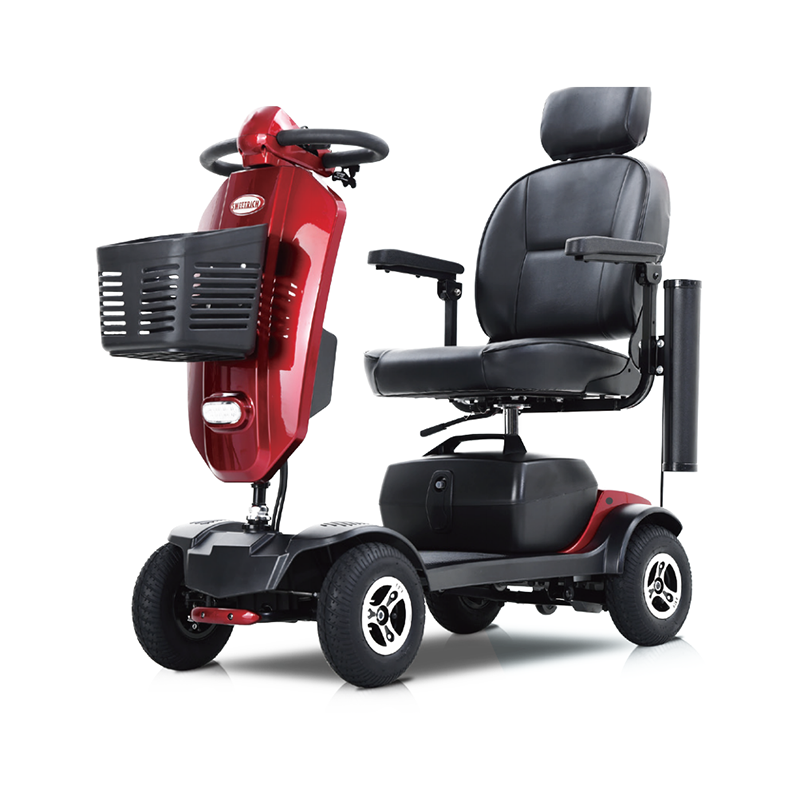
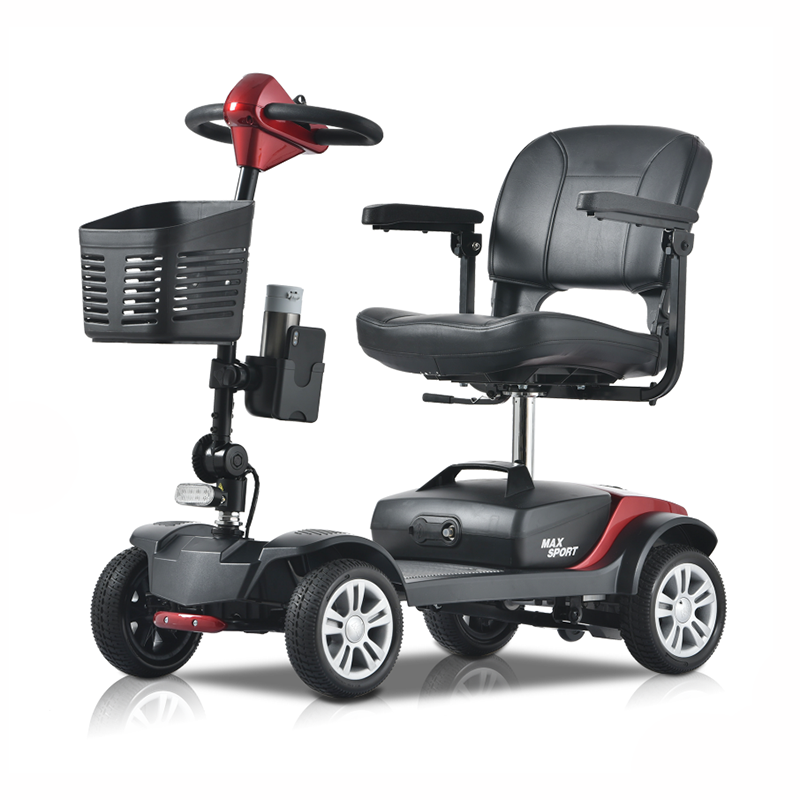
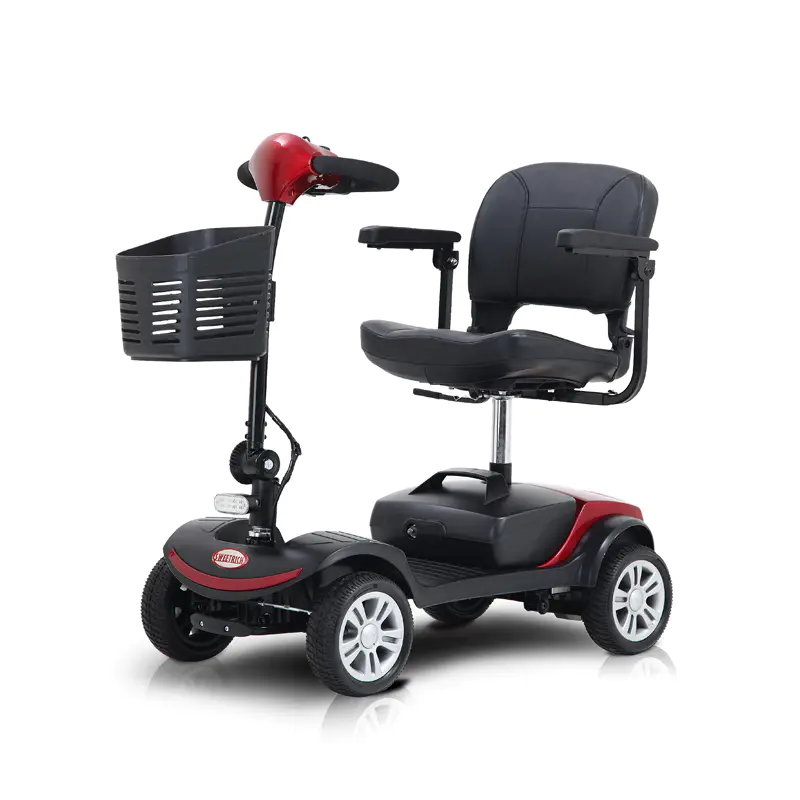
A portfolio covering several clear use cases usually beats one loaded with slow movers. Folding scooters appeal to customers who care about storage and transport. Three-wheel designs offer maneuverability in suitable settings. Four-wheel and heavy-duty models meet other stability or capacity needs. Before choosing a model, compare maximum user weight, turning radius, overall dimensions, braking system, tire type, ground clearance, intended operating environment. Don't go by category names alone. Verify each model's specs and limitations. A focused range based on actual demand is easier to stock, explain, maintain, support.
Buyers Are Comparing Total Landed Cost
A competitive quote helps only when the items being compared have equivalent specs and terms. Distributors should account for freight, insurance, import duties, inspection costs, warehousing, warranty claims, spare parts when estimating profitability.
| Purchasing factor | What to verify | Business impact |
|---|---|---|
| Unit price | Model specifications and included accessories | Establishes the base cost |
| Minimum order quantity | Whether MOQ applies per model, color, or configuration | Determines initial inventory investment |
| Freight and duties | Shipping terms and destination charges | Influences landed cost |
| Warranty | Coverage, exclusions, and claim process | Affects service expenses |
| Spare parts | Price, stock availability, and Delivery time | Supports product maintenance |
| Payment terms | Deposit, balance, and due dates | Affects cash flow |
A supplier with transparent costs and realistic delivery schedules beats one with a lower headline price but vague terms. Simple as that.
Flexible Order Quantities Help Control Inventory Risk
Demand for individual models differs by region, customer group, season, price point. Large orders reduce unit costs but tie up working capital and leave slow-moving stock. Ask whether a factory can offer a manageable initial order, mixed-model shipments, scheduled repeat orders. Clarify whether minimum quantities vary for colors, accessories, battery types, private-label packaging. New supplier or product? A trial order helps assess quality, packaging, Delivery time, communication before committing to volume.
Compliance Documents Must Match the Exact Product
Distributors need to understand requirements in each destination market. Depending on product and jurisdiction: electrical safety, battery transport, labeling, product classification, conformity assessment. Request current test reports, certificates, user manuals, product labels, shipping documents where applicable. Check that model numbers and manufacturer details match the products being purchased. A company-level quality certificate doesn't prove every scooter meets all local requirements. Importers should verify applicable rules with competent authorities or qualified compliance specialists before ordering.
OEM Options Can Support Brand Differentiation
Private-label programs help distributors build brand recognition—logo printing, custom colors, branded packaging, selected configurations. More extensive ODM arrangements may involve design changes, additional development time, fees, tooling. Before approving customization, confirm the MOQ, sample approval process, production schedule, design ownership, responsibility for changes. Also confirm customized products get the same quality checks as standard models and compatible spare parts stay available.
After-Sales Support Is Part of the Purchase Decision
Scooters need maintenance. Batteries, chargers, tires, controllers eventually need replacement. Slow technical support or unavailable parts increase downtime and damage a distributor's reputation. Evaluate the supplier's warranty procedure, response times, troubleshooting resources, replacement-parts policy. Put warranty period, exclusions, claim evidence, repair responsibilities, shipping costs in writing. Manuals and maintenance guidance in your market's languages help retailers answer customer questions consistently.
A Practical Way to Compare Suppliers
Use the same checklist for every shortlisted manufacturer: product quality, specs, total landed cost, production Delivery time, documentation, customization capability, spare-parts availability, communication. Verify key claims through samples, documents, references, independent inspection where appropriate. Treat essential safety and regulatory requirements as pass-or-fail conditions—even when a supplier scores well on price or delivery.
A disciplined purchasing process helps distributors choose products that fit their target market, protect working capital, support customers after delivery. Review sales performance, stock turnover, defect reports, warranty claims regularly. Future orders should reflect evidence from your own market—not just what looks good on a supplier's brochure.